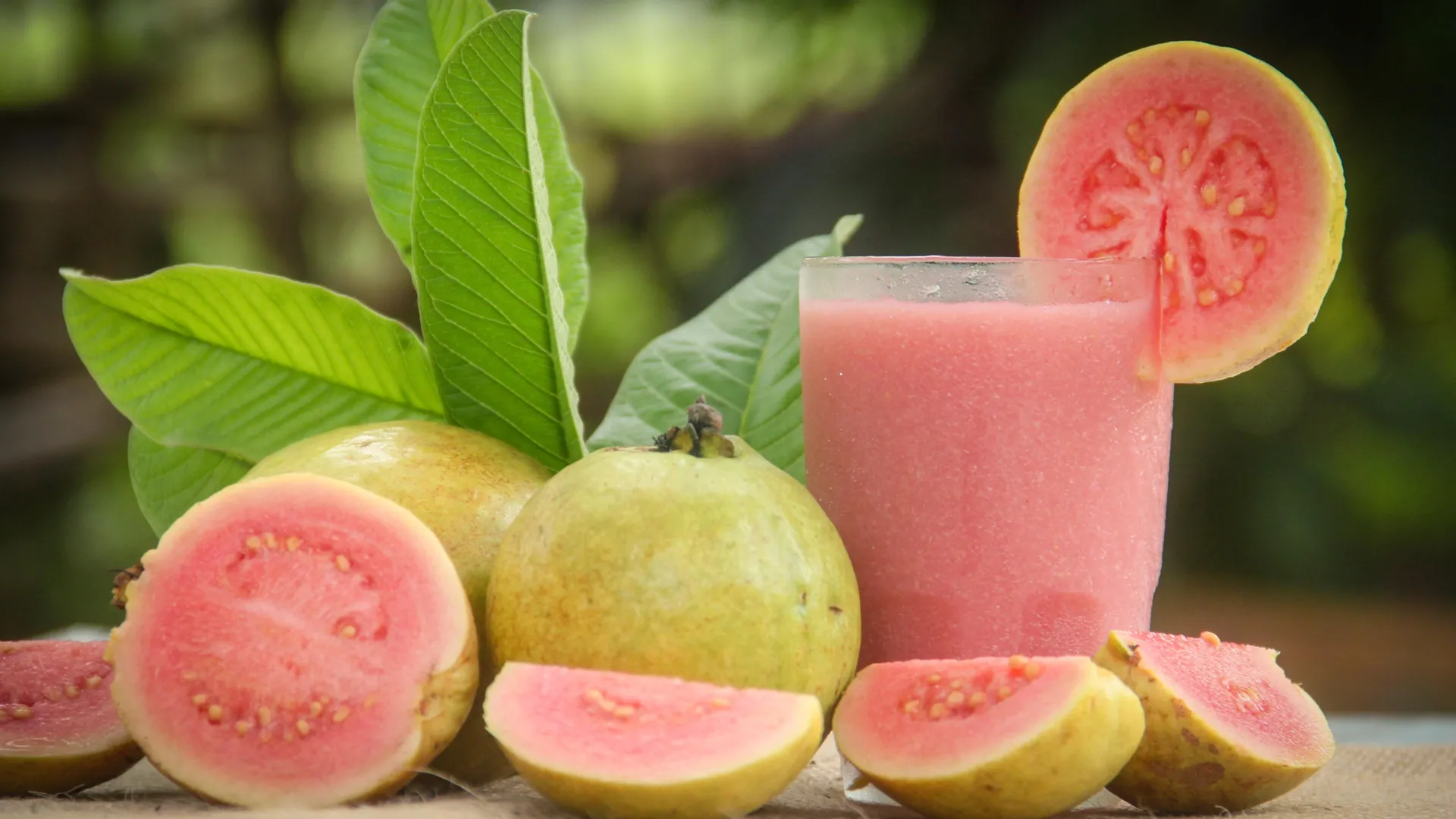
A simple, affordable, and culturally ingrained solution to one of the world’s most persistent public health challenges may be hiding in plain sight. According to a comprehensive new review published in the open-access journal BMJ Nutrition Prevention & Health, the regular consumption of guava juice could serve as a powerful, low-cost intervention to reduce the risk of iron-deficiency anemia among women and teenage girls in low- and middle-income countries.
By pairing this nutrient-dense tropical fruit with conventional iron supplementation, researchers have observed significant improvements in hemoglobin levels, suggesting a potential paradigm shift in how we approach nutritional fortification in regions where iron deficiency is widespread.
The Global Burden of Anemia
Iron-deficiency anemia remains a silent crisis, particularly in developing nations. It disproportionately affects pregnant women and adolescent girls, leading to a cascade of debilitating health consequences. Beyond the immediate symptoms of persistent fatigue and physical weakness, the condition is linked to poor cognitive performance, impaired concentration, pregnancy-related complications, and, in severe instances, an increased risk of maternal mortality and morbidity.
For decades, public health initiatives have relied heavily on iron supplementation programs. However, these programs often face hurdles, including supply chain issues, poor adherence due to side effects, and insufficient absorption rates. The emergence of guava juice as a potential "booster" represents a pivot toward dietary diversification—a strategy championed by the United Nations’ Decade of Action on Nutrition (2016–2025).
Understanding the "Guava Effect"
The efficacy of guava juice is rooted in its extraordinary nutritional profile. Guava is a powerhouse of Vitamin C, containing up to four times the amount found in oranges per 100 grams. This is critical because Vitamin C is a well-documented facilitator of non-heme iron absorption. When consumed alongside plant-based iron, Vitamin C creates an acidic environment in the digestive tract, transforming iron into a form that the body can assimilate much more efficiently.
Beyond its high concentration of ascorbic acid, guava is rich in Vitamin A, folate, dietary fiber, and trace amounts of iron, making it a "whole-food" supplement rather than a synthetic one. For many communities, this is not a foreign supplement, but a locally grown, culturally accepted, and highly affordable fruit.
A Chronological Look at the Evidence
While individual studies in Indonesia have hinted at the benefits of guava juice for years, these findings were previously fragmented. To create a cohesive picture, researchers conducted an extensive review of English-language studies published since the year 2000.
The Methodology
The research team identified 17 eligible studies for the review. The breakdown of this data highlights the scope of the investigation:
- Study Composition: The cohort included 15 quasi-experimental studies and two randomized controlled trials.
- Target Populations: Six of the studies focused exclusively on teenage girls, while 11 were centered on the needs of pregnant women.
- Integrated Data: When the researchers synthesized data from 12 of these studies—representing 235 participants—the results were striking. The average increase in hemoglobin levels among participants was 1.71 g/dl.
Stratified Results
When broken down by demographic, the benefits remained consistent:
- Teenage Girls: Observed an average hemoglobin increase of 1.52 g/dl.
- Pregnant Women: Experienced a slightly higher average increase of 1.84 g/dl.
These numbers are not merely statistical curiosities; they represent a functional change in health status. According to the researchers, an increase of 1 to 2 g/dl is often sufficient to transition an individual from a state of mild or moderate anemia to a non-anemic category, directly impacting cognitive function and daily productivity.
Direct Comparisons: The Power of Combination
Perhaps the most compelling evidence comes from the five studies that directly compared iron-only supplementation against a combination of iron supplements plus guava juice. With a sample size of 102 participants in each group, the results provided a clear side-by-side comparison.
The combination group demonstrated hemoglobin levels that were, on average, 1.29 g/dl higher than those who relied solely on iron supplements. This suggests that the guava juice is not just a supplement but a catalyst that maximizes the utility of existing iron treatments. In regions where iron supplies are limited or expensive, the ability to "do more with less" by improving absorption rates is a significant economic and health advantage.
Official Responses and Expert Analysis
Professor Sumantra Ray, the chief scientist and executive director of the NNEdPro Global Institute for Food, Nutrition and Health—which co-owns BMJ Nutrition Prevention & Health—has lauded the study for validating the biological mechanisms at play.
"This study builds on the established role of dietary sources high in vitamin C to enhance iron absorption and improve the effectiveness of iron supplementation," Professor Ray noted. However, he was quick to temper enthusiasm with scientific rigor. While the results are promising, he emphasized that we are not yet at a stage where we can replace standard clinical protocols with fruit juice.
"Quasi-experimental research, the wide variation in study design, small sample sizes, and limited length of follow-up mean that caution is required when interpreting the findings," Ray added. "Without further rigorous research, defining the best therapeutic dose and period of use, guava juice can’t be recommended as an alternative to conventional treatment in those at risk of iron deficiency anemia."
Limitations and Future Considerations
The researchers themselves were transparent about the limitations of the current data. The primary concerns include:
- Geographic Concentration: All 17 studies reviewed were conducted within Indonesia, raising questions about whether these findings are universally applicable to other global climates and dietary patterns.
- Study Heterogeneity: There were major discrepancies in study design, the specific variety of guava used, the dosage administered, and the length of the interventions.
- Lack of Longitudinal Data: The studies did not track participants over long periods, leaving a gap in our knowledge regarding the durability of these hemoglobin gains once the intervention ends.
- Clinical Rigor: The reliance on quasi-experimental studies rather than large-scale, double-blind randomized clinical trials limits the strength of the clinical recommendation.
Implications for Public Health Policy
Despite these limitations, the potential for integration into existing public health frameworks is immense. The researchers suggest that integrating guava juice into school-based nutrition programs, antenatal care packages, and community health initiatives could be a low-risk, high-reward strategy.
A Sustainable Model
The argument for this approach is bolstered by three pillars:
- Cultural Acceptance: Guava is already a dietary staple in many parts of Asia and other tropical regions, reducing the "novelty resistance" often associated with new nutritional supplements.
- Economic Viability: By utilizing locally sourced produce, countries can reduce their reliance on imported, expensive synthetic supplements and strengthen local agricultural supply chains.
- Alignment with Global Goals: The strategy aligns perfectly with the United Nations’ emphasis on dietary diversification.
Next Steps for Policymakers
To move this from a research hypothesis to a public health reality, the following steps are necessary:
- Standardization: Developing standardized formulations for "therapeutic" guava juice doses to ensure consistency.
- Supply Chain Strengthening: Ensuring that local markets can meet the demand for high-quality, fresh produce for nutrition programs.
- Further Rigorous Trials: Conducting larger, multi-center, randomized controlled trials that account for diverse ethnic and geographic populations to confirm the findings.
Conclusion: A Holistic Path Forward
The findings published in BMJ Nutrition Prevention & Health serve as an optimistic reminder that the most effective solutions to global health problems do not always require high-tech, high-cost innovations. Sometimes, the answer lies in understanding the synergy between our biology and the natural world.
While guava juice is not a "magic bullet" that eliminates the need for medical supervision or conventional treatment, it stands as a potent, affordable, and sustainable tool. As the global health community looks toward 2025 and beyond, incorporating such dietary-based approaches into the standard of care could be the key to ensuring that millions of women and girls reach their full potential, free from the constraints of anemia.