






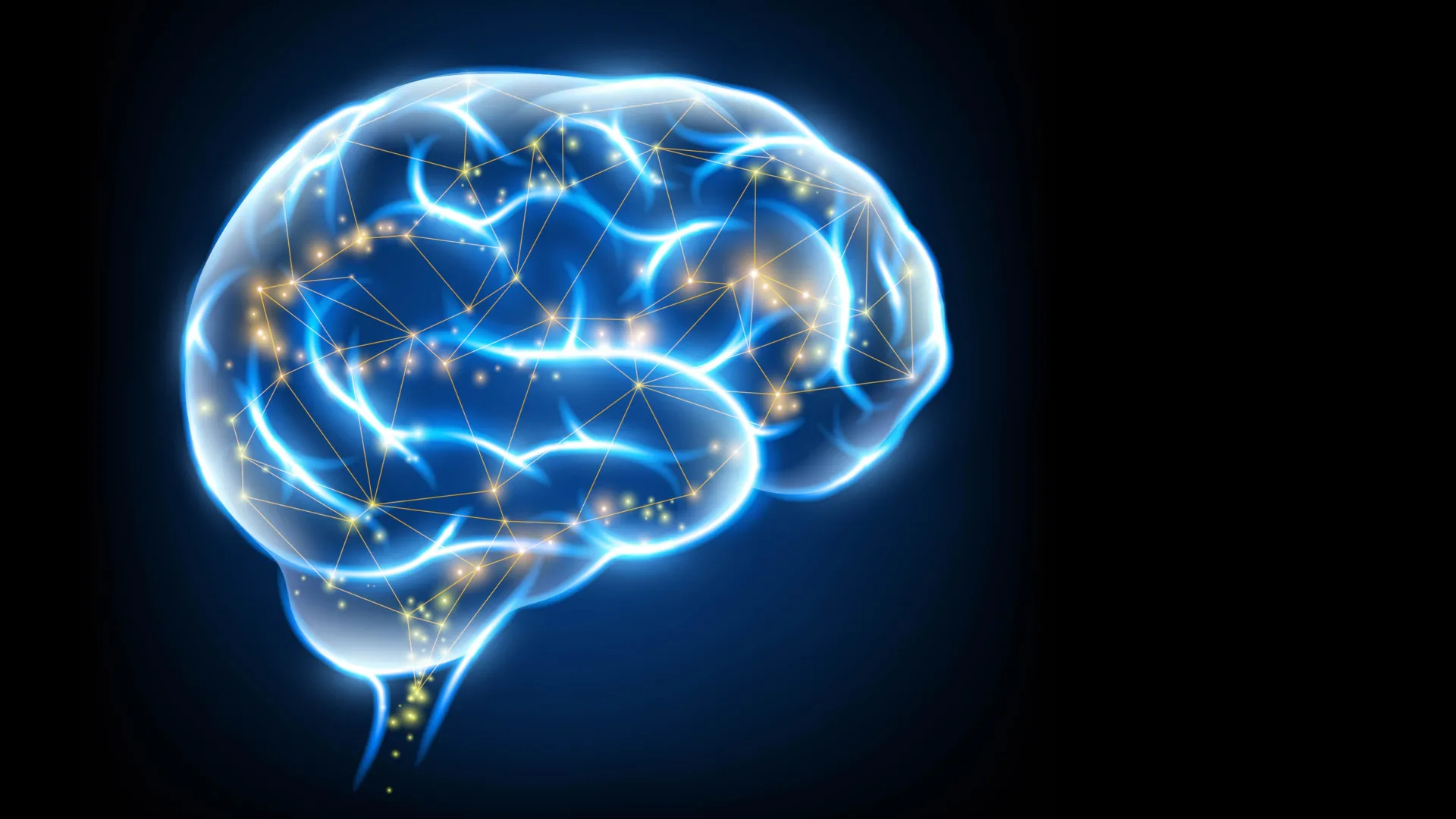
Neurodegenerative diseases—including Alzheimer’s, Parkinson’s, and Huntington’s—represent one of the most daunting challenges in modern medicine. These conditions are characterized by the progressive, relentless destruction of neurons, the specialized cells responsible for transmitting electrochemical messages throughout the nervous system. As these neural networks dissolve, patients suffer from profound cognitive decline, memory loss, and severe motor impairment, eventually necessitating lifelong, around-the-clock care.
For decades, the medical community has focused primarily on symptom management. While recent breakthroughs like the FDA-approved monoclonal antibodies lecanemab and donanemab can clear amyloid plaques and modestly slow the progression of early Alzheimer’s, they remain fundamentally limited: they cannot resurrect dead neurons or reconstruct damaged brain architecture.
However, a groundbreaking study published on July 3, 2025, in ACS Chemical Neuroscience has shifted the paradigm. Researchers at the Shibaura Institute of Technology (SIT) in Japan have developed a novel class of vitamin K analogues designed to stimulate the brain’s inherent regenerative capacity, offering a potential pathway to replenish lost neurons and restore lost cognitive function.
The Evolutionary Shift: From Blood Clotting to Brain Repair
Vitamin K has long been relegated to the nutritional sidelines, primarily recognized for its vital role in blood coagulation and skeletal health. In recent years, however, a burgeoning body of research has unveiled a more sophisticated role for this fat-soluble vitamin: it serves as a critical signaling molecule in the brain, facilitating "neuronal differentiation"—the process by which immature neural progenitor cells mature into fully functional, communication-ready neurons.
While natural Vitamin K (specifically the form known as menaquinone-4, or MK-4) possesses these neuroprotective properties, its potency is insufficient for therapeutic intervention in complex neurodegenerative diseases. Led by Associate Professor Yoshihisa Hirota and Professor Yoshitomo Suhara, the SIT research team sought to bridge this gap by bioengineering "super-potency" vitamin K analogues.
"The newly synthesized vitamin K analogues demonstrated approximately threefold greater potency in inducing the differentiation of neural progenitor cells into neurons compared to natural vitamin K," Dr. Hirota stated. "Since neuronal loss is a hallmark of neurodegenerative diseases, these analogues may serve as regenerative agents that help replenish lost neurons and restore brain function."
The Engineering of "Novel VK"
To engineer a compound capable of crossing the blood-brain barrier and exerting profound effects on neurogenesis, the SIT team synthesized 12 hybrid vitamin K homologs. The strategy involved molecular hybridization: combining the structural backbone of vitamin K with other bioactive moieties known to influence cell development.
Molecular Architecture and Synergy
Some of the experimental compounds were tethered to retinoic acid, a metabolite of Vitamin A recognized for its role in embryonic brain development. By linking these two distinct pathways—Vitamin K acting via the steroid and xenobiotic receptor (SXR) and retinoic acid acting via the retinoic acid receptor (RAR)—the researchers created a dual-action molecule that maintained the biological activity of both precursors.
Through rigorous testing on mouse neural progenitor cells, the team measured the expression of Microtubule-Associated Protein 2 (Map2), a primary biomarker for healthy neuronal growth. One standout molecule, dubbed "Novel VK," emerged as the clear frontrunner. By incorporating a methyl ester side chain into the retinoic acid-linked structure, the team achieved a threefold increase in differentiation activity compared to natural MK-4.
Uncovering the Biological Mechanism: The mGluR1 Pathway
A critical component of the research involved identifying exactly how these molecules trigger neuronal growth. By comparing gene expression profiles in stem cells treated with natural MK-4 against those treated with inhibitory compounds, the team isolated a key signaling conduit: the metabotropic glutamate receptor 1 (mGluR1).
The discovery is significant because mGluR1 is intrinsically tied to synaptic transmission—the "handshake" between neurons. Mice that lack this receptor exhibit severe motor and cognitive deficits that mirror the clinical presentation of human neurodegenerative disease.
Structural simulations and molecular docking studies confirmed that the "Novel VK" compound possesses a higher binding affinity for mGluR1 than naturally occurring vitamin K. This suggests that the synthetic analogue does not merely mimic natural processes but optimizes them, potentially resetting the cellular environment to favor growth over decay.
Pharmacokinetics and the Blood-Brain Barrier
One of the greatest obstacles in neuro-pharmacology is the blood-brain barrier (BBB), a selective membrane that prevents most drugs from entering the brain. In laboratory mouse models, the SIT team found that "Novel VK" exhibited a highly stable pharmacokinetic profile.
The researchers observed that the compound not only crossed the BBB effectively but also converted into bioactive MK-4 inside the brain cells at a higher efficiency than natural vitamin K supplements. This "Trojan horse" mechanism—where a stable, synthetic analogue enters the brain and converts into an active therapeutic agent—represents a sophisticated leap forward in drug delivery for neurological disorders.
Implications: A New Horizon for Neurodegeneration
The implications of this research extend far beyond the laboratory bench. If these findings can be successfully translated to human clinical trials, they would represent the first step toward true "brain repair" rather than simple damage control.
The Shift in Therapeutic Goals
- Current State: Anti-amyloid therapies target disease biology but do not reverse damage.
- Future Potential: Regenerative medicine aims to replace the "missing pieces" of the brain, theoretically recovering lost memories and motor functions.
Dr. Hirota emphasized the societal impact of this discovery: "A vitamin K-derived drug that slows the progression of Alzheimer’s disease or improves its symptoms could not only improve the quality of life for patients and their families but also significantly reduce the growing societal burden of healthcare expenditures and long-term caregiving."
As the global population ages, the prevalence of Alzheimer’s and Parkinson’s is projected to skyrocket. The economic burden of these diseases, currently measured in the hundreds of billions of dollars annually, is driven largely by the requirement for 24-hour skilled nursing. A therapeutic that halts or reverses this decline would fundamentally alter the landscape of elderly care.
Chronology and Research Context
The development of "Novel VK" is the result of years of interdisciplinary collaboration at the Shibaura Institute of Technology.
- Pre-2020: Foundational studies establish the link between Vitamin K metabolism and neuronal health.
- 2020–2023: Initial synthesis of Vitamin K hybrids; early identification of the mGluR1 pathway in neural stem cells.
- 2024: Optimization of the "Novel VK" structure and validation of its ability to cross the blood-brain barrier in mouse models.
- July 3, 2025: Formal publication of the findings in ACS Chemical Neuroscience, signaling a shift in focus toward regenerative drug discovery.
Official Perspectives and Future Challenges
While the results are undeniably promising, the researchers are careful to temper expectations. The study is currently confined to in vitro (cell) and in vivo (mouse) environments. Human clinical trials are a distant, albeit essential, objective. The transition from a promising molecule to an FDA-approved medication involves years of safety profiling, toxicology studies, and rigorous phase I, II, and III clinical trials.
The project has been sustained by a broad coalition of Japanese research foundations, including the Mishima Kaiun Memorial Foundation, the Suzuken Memorial Foundation, and the Japan Society for the Promotion of Science (JSPS). This robust financial backing underscores the high level of confidence the scientific community has in the potential of Vitamin K-derived neurogenic compounds.
The Next Steps
The research team is now looking toward:
- Long-term Safety Studies: Assessing the impact of chronic administration of Novel VK in animal models.
- Targeted Delivery: Refining the delivery mechanism to ensure the compound reaches specific regions of the brain most affected by Alzheimer’s, such as the hippocampus.
- Combination Therapies: Investigating whether Novel VK can work in tandem with existing anti-amyloid treatments to provide a comprehensive, multi-modal approach to dementia.
In conclusion, the work of Dr. Hirota and Dr. Suhara provides more than just a new chemical compound; it provides a new conceptual framework. By moving away from the "symptom management" model and toward a "regenerative signaling" model, the scientific community may finally have a target—the mGluR1 pathway—that could one day turn the tide against the most devastating diseases of the mind. As research moves from the lab toward the clinic, the world watches with cautious optimism, hoping that the vitamin once known only for blood and bones may hold the key to the future of the human brain.