The landscape of respiratory therapy is built upon the foundational work of visionaries who pushed the boundaries of clinical practice, advocacy, and professional standardization. At the pinnacle of this recognition stands the Jimmy A. Young Award, the most prestigious honor bestowed by the American Association for Respiratory Care (AARC). Named in memory of a former AARC president whose life was defined by an unwavering commitment to the profession, this award serves as a lifetime achievement hallmark for those who have left an indelible mark on the field.
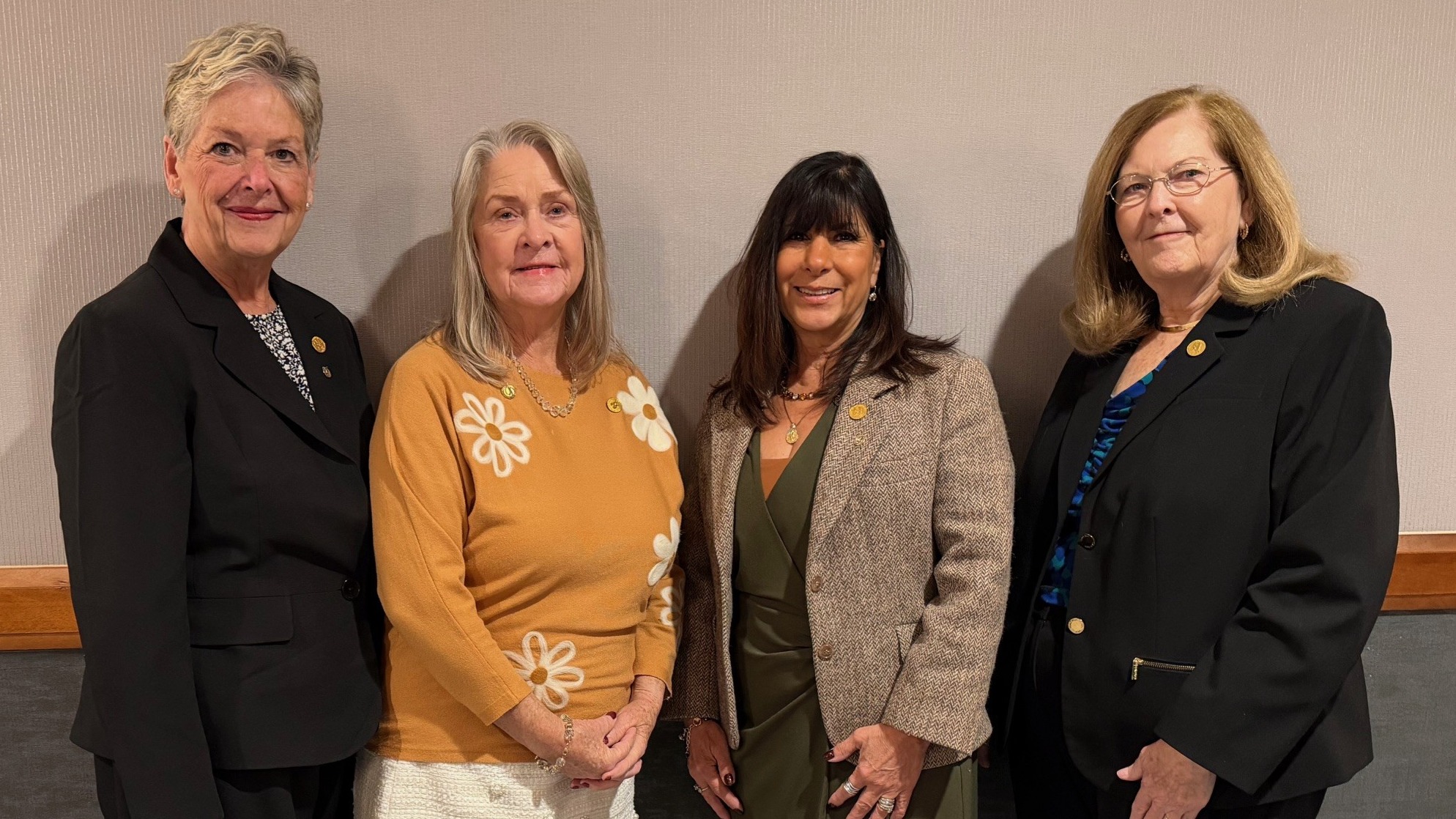
In a recent, unprecedented retrospective, Lisa Weisenberger, AARC Director of Content and Communications, facilitated a dialogue with four of the five women who have received this distinguished accolade: Dianne Lewis, MS, RRT, FAARC (2025); Trudy Watson, BS, RRT, FAARC (2018); Margaret Traband, MEd, RRT, FAARC (2011); and Teresa Volsko, MBA, MHHS, LSSBB, RRT, FAARC (2020). The discussion served as both a historical record and a masterclass in leadership, tracing the evolution of respiratory care through the eyes of those who helped build it.
The Legacy of Service: A Foundation of Clinical Excellence
The Jimmy A. Young Award is not merely a recognition of tenure; it is a testament to sustained, high-impact contributions. For the recipients, the path to such recognition was paved with decades of local advocacy, committee service, and national standard-setting.
Dianne Lewis, the most recent recipient (2025), reflects on her journey as a career-long commitment to the institutional framework of the profession. Her work within the House of Delegates and, most notably, the Clinical Practice Guidelines Steering Committee, fundamentally changed how respiratory care is delivered. "My group wrote and published the first clinical practice guideline for the association," Lewis shared. This monumental task provided a standardized blueprint for patient care, ensuring that regardless of geography or facility type, patients receive evidence-based, consistent treatment.
Margaret Traband, who entered the AARC in 1972, reminds the modern workforce that the most significant advancements often begin in the trenches of local state societies. "You don’t do it looking for what else you need to check off a list to get an award," Traband noted. "You’re just moving ahead where you think you can do the most good." This philosophy underscores a recurring theme among the recipients: the award is a byproduct of service, not the objective of it.
Chronology: A History of Breaking Barriers
To understand the weight of these achievements, one must look at the historical context of the respiratory therapy profession. While women currently represent a significant, if not majority, portion of the workforce, the executive suites and national leadership boards were long dominated by their male counterparts.
The historical trajectory of the profession can be viewed in three distinct phases:
The Era of Foundations (1970s–1980s)
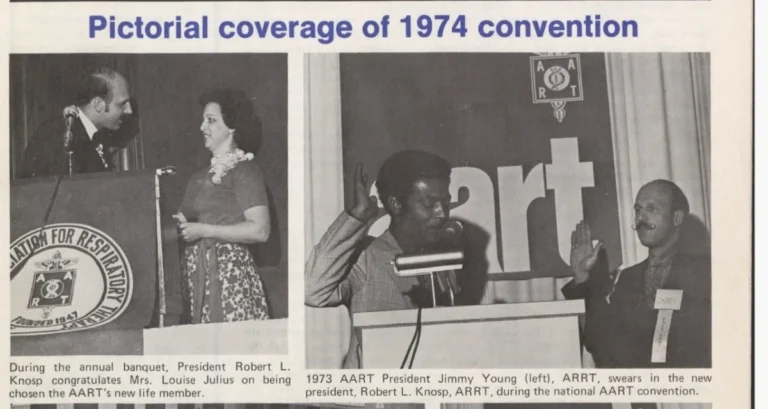
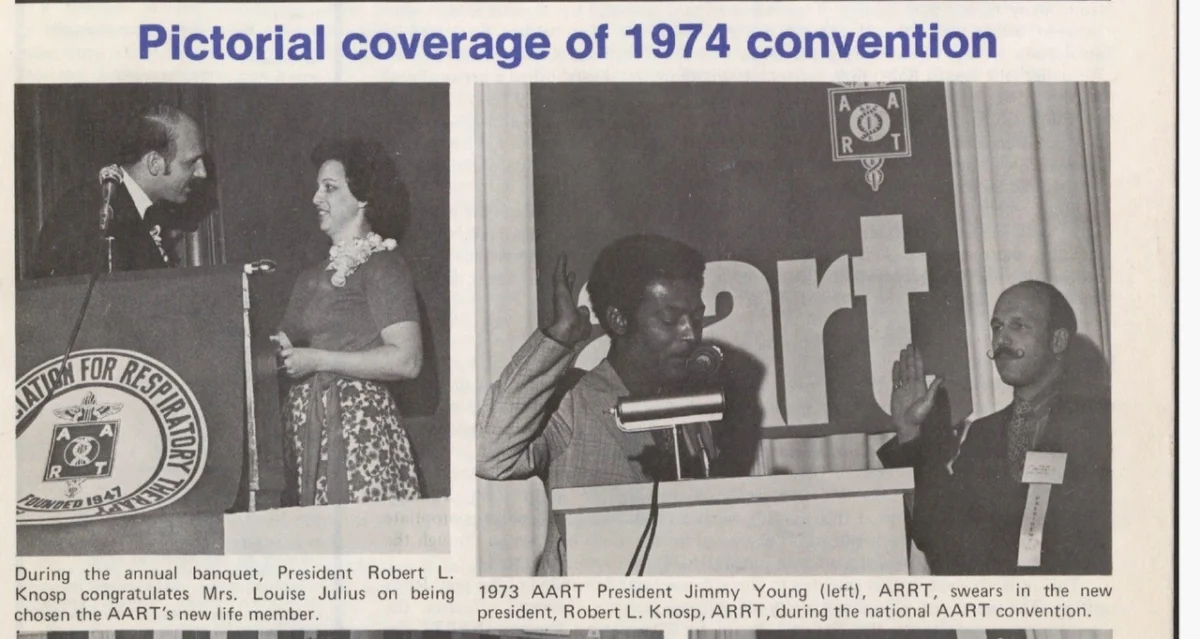
During this period, respiratory therapy was emerging from its infancy as an ancillary service to a recognized clinical specialty. Pioneers like Louise Julius (the first woman to receive the award in 1988, alongside her husband, John) began navigating a field where women were frequently relegated to bedside roles with little influence on policy or education.
The Era of Integration (1990s–2010s)
As Margaret Traband rose to prominence, the focus shifted toward professionalizing the field. This era saw the development of more rigorous educational requirements and the establishment of "Journal Clubs," where therapists moved beyond task-oriented care to engage with clinical research and peer-reviewed literature.
The Era of Transformational Leadership (2020–Present)
Recipients like Teresa Volsko and Dianne Lewis represent the current era, where mentorship has replaced the "competitive scarcity" model of the past. Today’s leaders are tasked with navigating the complexities of post-pandemic medicine, technological integration, and the urgent need to recruit the next generation of clinicians.
Supporting Data: The Changing Face of Leadership
The evolution of the respiratory therapy field is best captured through the shift in leadership demographics. Teresa Volsko, whose career spans the transition from the mid-1970s to the modern era, provides a sobering look at how the culture has shifted.
"In 1979, if you were invited to the table, you didn’t dare bring another woman up with you because there was only one or two seats," Volsko explained. This scarcity-driven culture, while historically common in high-stakes medical fields, created a bottleneck for female leadership.
Today, that landscape has been completely dismantled. The focus is no longer on securing a singular seat but on creating a larger table. Modern mentorship programs within the AARC are designed specifically to "lift as we climb," ensuring that clinical expertise is coupled with political and organizational acumen. This shift has correlated with a rise in the number of female department heads, clinical directors, and national policy influencers.
Official Responses and Strategic Advice for the Future
The dialogue concluded with a series of strategic directives for new respiratory therapists entering the field today. These lessons, synthesized from the collective wisdom of the recipients, offer a roadmap for career longevity.
1. The Power of Professional Networking
Trudy Watson emphasizes that professional credibility is built both inside and outside the hospital walls. "Get involved so your name is known and you are trusted within your own organization," Watson advised. She highlights the necessity of engaging with broader health entities, such as the American Lung Association, to expand one’s influence beyond the clinical unit.
2. The Mandate of Over-Preparation
In an era of instant information, the value of deep, foundational knowledge remains unmatched. Traband’s experience in the 1970s "Journal Clubs" provides a timeless lesson: clinical excellence requires a commitment to constant study. "Being over-prepared is status quo for most of us," Traband noted. "You have to be well-versed, so you don’t come off half-prepared."
3. Leading from the Bedside
Volsko offers a vital corrective to those who believe leadership requires a specific title or a corner office. "Don’t let the fact that you have the title of a clinical respiratory therapist stop you from doing great things," she urged. By treating the bedside as a site of leadership, clinicians can drive quality improvements and patient safety initiatives that ripple throughout the entire healthcare system.
Implications: Addressing the Future of the Profession
The profession of respiratory therapy stands at a critical juncture. The demand for qualified RTs is projected to grow significantly over the next decade, yet the industry faces a persistent bottleneck in educational capacity. As Dianne Lewis noted, the job market is robust, but as Trudy Watson countered, the real challenge lies in "finding the students to fill the seats in the classroom."
Furthermore, the psychological toll of the post-pandemic era has left many veteran and novice therapists grappling with burnout. The recipients addressed this with a call for renewed focus on the purpose of the profession. Traband’s advice serves as a profound closing thought for those feeling the strain:
"The further away you get from the bedside, the less positive reinforcement happens. Take the time to reflect at the end of the day. Know that you’ve alleviated breathlessness and calmed patients. Steep in that moment."
The Jimmy A. Young Award is far more than a recognition of past success; it is a standard-bearer for the future. Through the examples of Lewis, Watson, Traband, and Volsko, the AARC continues to emphasize that the future of respiratory care relies on a delicate, powerful blend: the precision of clinical excellence, the generosity of tireless mentorship, and the audacity to command a seat at the table of healthcare policy. As these leaders have proven, the profession’s greatest strength lies in its ability to adapt, to mentor, and to consistently put the patient’s breath at the center of the mission.