Obsessive-Compulsive Disorder (OCD) remains one of the most misunderstood and stigmatized mental health conditions in modern psychiatry. Often trivialized in popular culture as a personality quirk related to organization or cleanliness, OCD is, in reality, a debilitating condition characterized by persistent, intrusive thoughts and the repetitive behaviors that follow. For the over 3 million Americans living with this disorder, OCD is not a choice or a preference—it is a significant interference in daily life that requires professional medical intervention.
Main Facts: Defining the Landscape of OCD
At its core, OCD is defined by a cycle of obsessions and compulsions. Obsessions are recurrent, persistent, and unwanted thoughts, urges, or images that are intrusive and cause marked anxiety or distress. Compulsions are repetitive physical or mental actions that an individual feels driven to perform in response to an obsession or according to rules that must be applied rigidly.
The clinical hallmark of OCD is the "ego-dystonic" nature of the obsessions. This term describes the internal conflict experienced by the patient: they recognize the thoughts as products of their own mind, yet they feel them to be entirely outside their control. These thoughts are often contradictory to the person’s values or desires, leading to profound shame and isolation.
To meet the diagnostic criteria for OCD, these symptoms must consume a significant portion of the individual’s day—typically at least one hour—and cause significant impairment in social, occupational, or other important areas of functioning. It is not merely being a "neat freak"; it is a state of being trapped in a loop of anxiety that the brain cannot break on its own.
Chronology: The Lifecycle of the Disorder
The onset of OCD is frequently observed in childhood and adolescence, though it can manifest at any age. Clinical data indicates that approximately one-third of adults who suffer from the condition exhibited symptoms during their youth.
- Childhood and Adolescence: Symptoms often emerge in the pre-teen or teenage years. Early detection is critical, as untreated symptoms can disrupt academic performance and social development.
- Late Adolescence (Age 19): A common peak for clinical diagnosis occurs around the age of 19. By this stage, the chronic nature of the disorder often becomes more apparent as the responsibilities of early adulthood collide with the persistent need for ritualistic behavior.
- Adulthood: Throughout the adult lifespan, the severity of OCD is not static. It is highly reactive to external stressors. Periods of high stress—such as career changes, loss, or relationship strain—often exacerbate symptoms, while periods of relative stability may see a temporary reduction in the intensity of compulsions.
Supporting Data: Prevalence and Demographics
Research into OCD has debunked several myths regarding its demographic distribution. Unlike many other anxiety-related disorders that show a distinct gender bias, OCD affects men and women with roughly equal frequency.

- Prevalence: More than 3 million Americans are diagnosed with OCD annually.
- The Stress Correlation: Clinical studies show that the "anxiety-compulsion" loop is highly sensitive to external pressure. When a patient is under extreme stress, the threshold for triggering a ritual drops significantly.
- The "One-Hour" Metric: A standard clinical benchmark for diagnosis is that the obsessions and compulsions must occupy at least one hour of the patient’s day to be considered clinically significant, distinguishing the disorder from common "worrying" or routine-oriented behaviors.
Clinical Perspectives: Expert Analysis on Etiology
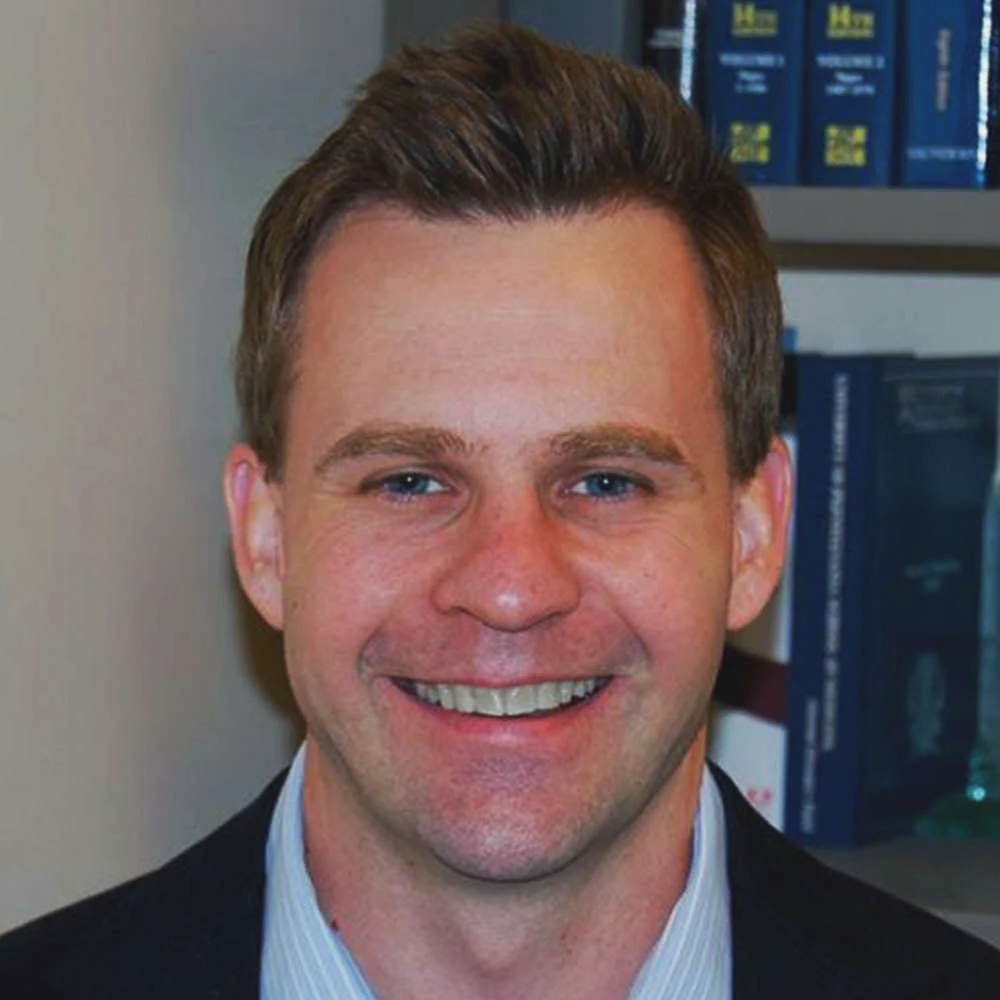
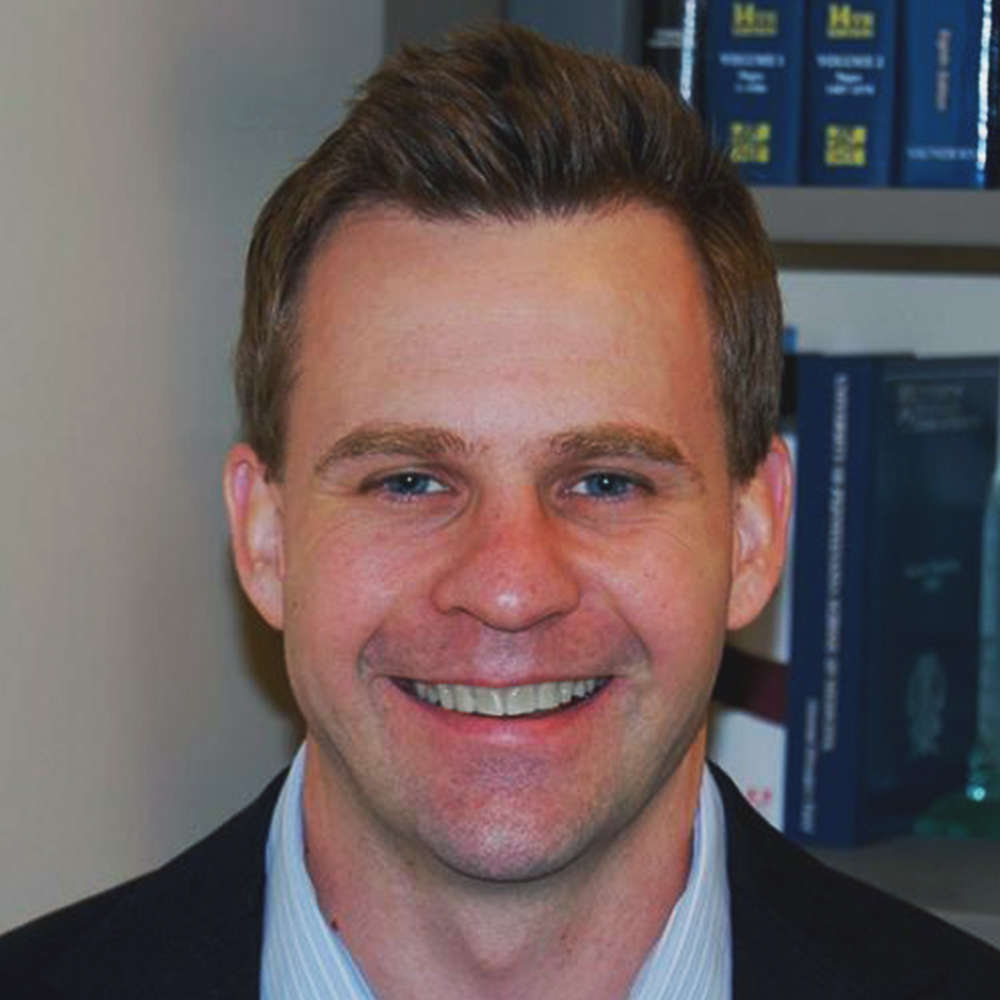
While the scientific community has not yet identified a single, definitive "cause" of OCD, research led by experts such as Dr. Brian P. Brennan of Harvard Medical School and the Obsessive-Compulsive Disorder Institute at McLean Hospital suggests a complex interplay of biological, genetic, and environmental factors.
Current research is heavily focused on neurobiology. Neuroimaging studies have identified specific pathways in the brain—particularly those involving the cortico-striato-thalamo-cortical (CSTC) circuits—that appear to be hyperactive in patients with OCD. These circuits are responsible for habit formation and the regulation of repetitive behaviors. By identifying these "biological targets," researchers hope to develop more precise pharmacological treatments that move beyond general anxiety medication and address the specific neurochemical imbalances associated with the disorder.
Furthermore, the genetic component is significant. Studies of families suggest that if a first-degree relative has OCD, an individual is at a statistically higher risk of developing the disorder themselves, pointing toward a heritable vulnerability.
Therapeutic and Medical Implications
Effective treatment for OCD is rarely a "one-size-fits-all" endeavor. The consensus among leading psychiatrists is that a multi-modal approach—combining psychotherapy and, when necessary, medication—offers the best prognosis for recovery.
The Role of Cognitive Behavioral Therapy (CBT)
CBT remains the gold standard for psychological intervention. Specifically, Exposure and Response Prevention (ERP) is a highly specialized technique used to treat the disorder. In ERP, patients are intentionally exposed to the triggers that cause their distress (the obsession) and are coached to resist the urge to perform their usual ritual (the compulsion).
For example, a person with a contamination obsession may be asked to touch a surface they perceive as "dirty" and then sit with the resulting anxiety without washing their hands. Over time, this process of desensitization rewires the brain’s response, proving to the patient that the feared catastrophic outcome does not occur, even if the ritual is omitted.
Pharmacological Interventions
Medication is often used as a tool to lower the "baseline" level of anxiety, making it easier for the patient to engage in therapy. Selective Serotonin Reuptake Inhibitors (SSRIs) are the most frequently prescribed category. While these drugs are effective at modulating serotonin levels and reducing the frequency of intrusive thoughts, they are not a "cure." Professionals emphasize that medication alone is often insufficient, as it does not address the behavioral habits that have become deeply ingrained over years of coping.
Holistic and Integrative Support
Emerging research suggests that lifestyle modifications can serve as vital adjuncts to traditional treatment. Mindfulness meditation, for instance, trains the brain to observe intrusive thoughts without becoming attached to them or feeling the need to "fix" them. Similarly, yoga and physical exercise can help regulate the nervous system, reducing the physical manifestations of the anxiety that fuel the OCD cycle.
Implications for the Future: A Call to Action
The path forward in the treatment of OCD involves moving away from the stigma that treats it as a character flaw and toward a model that views it as a neurobiological condition.
For those who believe they may be suffering from OCD, the most important step is seeking a professional evaluation. Because the disorder can be self-reinforcing—the more one performs a compulsion, the stronger the neural pathway for that compulsion becomes—early intervention is essential to prevent the disorder from becoming deeply entrenched.
Important Note: If you or a loved one are experiencing symptoms, consult with a licensed psychiatrist or psychologist. Never attempt to adjust medication or therapy protocols without direct oversight from a medical professional. The journey toward managing OCD is long and requires patience, but with the right combination of exposure therapy, clinical guidance, and, when appropriate, pharmacological support, the majority of patients can regain control over their lives and minimize the impact of the disorder on their daily functioning.
As we continue to advance our understanding of neurochemical mediators and novel biological targets, the future for those living with OCD is brighter than ever. Continued research into the brain’s circuitry, combined with the destigmatization of mental health, will ensure that more individuals receive the evidence-based care they deserve.