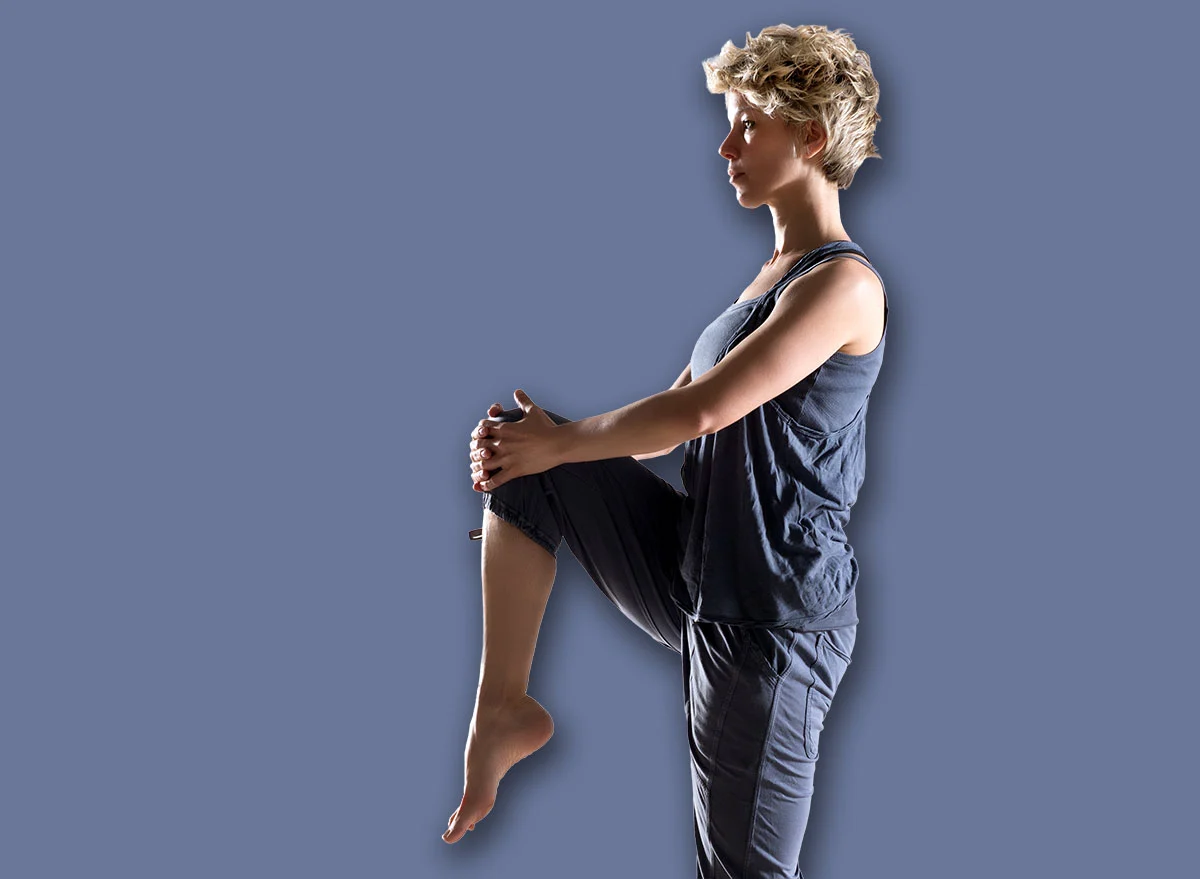
As we age, the subtle shifts in our physical stability often go unnoticed until they become impossible to ignore. A slightly shaky step off a curb, a moment of vertigo when turning quickly, or a fleeting sense of instability while reaching for a high shelf are more than just minor annoyances—they are important biological indicators. For adults over 60, these small lapses in coordination represent a critical window of opportunity to intervene through targeted, intentional training.
Balance is not a fixed attribute; it is a dynamic skill that can be refined, strengthened, and maintained at any age. By incorporating specific, standing-based exercises into your weekly routine, you can recalibrate your body’s neuromuscular response, improve proprioception, and significantly reduce the risk of falls.
The Science of Stability: Why Balance Declines and How to Combat It
Balance is a complex interplay between the vestibular system (inner ear), vision, and the somatosensory system (nerves in your joints and muscles). After the age of 60, age-related sarcopenia (muscle loss) and a natural reduction in nerve conduction speed can make these systems less efficient.
However, research published in journals such as The Journals of Gerontology suggests that the body remains highly adaptable. When you perform balance training, you are effectively "re-wiring" the communication between your brain and your musculoskeletal system. You are training your body to process weight shifts, maintain center-of-gravity control on a single limb, and remain organized during multi-directional movement. While walking is an excellent cardiovascular activity, it is largely linear. True stability requires lateral movement, core engagement, and the ability to stabilize under uneven loads.
1. Single-Leg Balance Hold: The Foundation of Steadiness
The single-leg balance hold is the cornerstone of any effective stability program. Because every human gait cycle involves a brief moment of being suspended on one leg, this exercise provides direct, functional practice for the act of walking.
Execution and Technique
To perform this movement, stand near a stable surface, such as a sturdy kitchen counter or the back of a heavy chair. Shift your weight onto one leg while keeping your torso upright and your core engaged. Lift the opposite foot slightly off the floor.
- Recommended Volume: 2 to 3 holds per side, lasting 15 to 30 seconds each.
- Progressions: To increase the challenge, move from a palm-supported position to a light fingertip touch, then eventually to hovering your hands just an inch above the surface. Once you master the stationary hold, try looking slowly from side to side to challenge your vestibular system.
2. The Heel-to-Toe Walk: Mastering Dynamic Control
If the single-leg hold is about stillness, the heel-to-toe walk (often called the tandem walk) is about movement control. By narrowing your base of support, you force your stabilizing muscles—specifically the gluteus medius and the muscles surrounding the ankle—to work in tandem to prevent tipping.
Why It Matters
This exercise is particularly effective for navigating tight spaces or uneven surfaces. It demands total focus on foot placement and spatial awareness, training your brain to anticipate and correct for shifts in balance while in motion.
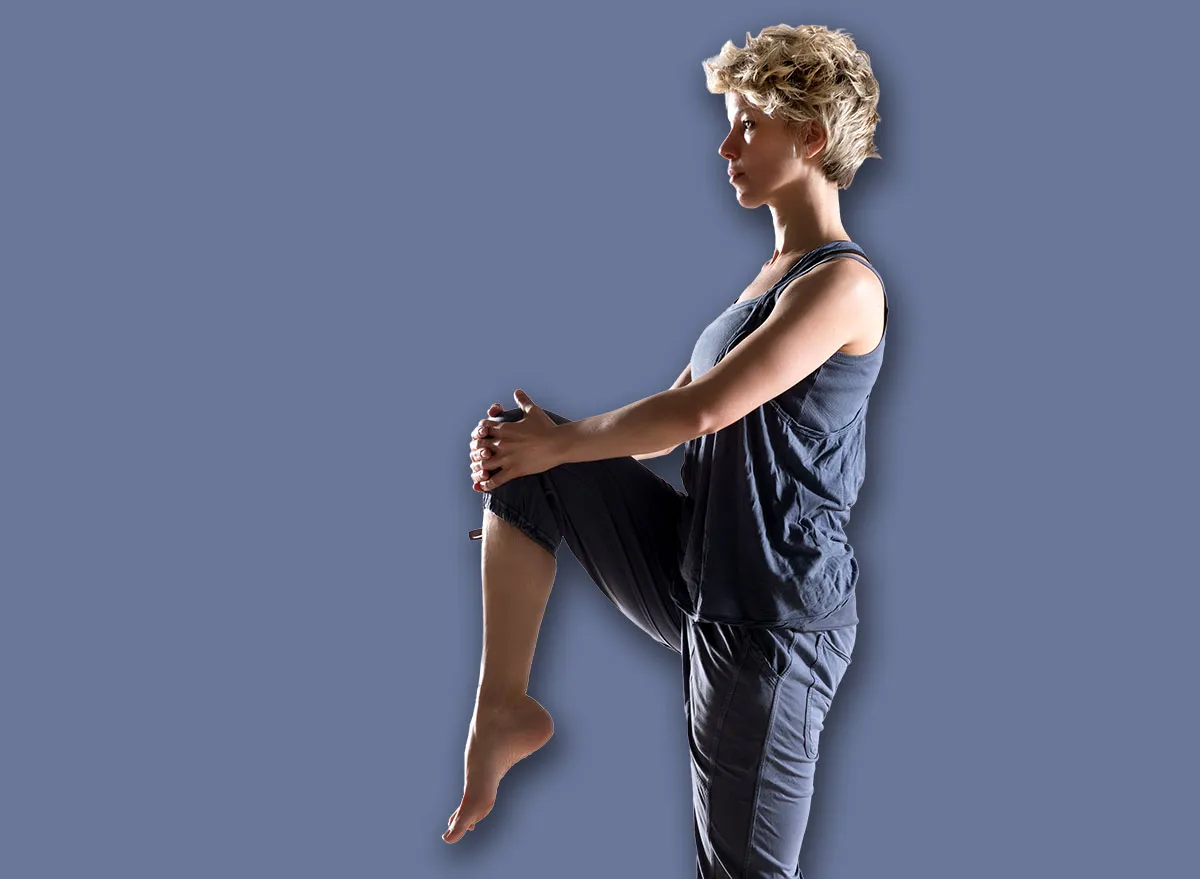
- Execution: Place one foot directly in front of the other, so the heel of the front foot touches the toes of the back foot. Focus on a point directly ahead of you rather than looking down at your feet.
- Volume: Perform 2 to 3 rounds of 8 to 12 steps.
- Form Tip: If you feel unstable, widen your stance slightly—think of walking along a wide "beam" rather than a tightrope—until your confidence increases.
3. Lateral Step-Over: Training the Forgotten Plane
Most daily activities occur in the sagittal plane (moving forward or backward). However, the most frequent causes of falls often involve trips or stumbles that happen when moving laterally. The lateral step-over introduces movement in a side-to-side direction, which is essential for agility and hip strength.
Building Resilience
By stepping over a low obstacle, such as a rolled-up yoga mat or a block, you force your body to clear space and re-stabilize the moment your foot makes contact with the ground. This helps strengthen the lateral hip muscles, which are vital for keeping the pelvis level.
- Execution: Stand with an object to your side. Step laterally over the object with the leading leg, followed by the trailing leg. Ensure you are using a counter or wall for safety during the first few sessions.
- Volume: 2 to 3 sets of 6 to 10 reps in each direction.
4. The Suitcase Carry March: Functional Core Stability
Perhaps the most practical of all exercises, the suitcase carry march mimics the demands of daily life—such as carrying a bag of groceries or a laundry basket. This movement creates an "asymmetrical load," which pulls your body toward the weight. Your core and oblique muscles must work aggressively to counteract this pull and keep your spine vertical.
Integrating Real-World Demands
By adding a march to this carry, you introduce a single-leg stability challenge while your torso is under tension. It is the ultimate test of "functional" balance.
- Execution: Hold a light weight (a water bottle or a small dumbbell) in one hand. Maintain a perfectly tall posture, preventing your shoulders from leaning toward the weight. Lift your knees in a slow, controlled march.
- Volume: 2 to 3 sets of 20 to 30 seconds per side.
Expert Perspectives: The Role of Consistency
According to fitness expert Jarrod Nobbe, the key to seeing results lies in the "frequency of stimulus." The nervous system, which dictates your balance, thrives on consistent, low-intensity repetition. "You don’t need to spend hours in the gym," says Nobbe. "You need to spend three to five minutes every day challenging your body in ways that feel safe but slightly demanding."
Clinical data suggests that individuals who perform balance training 3 to 4 times per week show significant improvements in "Timed Up and Go" (TUG) tests—a common clinical metric used by physical therapists to gauge mobility and fall risk.
Implications for Daily Living
Improving your balance is not just about avoiding falls; it is about maintaining your independence. When your balance is strong, you move with more confidence, you travel with less anxiety, and you maintain a higher quality of life.
Key Recommendations for Success:
- Safety First: Always have a "safety net" nearby. Use a wall, counter, or heavy chair for every exercise until you are completely confident in your ability to maintain control.
- Mindful Practice: Avoid multitasking while doing these exercises. Focus on your breathing and the placement of your feet.
- Progression is Key: If an exercise becomes easy, find a way to make it slightly harder. Remove one finger of support, close your eyes for a split second, or perform the movement slower.
- Listen to Your Body: It is normal to feel "wobbly"—that is the feeling of your brain learning to balance. However, if you experience pain or sharp dizziness, stop immediately and consult with a physical therapist or your primary care physician.
Conclusion
The journey toward better balance is a lifelong endeavor, but it is one that pays dividends in your daily quality of life. By dedicating just a few minutes a day to these four pillars—single-leg stability, tandem walking, lateral movement, and loaded carries—you are building a body that is not only strong but resilient. As we age, the goal is to remain active, mobile, and capable of navigating the world with the same certainty we possessed decades ago. With consistent, purposeful practice, that goal is well within reach.