











Obsessive-Compulsive Disorder (OCD) is a chronic and long-lasting mental health condition that affects millions of individuals worldwide. Far from the colloquial usage of the term—often flippantly employed to describe someone who is simply "neat" or "organized"—clinical OCD is a debilitating condition characterized by a cycle of intrusive, unwanted thoughts (obsessions) and the repetitive, ritualistic behaviors (compulsions) performed to neutralize the anxiety those thoughts produce.
For those living with the disorder, the experience is often isolating and profoundly exhausting. Understanding the clinical reality of OCD is the first step toward effective management, destigmatization, and clinical recovery.
Main Facts: Deconstructing the Cycle
At its core, OCD is defined by its ability to interfere significantly with an individual’s daily functioning. The disorder is typically marked by two distinct but interconnected components:
The Nature of Obsessions
Obsessions are intrusive, persistent, and unwanted thoughts, urges, or images that cause significant distress. Clinicians describe these as "ego-dystonic," meaning the sufferer recognizes these thoughts as alien or inconsistent with their own values and desires, yet they feel powerless to dismiss them. Common themes include fears of contamination, a need for symmetry or exactness, or intrusive thoughts regarding harm to self or others.
The Mechanism of Compulsions
Compulsions are repetitive behaviors or mental acts that a person feels driven to perform in response to an obsession. These actions—such as excessive hand-washing, constant checking of locks, or repetitive counting—are not performed for pleasure. Instead, they serve as a psychological "buffer," an attempt to prevent a feared event or to temporarily alleviate the crushing anxiety brought on by the obsession.
The diagnostic threshold for OCD is stringent: the cycle of obsessions and compulsions must occupy at least one hour of the individual’s day and cause marked impairment in social, occupational, or other important areas of functioning.

Chronology: From Childhood Onset to Clinical Diagnosis
The trajectory of OCD often begins early in life, though the path to a formal diagnosis can be lengthy.
- Early Signs: Research indicates that approximately one-third of adults currently diagnosed with OCD experienced the onset of symptoms during childhood.
- Adolescence and Young Adulthood: While symptoms may appear earlier, the average age of formal clinical diagnosis typically clusters around age 19.
- Lifespan Variability: OCD is not static. Symptoms often wax and wane in severity over a person’s lifetime. Periods of transition, high pressure, or acute stress are frequently identified as catalysts for increased symptomatic intensity.
- The Diagnosis Gap: Many individuals suffer in silence for years, misinterpreting their symptoms or fearing judgment. Because the disorder is frequently misunderstood by the general public, the time between the onset of symptoms and the initiation of evidence-based treatment remains a critical hurdle for mental health professionals.
Supporting Data: The Scope of the Disorder
The prevalence of OCD is substantial, making it a major public health concern.
- Prevalence: In the United States alone, over 3 million people are estimated to suffer from OCD annually.
- Demographic Parity: Unlike some anxiety-related disorders that show distinct gender disparities, OCD appears to affect men and women at relatively equal rates, crossing all cultural and socioeconomic boundaries.
- The Stress Factor: Empirical data consistently shows a direct correlation between external life stress and symptom exacerbation. When a patient’s baseline anxiety rises, the "need" to perform compulsions often becomes more rigid and frequent, creating a feedback loop that further limits the individual’s quality of life.
Official Perspectives: The Path to Treatment
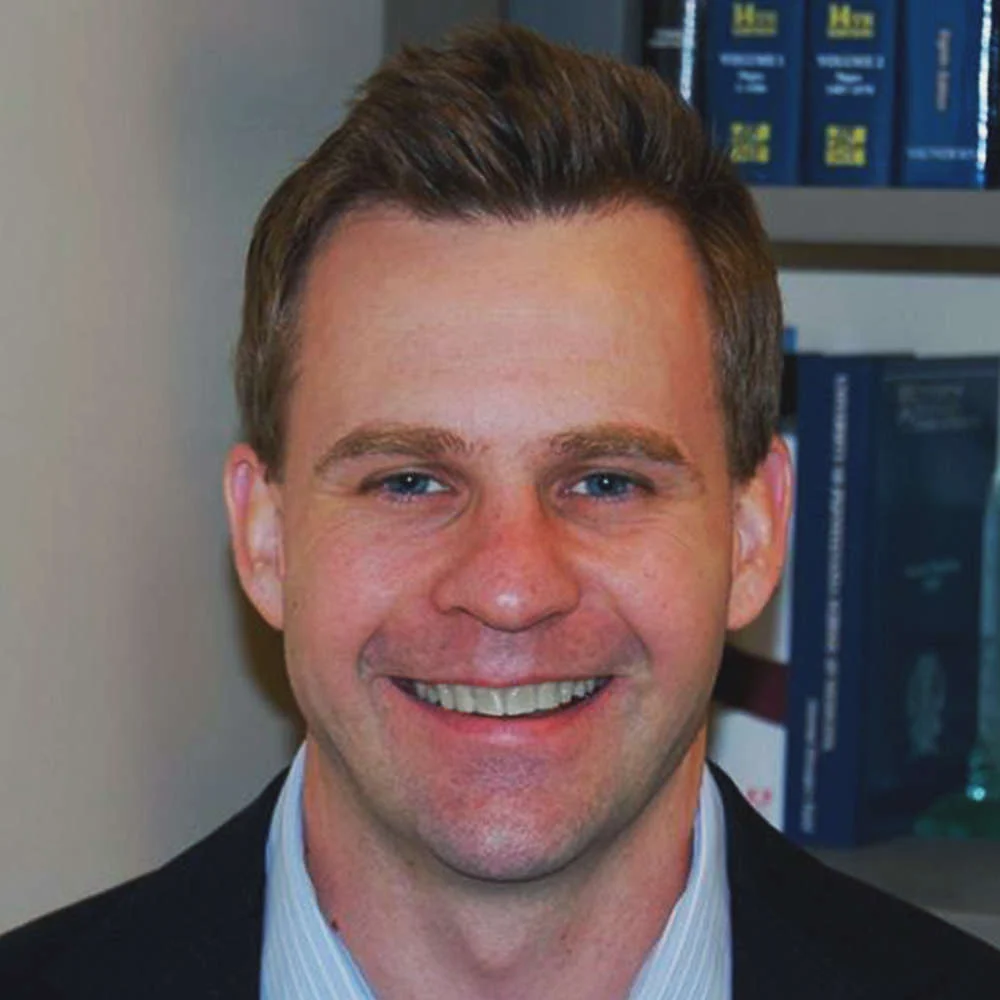
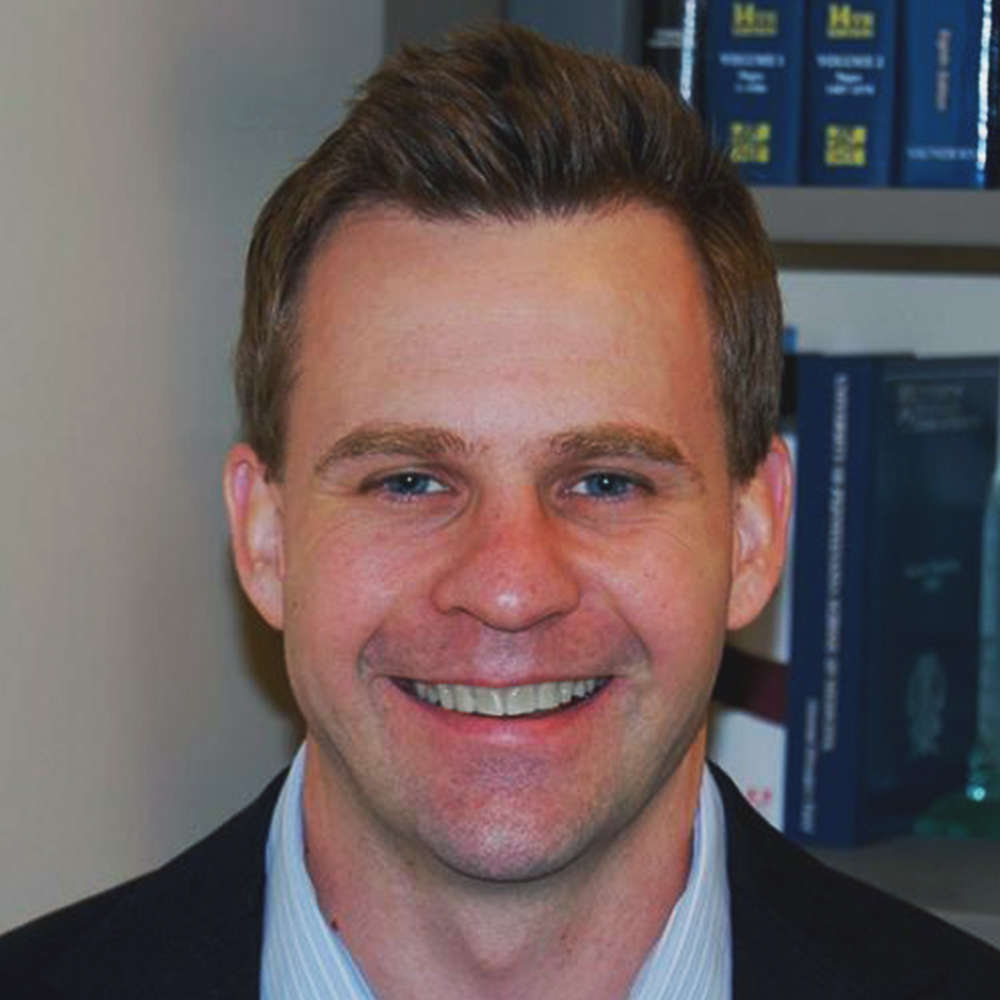
The medical community emphasizes that OCD is not a failure of willpower, but a neurobiological and psychological condition that requires specialized intervention. Dr. Brian P. Brennan, M.D., a leading voice in the field at Harvard Medical School and the Obsessive-Compulsive Disorder Institute, underscores that successful management often requires a multimodal approach.
The Failure of Monotherapy
While medication is a common component of treatment, clinical consensus suggests that medication alone is rarely sufficient to address the underlying psychological mechanisms of the disorder. SSRIs (Selective Serotonin Reuptake Inhibitors) and other anti-anxiety medications are frequently prescribed to modulate neurochemistry, but they act primarily as a tool to lower the "volume" of anxiety, rather than a cure for the behavioral cycle itself.
Psychotherapy: The Gold Standard
Cognitive Behavioral Therapy (CBT) stands as the gold standard for treating OCD. By helping patients identify the connection between their thoughts, emotions, and subsequent behaviors, therapists provide the tools necessary to dismantle the cycle.
A specific, highly effective branch of CBT is Exposure and Response Prevention (ERP). In ERP, patients are intentionally exposed to the triggers of their obsessions while being coached to refrain from the associated compulsive behavior. For example, a patient with contamination fears might be asked to handle an object they perceive as "dirty" and sit with the resulting discomfort without washing their hands. Over time, this process desensitizes the brain to the anxiety, proving to the patient that the feared outcome does not occur, even if the ritual is not performed.
Holistic Integration
Increasingly, clinicians are advocating for the integration of holistic practices to support traditional therapy. Mindfulness-based stress reduction, yoga, and meditation can help patients develop a "de-centered" perspective on their intrusive thoughts, allowing them to observe their anxieties without becoming emotionally reactive to them.
Implications: A Call for Better Understanding
The implications of untreated or improperly treated OCD are severe. Beyond the obvious toll on personal time and productivity, the disorder can lead to secondary complications, including clinical depression, social withdrawal, and physical health issues related to compulsive habits (e.g., skin damage from excessive washing).
The Necessity of Professional Consultation
The most critical takeaway for those struggling with these symptoms is that professional help is essential. Because OCD involves complex neurobiological pathways, self-diagnosis and self-management are rarely effective. Consulting with a psychiatrist or a psychologist specializing in anxiety disorders is the necessary first step.
Moving Toward Destigmatization
We must move away from the trivialization of OCD in pop culture. When "OCD" is used as a synonym for being organized or clean, it erases the suffering of those who are trapped in a debilitating cycle of fear and ritual. Recognizing the disorder for what it is—a serious, medically recognized condition—is the only way to ensure that those who need help feel empowered to seek it without shame.
Future Research Directions
The future of OCD treatment lies in the field of translational neuroscience. Researchers like Dr. Brennan are working to identify novel biological targets for pharmacologic therapy, moving beyond the "trial and error" approach of current medication. By using advanced neuroimaging, scientists are beginning to map the neurochemical mediators of the disorder, offering hope for more personalized, highly effective treatments in the years to come.
In conclusion, while Obsessive-Compulsive Disorder is a formidable adversary, it is treatable. Through the combination of rigorous psychotherapy, appropriate medication, and a compassionate understanding of the disorder’s mechanisms, individuals can regain control over their lives and move toward a state of sustainable recovery. If you or someone you know is experiencing symptoms that fit this pattern, please reach out to a licensed healthcare provider to begin the process of reclaiming your well-being.