



October 31, 2019 | Policy Analysis
The landscape of addiction treatment in the United States has long been a patchwork of clinical excellence and predatory exploitation. As the nation grapples with the devastating, multi-decade opioid epidemic, the demand for high-quality, evidence-based care has surged. However, this increased demand has inadvertently created a lucrative environment for "bad actors"—treatment providers who prioritize profit over patient outcomes, often at the expense of vulnerable individuals seeking a path to recovery.
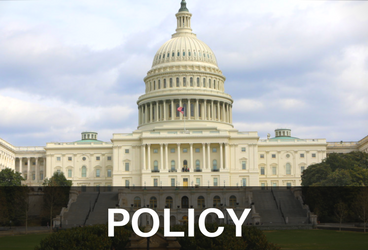
On October 24, 2019, the United States Senate Committee on Finance took a significant step toward addressing these systemic failures, convening a landmark hearing titled, "Treating Substance Misuse in America: Scams, Shortfalls, and Solutions." This session served as a sobering examination of the industry, bringing together top federal officials and advocates to dissect the mechanisms of fraud and the urgent need for regulatory reform.
I. The Core Issues: Scams, Shortfalls, and Systemic Failures
The Senate hearing was structured to move beyond the broad strokes of the addiction crisis and delve into the granular realities of how patients are being defrauded. The committee identified three primary areas of concern:
- Patient Brokering and Kickbacks: The practice of "body brokering," where unscrupulous operators pay recruiters or sober living home managers to steer patients toward specific treatment facilities—often those with the most generous insurance plans, rather than the best clinical outcomes.
- Fraudulent Billing Practices: Facilities inflating the costs of routine tests, such as urine drug screenings, or billing for services that were never rendered.
- The "Treatment-to-Relapse" Cycle: The proliferation of low-quality, "revolving door" programs that lack the clinical infrastructure to support long-term recovery, essentially profiting from a patient’s recurring struggle with substance use disorder (SUD).
Senator Chuck Grassley (R-IA), who chaired the hearing, emphasized that while many providers operate with integrity, the existence of predatory actors undermines the credibility of the entire recovery field.
II. Chronology of the Congressional Inquiry
The October 24th hearing was the culmination of months of investigative work by the Senate Finance Committee. The timeline of this specific legislative push highlights the mounting pressure to standardize care:
- Early 2019: Reports began surfacing regarding fraudulent billing practices within private rehabilitation centers, particularly those targeting patients with comprehensive insurance coverage.
- August 2019: The Government Accountability Office (GAO) and the Office of Inspector General (OIG) initiated a joint review of oversight mechanisms in the addiction treatment sector, focusing on the interface between Medicare/Medicaid and private facilities.
- October 24, 2019: The formal hearing took place. Surgeon General Jerome Adams provided testimony alongside representatives from the GAO and OIG, as well as Gary Mendell, CEO of the non-profit organization Shatterproof.
- Post-Hearing Phase: The committee committed to reviewing the testimonies to draft future legislation aimed at creating national quality standards and stricter accreditation requirements for treatment centers.
III. Supporting Data: The Scope of the Problem
The witnesses presented a compelling, albeit distressing, case for immediate reform. While the exact financial cost of fraud in the addiction treatment sector is difficult to calculate precisely due to the fragmented nature of the industry, the OIG and GAO provided key insights into the systemic weaknesses:
- Clinical Gaps: Witnesses noted that there is no uniform, federal standard for what constitutes "effective" addiction treatment. This lack of standardization allows low-quality programs to market themselves as gold-standard facilities.
- Insurance Exploitation: The committee heard evidence that some facilities maximize their profits by ordering excessive, unnecessary laboratory testing, which is then billed to private insurers and federal programs at exorbitant rates.
- The Regulatory Vacuum: A recurring theme throughout the testimony was the "silo effect." Because addiction treatment falls under a mix of health insurance regulation, state-level licensing, and federal healthcare policy, there is no centralized body responsible for verifying the clinical efficacy of a program before it receives insurance reimbursement.
IV. Official Responses and Testimony
The hearing featured a cross-section of stakeholders, each offering a distinct perspective on how to resolve the crisis of confidence in the recovery industry.
The Surgeon General’s Perspective
Surgeon General Jerome Adams emphasized the biological and chronic nature of substance use disorder. He argued that the current treatment system is "acute-care oriented" when it should be "chronic-care oriented." Adams noted that when treatment is treated as a commodity rather than a medical necessity, patients are the ones who pay the ultimate price—often with their lives.
The Role of Advocacy
Gary Mendell of Shatterproof offered a powerful, personal narrative. Having lost his son to addiction, Mendell has become one of the most vocal advocates for transparency in the industry. He challenged the committee to demand a national rating system for treatment centers, similar to how the public evaluates hospitals or educational institutions. "A family in crisis shouldn’t have to guess whether a facility is providing evidence-based care or just chasing a payout," Mendell testified.
Federal Oversight Reports
Representatives from the GAO and OIG provided technical breakdowns of how federal funds are being siphoned away from legitimate recovery services. They highlighted the need for better inter-agency cooperation between the Department of Justice, the Department of Health and Human Services (HHS), and state attorneys general to track and prosecute fraudulent actors more effectively.
V. Implications: A Path Toward Reform
The Senate Finance Committee hearing marked a turning point in how Congress approaches the business of addiction treatment. The implications for the future are significant:
1. Toward a Standardized Quality Metric
The primary takeaway from the hearing was the necessity for a national quality metric. This would involve creating a public, searchable database that tracks clinical outcomes, accreditation status, and licensing compliance for treatment centers nationwide.
2. Tightening Reimbursement Controls
Insurers and federal programs are likely to face increased pressure to implement "value-based purchasing" models. This shift would move reimbursement away from fee-for-service models—which incentivize the number of services provided—toward outcome-based models, which reward facilities for keeping patients in long-term recovery.
3. Increased Enforcement and Accountability
The hearing underscored that the current patchwork of state oversight is insufficient. We can expect to see increased coordination between federal agencies to conduct "sting" operations against facilities that engage in patient brokering, as well as tougher penalties for those who exploit the Parity Act to deny legitimate coverage or facilitate fraudulent billing.
4. Patient Empowerment
The long-term implication is a move toward a more informed consumer base. By educating the public on how to identify "red flags"—such as facilities that promise 100% success rates, push unnecessary lab tests, or refuse to share their clinical success data—the government hopes to decrease the market share of predatory operators.
Conclusion
The "Treating Substance Misuse in America" hearing was more than an exercise in oversight; it was an acknowledgment that the American addiction treatment system is currently in a state of crisis. When those seeking help for a life-threatening illness are met with scams and exploitation, the public trust is eroded, and the cycle of addiction is perpetuated.
As the Senate continues its work, the roadmap for reform is becoming increasingly clear: transparency, accountability, and the elevation of evidence-based clinical practices above all else. For the millions of Americans navigating the difficult journey to recovery, these policy shifts are not merely bureaucratic updates—they are essential safeguards that will determine the future of life-saving care in the United States.
This report was compiled with the expert assistance of Sarah Herbert and Carol McDaid of Capitol Decisions, who continue to provide critical insights into the intersection of federal health policy and the addiction recovery landscape.