









Introduction: Bridging the Gap in Patient Empowerment
Receiving a diagnosis of lymphoma—a complex group of blood cancers that affect the lymphatic system—can be an overwhelming experience, often characterized by a whirlwind of medical terminology, treatment protocols, and emotional uncertainty. To bridge the gap between clinical complexity and patient understanding, a specialized virtual forum, "Ask the Doctor About Lymphoma," is set to convene on July 8, 2026. This two-hour intensive program is designed to provide newly diagnosed individuals, their caregivers, and their support networks with the foundational knowledge necessary to navigate their unique healthcare journeys with confidence and clarity.
In an era where medical information is abundant but often contradictory or overwhelming, this initiative emphasizes the importance of direct access to clinical expertise. By combining a comprehensive overview of the disease state with an extensive question-and-answer session, the program serves as a critical resource for those standing at the threshold of their treatment path.
Main Facts: Program Logistics and Core Objectives
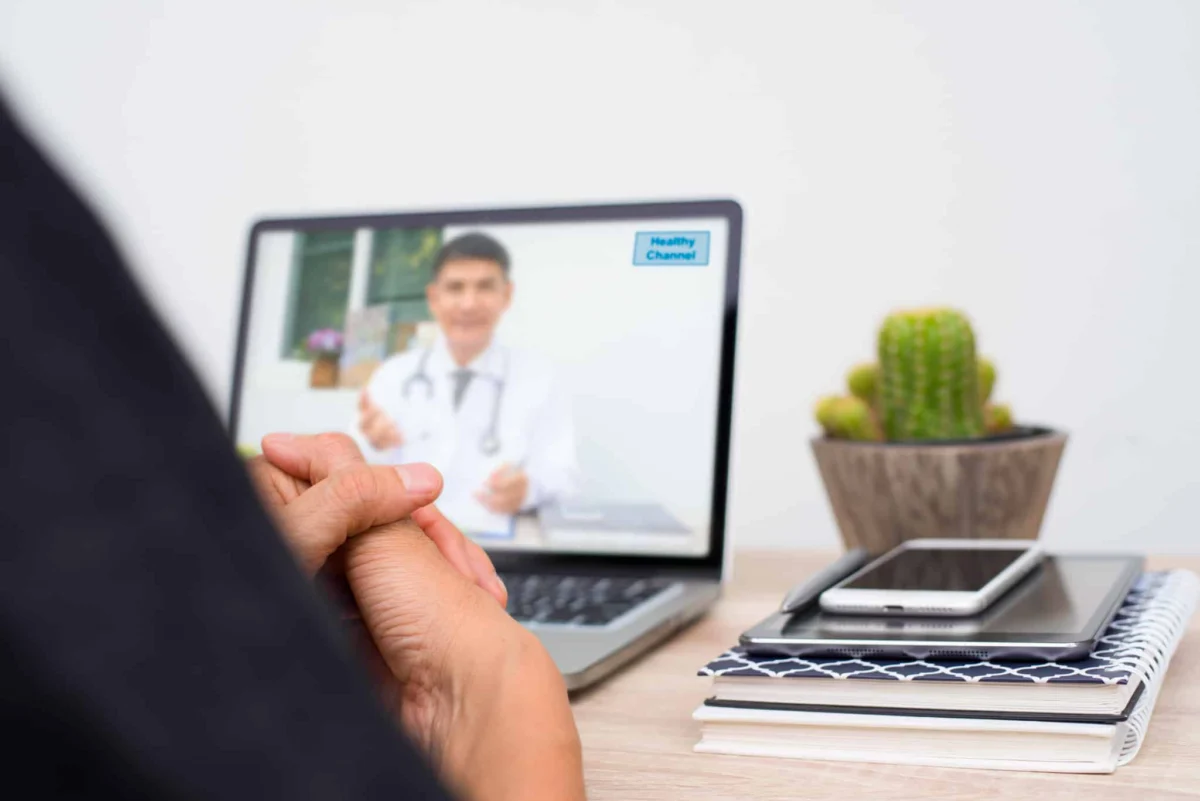
The program is scheduled for Tuesday, July 8, 2026, from 4:30 PM to 6:30 PM ET. Hosted entirely in a virtual environment via Zoom, the event is designed to be accessible regardless of a patient’s geographic location, allowing participants to join via computer or telephone.
Essential Event Details:
- Purpose: To provide a foundational understanding of lymphoma, including disease subtypes, diagnostic processes, and treatment landscapes.
- Format: A balanced session featuring an expert lecture followed by a robust Q&A period.
- Audience: Specifically tailored for newly diagnosed patients, though open to long-term survivors, care partners, and healthcare supporters.
- Accessibility: Participants receive secure access links via email upon registration.
- Registration: Interested individuals can register through the official Lymphoma Foundation portal, or by contacting the Helpline at 800-500-9976.
The program aims to demystify the "clinical jargon" that often alienates patients during their initial consultations. By fostering an environment where questions are encouraged, organizers seek to shift the power dynamic in the exam room, transforming patients from passive recipients of care into informed, proactive participants in their own health outcomes.
Chronology: The Evolution of Patient Education
The history of patient advocacy in oncology has shifted dramatically over the past two decades. In the early 2000s, patient education was primarily limited to printed pamphlets provided in physician offices. The rise of digital health in the 2010s allowed for the proliferation of webinars, but many lacked the interactivity required to address the specific anxieties of the newly diagnosed.
The 2026 "Ask the Doctor" program represents the current zenith of this evolution:
- Pre-2010: Traditional, static information delivery.
- 2010–2020: The rise of broad-spectrum webinars; focus on informational breadth rather than individualized depth.
- 2020–2026: The integration of "High-Touch/High-Tech" models, where virtual sessions prioritize direct Q&A, acknowledging that patient anxiety is best mitigated through direct dialogue with subject matter experts.
This upcoming session follows this modern trajectory, ensuring that even those who are not physically present in a major research hospital have access to the same caliber of information as those who are.
Supporting Data: Understanding the Lymphoma Landscape
Lymphoma remains one of the most significant categories of hematologic malignancy, with over 80,000 new cases diagnosed annually in the United States alone. The condition is broadly categorized into Hodgkin and non-Hodgkin lymphoma, with dozens of subtypes ranging from indolent (slow-growing) to aggressive.
Data Points for the Newly Diagnosed:
- Complexity of Subtypes: Because there are more than 60 distinct types of lymphoma, "one-size-fits-all" treatment does not exist. The expert-led nature of this session is crucial because the standard of care for a Follicular Lymphoma patient differs vastly from that of a Diffuse Large B-Cell Lymphoma (DLBCL) patient.
- The Importance of Molecular Testing: Modern oncology relies heavily on cytogenetic and molecular profiling. Understanding why a doctor orders a biopsy or a specific genetic test is a core component of the "patient journey" that this program intends to clarify.
- Clinical Trial Participation: Statistics indicate that patients who have access to information about clinical trials early in their journey are more likely to pursue innovative therapies. This session aims to normalize these discussions as a standard part of patient advocacy.
Official Responses and Expert Perspectives
The program will feature expert clinical insight, notably from leading voices in the field such as Dr. Farrukh Awan. By centering the program on expert leadership, the organizers ensure that the information disseminated is grounded in the latest clinical research.
"The goal is not to replace the oncologist," says a representative from the organizing committee. "The goal is to prepare the patient to have a more productive, efficient, and empowered conversation with their own medical team. When a patient arrives at an appointment with a foundation of knowledge, the time spent with their physician can be focused on personalized treatment decisions rather than basic education."

It is important to note the strict Patient Education Program Disclaimer attached to this event: Information provided is for educational purposes only and is not a substitute for professional medical advice, diagnosis, or treatment. This distinction is vital for maintaining the integrity of the patient-physician relationship.
Implications: Navigating the Patient Journey
The implications of attending such a program extend far beyond a two-hour Zoom session. For a newly diagnosed patient, the primary barrier to effective care is often the "paralysis of uncertainty."
1. Reducing Psychological Burden
The psychological toll of a cancer diagnosis often leads to a phenomenon known as "information overload," where patients turn to unverified internet sources. By providing a moderated, expert-led space, the program helps filter the noise, reducing the anxiety that stems from misinformation.
2. Improving Health Literacy
Health literacy is a primary determinant of health outcomes. Patients who understand the staging of their cancer, the mechanism of their treatments (such as immunotherapies or CAR-T cell therapy), and the common side effects are better equipped to manage their health, adhere to medication schedules, and communicate symptoms effectively to their care teams.
3. Fostering Community and Support
For many, the diagnosis is an isolating event. The virtual format connects patients not just with experts, but with a community of others currently traversing the same path. This peer support is an intangible but essential component of the holistic care model that modern oncology advocates support.
Looking Ahead: How to Participate
For those looking to attend, the registration process is streamlined to ensure accessibility. Beyond the online portal, the organization maintains a robust helpline for those who may require assistance with technology or accessibility accommodations.
Registration Channels:
- Online Portal: Visit the official website and navigate to the "Patient Education" section.
- Helpline: 800-500-9976.
- Email Support: Contact the support team for inquiries regarding the digital access link or sponsorship opportunities.
A Note for Industry Professionals
The organizers emphasize that while the program is primarily for patients and their support networks, they invite engagement from pharmaceutical and industry partners. However, to maintain the focus on patient advocacy, industry professionals are required to coordinate through the official sponsorship channels rather than attending as general participants. This ensures that the Q&A remains a safe, neutral space for patients to voice their concerns without the pressure of industry presence.
Conclusion: Empowering the Future of Care
As the medical landscape continues to advance with rapid developments in targeted therapy and personalized medicine, the role of the informed patient has never been more critical. The "Ask the Doctor About Lymphoma" program serves as a beacon for those navigating the complexities of a new diagnosis. By prioritizing accessibility, expert interaction, and a foundation of evidence-based information, the program helps ensure that patients are not just undergoing treatment, but are active partners in their journey toward recovery and long-term health.
On July 8, 2026, participants will gain more than just facts; they will gain the tools to advocate for their own lives, proving that even in the face of a challenging diagnosis, knowledge remains the most powerful medicine.