









The American Society of Clinical Oncology (ASCO) annual meeting remains the undisputed "Super Bowl" of the cancer research world. As thousands of oncologists, researchers, and biotech executives descend upon the convention center, the air is thick with anticipation. This year, the focus has shifted from incremental gains to paradigm-shifting breakthroughs, specifically in the treatment of notoriously difficult malignancies like pancreatic cancer.
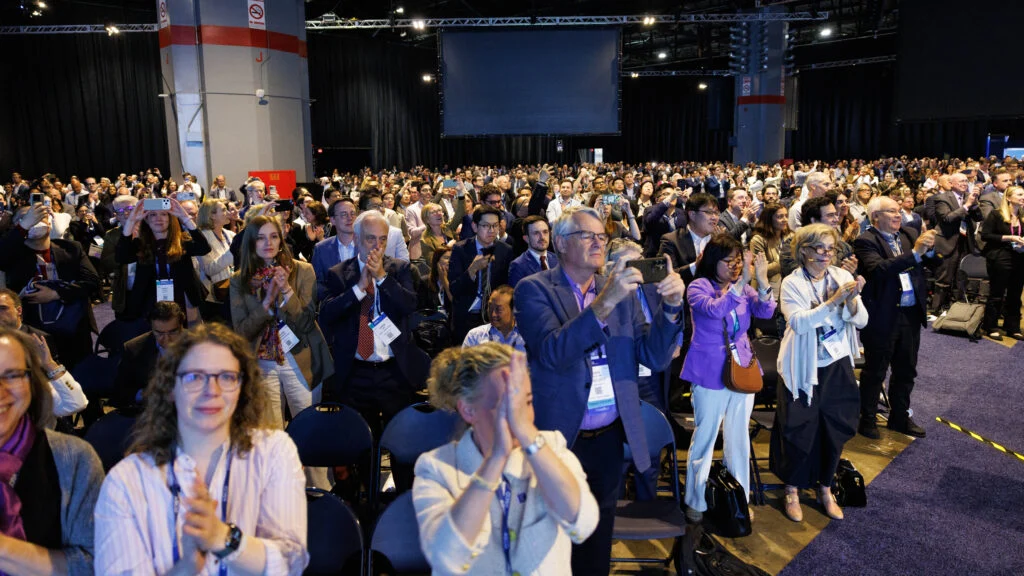
As we reach the final stages of this year’s gathering, the atmosphere remains electric. The sight of a packed auditorium erupting into a spontaneous standing ovation for a presentation on a novel pancreatic cancer therapy serves as a poignant reminder: in the world of oncology, progress is measured not just in data points, but in the restoration of hope for patients who previously had none.
The Main Facts: A Watershed Moment in Clinical Research
The central narrative of ASCO 2026 has been the emergence of targeted therapies that manage to penetrate the "cold" tumor microenvironments that have historically rendered pancreatic and other aggressive cancers resistant to immunotherapy.
The highlight of the week—the presentation that drew the standing ovation—centered on a breakthrough drug from Revolution Medicines. The data presented showcased a level of efficacy that, until now, was largely theoretical. By targeting specific genetic mutations that act as the "engine" for tumor growth, researchers are reporting tumor shrinkage rates that are significantly higher than the current standard of care.

This is not merely a refinement of chemotherapy; it is a fundamental shift toward precision medicine. The oncology community is moving away from a "one-size-fits-all" approach, instead identifying the molecular signature of an individual’s tumor and deploying a surgical strike against its primary survival mechanism.
Chronology: A Week of High-Stakes Disclosure
The ASCO meeting follows a rigid, high-stakes choreography. The early days are typically defined by the release of "Late-Breaking Abstracts," which often dictate the flow of the entire conference.
- Day 1: The Setting of the Stage. The conference opened with a focus on survivorship and the long-term impact of immunotherapy. However, the energy shifted rapidly toward the late-afternoon sessions where early-phase data on novel inhibitors were first teased.
- Day 2: The Plenary Powerhouse. The plenary session is the heartbeat of ASCO. This is where the most significant clinical trials are unveiled. It was here that the data on the Revolution Medicines candidate was presented. The room, usually reserved in its professional demeanor, broke protocol as the survival curves were projected onto the massive screens.
- Day 3: The Deep Dive. Following the plenary, the focus shifted to satellite symposia and poster sessions. These sessions allowed for a granular look at the toxicities and side-effect profiles of these new drugs, ensuring that the excitement of the initial reveal was tempered by the clinical reality of patient safety.
- Day 4: Looking Toward the Horizon. As the meeting concludes, the discussion has pivoted toward regulatory pathways. How quickly can these drugs reach the bedside? What are the implications for insurance coverage and patient access?
Supporting Data: Why the Science Matters
The data driving this year’s excitement is robust. For years, the scientific community has struggled with the "undruggable" nature of certain protein targets. The current generation of drugs, particularly those utilizing innovative small-molecule inhibitors, are demonstrating a unique ability to bind to these targets with high affinity.
In the pivotal study presented this week, the primary endpoint—progression-free survival (PFS)—showed a statistically significant improvement over historical controls. Furthermore, the objective response rate (ORR) was remarkably consistent across different cohorts of patients.

While the scientific community awaits the final, peer-reviewed publication of these results in leading journals, the preliminary data presented at ASCO suggests that we are witnessing the birth of a new class of standard-of-care treatments. The durability of these responses is perhaps the most promising indicator: patients are not just seeing their tumors shrink; they are maintaining that response over a sustained period, a feat rarely achieved in late-stage pancreatic oncology.
Official Responses and the Industry Perspective
The reception from the oncology community has been overwhelmingly positive, though marked by a healthy dose of scientific skepticism.
"We’ve seen excitement before," noted one lead investigator during a post-presentation panel. "What makes this different is the mechanism of action. We aren’t just throwing more toxins at the patient; we are interrupting the very signal that tells the cancer to replicate."
On the corporate side, the mood is one of cautious optimism. Biotech executives are acutely aware that the path from a conference presentation to FDA approval is fraught with hurdles. Regulatory agencies are demanding more than just tumor shrinkage; they are looking for clear evidence of quality-of-life improvements and long-term survival benefits.

The stock market has mirrored this sentiment, with biotech indices seeing notable volatility as investors digest the implications of these findings. Companies that successfully demonstrated a clear, differentiated clinical profile saw their valuations soar, while those with less compelling data faced immediate scrutiny.
The Broader Implications: What Lies Ahead
As the 2026 ASCO meeting comes to a close, the implications for the future of medicine are profound.
1. The Decentralization of Oncology
The success of these targeted therapies suggests a future where cancer treatment is increasingly decentralized. As we develop more precise diagnostics, patients may eventually be able to receive personalized, biomarker-driven therapies closer to home, rather than traveling to massive academic centers for experimental protocols.
2. The Cost-Benefit Calculus
The promise of these drugs comes with a significant caveat: cost. As the biotech sector continues to innovate, the financial burden on the healthcare system increases. The conversation at ASCO has increasingly touched upon the need for sustainable pricing models that allow for innovation while ensuring that patients from all socioeconomic backgrounds can access these life-saving advancements.

3. The Patient as a Partner
One of the most heartening shifts in the last decade of ASCO meetings is the inclusion of the patient perspective. It is no longer enough for a drug to work in a lab; it must work in the life of a patient. The emphasis this year on reducing treatment-related toxicity—ensuring that patients can maintain their quality of life while undergoing therapy—has been a cornerstone of the conversation.
4. A New Era of Collaboration
Finally, the collaborative spirit of ASCO 2026 cannot be overstated. The speed at which these therapies moved from discovery to clinical trial is a testament to the power of international collaboration between academia, the pharmaceutical industry, and regulatory bodies.
Conclusion: Beyond the Standing Ovation
The applause that filled the hall during the presentation of the pancreatic cancer data was not just for the drug itself; it was for the collective effort of thousands of people—scientists in labs, nurses in clinics, and the patients who volunteered for the trials.
ASCO 2026 has served as a beacon of progress. While the challenges of cancer remain immense, the tools at our disposal are becoming more precise, more effective, and more patient-centric. As the attendees pack their bags and head back to their respective corners of the globe, they do so with a renewed sense of purpose.

The work is far from finished. The next step is the transition from the excitement of the conference floor to the rigor of real-world clinical application. However, if this week has taught us anything, it is that the status quo in oncology is no longer acceptable. The bar has been raised, the horizon has expanded, and for millions of patients, the future of cancer care looks brighter than it did just one week ago.
For those who missed the live events, STAT will be hosting a virtual recap this Wednesday. This comprehensive session will distill the most important clinical takeaways, provide expert commentary on the business implications, and feature interviews with the lead investigators behind this year’s most significant breakthroughs. Stay tuned to STAT’s ongoing coverage for further updates as we continue to track the long-term impact of the research presented at ASCO 2026.