










In the high-stakes world of pharmaceutical development, the spotlight often swings toward the massive, multi-billion-dollar blockbusters designed for mass-market conditions like obesity and cardiovascular disease. Yet, beneath the noise of the GLP-1 revolution, a more specialized, equally high-value sector is quietly securing its future. According to Evaluate’s latest industry analysis, “A Safe(r) Passage Amid Stormy Waters?,” developers of orphan drugs are proving remarkably resilient, maintaining strong sales trajectories even as they navigate a temperamental regulatory environment and stiff competition for capital.
Main Facts: The Steady Rise of Rare Disease Therapeutics
Despite the policy headwinds and pricing pressures that have buffeted the broader pharmaceutical industry, orphan drugs—medicines designed to treat rare diseases affecting small patient populations—are not just surviving; they are flourishing.
The data suggests a structural shift in the pharmaceutical market. In 2022, orphan drugs accounted for 15% of all prescription pharmaceutical sales. By 2032, that figure is projected to climb to over 21%. In absolute terms, the market is set to generate more than $400 billion in annual global prescription sales by 2032. To put that in perspective, the rare disease sector alone will be worth as much as the entire global prescription medicine market was just two decades ago.
This growth is being driven by a combination of scientific innovation, specialized market access, and a regulatory framework that—despite its complexities—continues to prioritize the urgent, unmet needs of patients with rare conditions.
Chronology: The Evolution of the Orphan Drug Landscape
The journey of orphan drug development has evolved significantly over the last decade, marked by a shift from niche curiosity to a primary pillar of biopharmaceutical strategy.
- 2020–2022: The early part of the decade saw a surge in investment, with the orphan sector attracting record levels of venture capital. Rare disease assets became highly sought after as companies sought to diversify away from traditional primary care portfolios.
- 2025: A pivotal year for policy. The U.S. government implemented critical amendments to the Inflation Reduction Act (IRA). These changes specifically addressed concerns that the original legislation could inadvertently punish orphan drug developers by exposing multi-indication drugs to Medicare price negotiations too early in their life cycles.
- Early 2026: The Rare Pediatric Disease Priority Review Voucher (PRV) program was officially re-authorized. This provided a crucial incentive for firms to invest in conditions affecting children, offering a tangible reward—a faster FDA review—for successful development in a historically difficult space.
- Present Day (2026 and Beyond): The industry is witnessing a "China Effect." The share of FDA orphan drug designations assigned to China-based sponsors has tripled since 2020, rising from less than 5% to 15%. This signals a globalized, highly competitive pipeline that is beginning to influence everything from innovation speed to pricing expectations.
Supporting Data: Market Dynamics and Top Players
The economic landscape of orphan drugs is defined by high concentration but shifting leadership. While the top eight orphan drugs are each projected to surpass $6 billion in worldwide sales by 2032, the competitive hierarchy is undergoing a radical transformation.
The Rise of the New Guard
Johnson & Johnson currently stands as the frontrunner, with forecasts placing its 2032 orphan drug sales at nearly $31 billion. This represents an impressive 40% of the company’s total pharmaceutical revenue, underscoring the strategic importance of rare disease assets to global giants.
Perhaps more striking is the emergence of focused biopharma players. Argenx, the Dutch-incorporated biotechnology firm, is forecast to displace pharmaceutical titan Pfizer in the orphan drug sales rankings by 2032. This leap is powered by the Vyvgart franchise, demonstrating how a singular, highly effective, and well-managed rare disease asset can challenge the market share of established legacy companies.
The Pipeline Outlook
The future remains bright for innovation. The current orphan pipeline is collective, with candidates collectively forecast to generate over $100 billion in sales by 2032. The most valuable late-stage orphan programs are expected to exceed $1 billion in annual sales each, with the top five programs boasting a combined Net Present Value (NPV) exceeding $7 billion.
Official Responses and Regulatory Implications
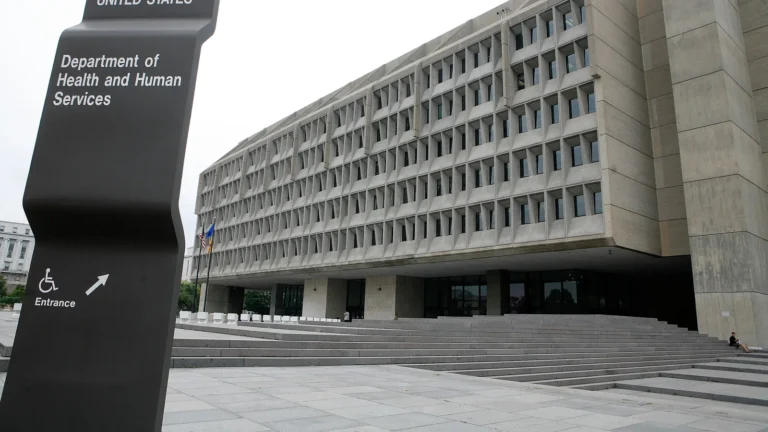
The FDA’s relationship with orphan drug developers is best described as "complex." While the agency remains the gold standard for safety and efficacy, the regulatory bar is moving.
The Shift in Evidentiary Standards
Regulatory experts point to a clear trend: the FDA is reducing administrative burdens in some areas while simultaneously raising the bar on evidentiary standards. This is particularly evident in the field of cell and gene therapies. Recent regulatory decisions indicate that the agency is no longer satisfied with marginal data. Companies must demonstrate robust trial designs, identify appropriate endpoints, and present a crystal-clear regulatory strategy early in the development phase.
The Impact of the IRA
The 2025 IRA amendments serve as a significant "official" win for the industry. By creating exemptions for multi-indication orphan drugs, the policy acknowledges that rare disease treatments often evolve to treat multiple variants or related conditions. This protection prevents the "disincentive" of price negotiation, ensuring that companies can continue to invest in the potential of a drug long after its first indication is approved.
Implications for the Future
As we look toward 2032, the orphan drug market faces a unique paradox: while the absolute value of the sector is exploding, its relative share of the total pharmaceutical market may face a temporary contraction.
The "Big Drug" Competition
Evaluate forecasts suggest that orphan drugs’ share of total prescription drug sales will likely dip from a peak of 30% in 2027 to 22% by 2032. This is not a sign of failure, but rather a reflection of the massive, explosive growth in mass-market therapies—specifically GLP-1 agonists. These treatments are expanding rapidly from diabetes and obesity into cardiovascular and autoimmune spaces, effectively "crowding" the market with massive volume-based growth.
The Role of Technology
The long-term success of the orphan sector will depend on its ability to utilize the next generation of scientific tools. With more than 95% of rare diseases currently lacking an approved treatment, the growth runway is immense. The integration of data science, AI-enabled drug discovery, and advanced genomics is doing more than just identifying new targets; it is drastically reducing development risk.
For the rare disease developer, the implication is clear: success will be found at the intersection of precision medicine and high-efficiency trial design.
Global Pricing Pressures
The rise of China as a hub for orphan drug development introduces a new variable. While this expands the global toolkit for rare diseases, it also brings the potential for increased price competition. If China-licensed molecules begin to saturate the global market, Western developers may face sustained pricing pressure, forcing a transition from a model based on "exclusive niche pricing" to one focused on "value-based efficiency."
Conclusion
The orphan drug sector stands at a crossroads. It has successfully moved from the periphery to the core of the pharmaceutical industry. While the sector must now compete with the sheer scale of mass-market chronic disease blockbusters, its fundamental value proposition remains unchanged: it provides life-saving therapies to the most vulnerable populations.
With policy support, technological tailwinds, and a robust late-stage pipeline, the orphan drug market is not merely a subset of the industry—it is the laboratory where the future of medicine is being written. As long as developers remain disciplined in their regulatory strategies and patient-focused in their innovation, the "orphan" label will continue to be a hallmark of some of the most profitable and impactful medicines in the world.
For those interested in the granular details of these projections, including a full breakdown of top companies by orphan sales and the specific NPV rankings of late-stage assets, the full Evaluate Orphan Drugs report is available for download at Evaluate’s Thought Leadership portal.