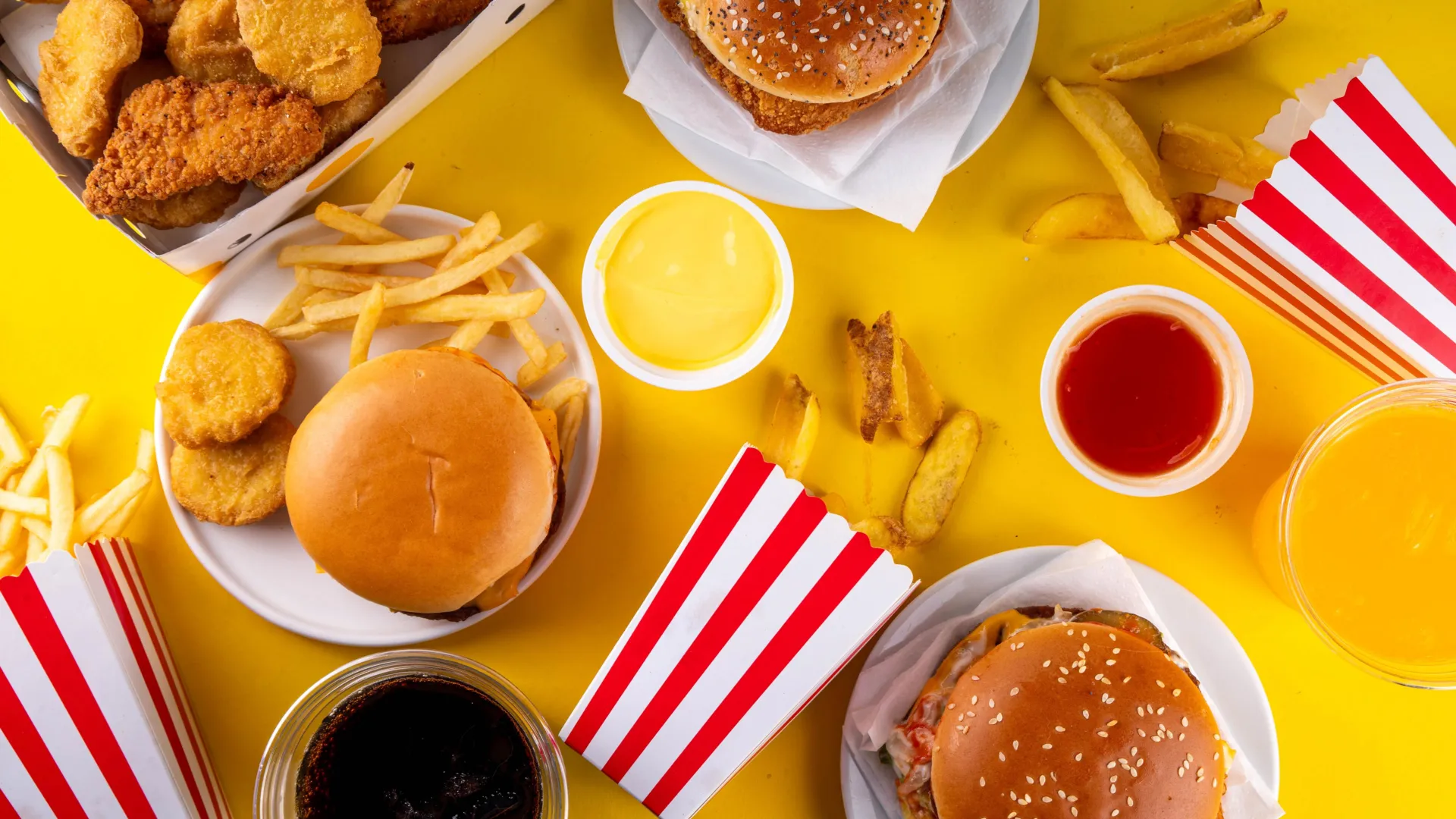
In a landmark consensus statement that marks a significant pivot in nutritional science, leading cardiologists are calling for a fundamental reassessment of how the medical community approaches heart health. According to a new, comprehensive report published in the European Heart Journal, the consumption of ultra-processed foods (UPFs) is no longer merely a matter of poor nutritional choices; it is a clinical risk factor that requires urgent, systematic intervention by healthcare providers worldwide.
The report, which synthesizes the most robust evidence to date, suggests that the prevalence of UPFs—industrial products engineered from cheap, highly refined ingredients and synthetic additives—is a primary driver of the global cardiovascular disease epidemic. As these products continue to displace traditional, whole-food diets, experts are urging a transition from a focus on individual nutrients, such as fats and sugars, toward a broader understanding of how the very structure and processing of food affects human biology.
The Anatomy of the Crisis: Defining Ultra-Processed Foods
To understand the gravity of the findings, one must first distinguish UPFs from merely "processed" foods. While traditional processing—such as freezing, fermentation, or canning—has been a part of human history for centuries, ultra-processing is a modern industrial phenomenon.
UPFs are defined by the NOVA classification system as formulations of ingredients, mostly of exclusive industrial use, that typically include flavor enhancers, colorings, emulsifiers, and sweeteners. These items are designed to be hyper-palatable, convenient, and shelf-stable. They are often stripped of fiber and micronutrients, reconstructed with synthetic additives, and packaged in ways that encourage overconsumption.
"UPFs have largely replaced traditional diets," explains Professor Luigina Guasti of the University of Insubria, one of the lead authors of the consensus statement. "They are not just ‘junk food.’ They are scientifically engineered products that alter the body’s metabolic responses in ways we are only beginning to fully comprehend."
Chronology of a Public Health Wake-Up Call
The path to this clinical consensus has been paved by a decade of mounting alarm within the scientific community.
- 2014–2018: The Emergence of the UPF Concept: The term "ultra-processed" gained traction through the work of researchers like Carlos Monteiro, who challenged the reductionist view that nutrients alone define health.
- 2019–2021: Building the Observational Evidence Base: Large-scale epidemiological studies, such as the NutriNet-Santé cohort in France, began showing consistent links between high UPF intake and increased risk of obesity, metabolic syndrome, and cancer.
- 2022: Global Recognition: International health organizations began formally referencing UPFs as a specific category of dietary concern, moving away from simple "fat-is-bad" or "sugar-is-bad" messaging.
- 2024: The Clinical Consensus: The European Society of Cardiology’s Council for Cardiology Practice and the European Association of Preventive Cardiology released their formal statement, effectively codifying the link between UPFs and cardiovascular mortality. This move shifted the discourse from "nutritional research" to "clinical cardiology practice."
Supporting Data: The Mechanism of Harm
Why exactly do these foods damage the heart? According to Dr. Marialaura Bonaccio of IRCCS NEUROMED, the associations are not merely coincidental—they are "biologically plausible."
The Metabolic Disruption
UPFs are engineered to bypass the body’s natural satiety signals. Because they are often "pre-chewed" (soft in texture), they are consumed faster, leading to rapid blood glucose spikes. Over time, this chronic insulin demand exhausts the body’s metabolic machinery, directly contributing to Type 2 diabetes and hypertension.
Inflammation and the Microbiome
Beyond the macronutrients, the additives—emulsifiers, stabilizers, and artificial sweeteners—are now under intense scrutiny. Research suggests these compounds can alter the composition of the gut microbiome, leading to systemic, low-grade inflammation. Chronic inflammation is a known precursor to atherosclerosis, the process by which plaque builds up in the arteries, eventually leading to heart attacks and strokes.
The "Healthy Halo" Trap
One of the most alarming findings in the report is that many foods marketed as "healthy" or "low-fat" actually fall under the ultra-processed category. A "low-fat" yogurt filled with thickeners, artificial sweeteners, and stabilizers may carry a lower caloric count but still triggers the same inflammatory and metabolic responses as less "health-conscious" UPFs. The report warns that consumers are being misled by labels that emphasize a single positive nutrient while ignoring the ultra-processed nature of the product.
Official Responses: A Call to Arms for Clinicians
The clinical consensus statement is not just a document for academics; it is a set of instructions for the doctor’s office. The authors argue that doctors have been inadequately trained to address diet beyond the rudimentary "eat more vegetables, less salt" mantra.
Integrating Diet into Routine Practice
The authors recommend that cardiologists and primary care physicians adopt a new protocol:
- Direct Inquiry: Ask patients specifically about the consumption of ultra-processed items, rather than just asking about "diet."
- Education: Help patients identify hidden UPFs, such as industrial bread, sugary breakfast cereals, pre-packaged ready meals, and flavored yogurts.
- Holistic Management: Treat UPF consumption as a lifestyle risk factor on par with smoking or physical inactivity.
"We hope that this consensus statement will help doctors recognize UPFs as a potential risk factor," says Professor Massimo Piepoli of the University of Milan. "Integrating UPF awareness into routine medical care could improve a patient’s health without adding significant cost or time to the consultation."
Implications: A New Era of Food Policy
The report acknowledges that individual willpower is insufficient to combat a food environment that is saturated with UPFs. The authors are calling for a multi-pronged approach that extends beyond the clinic.
The Case for Regulation
The experts argue that the burden of health should not rest solely on the consumer. They are advocating for:
- Clearer Labeling: Standardized, mandatory front-of-package warnings that identify products as ultra-processed, regardless of their fat or sugar content.
- Government Regulation: Restrictions on the marketing of UPFs, particularly to children, and potential fiscal policies like taxes on ultra-processed goods to subsidize the cost of fresh, whole foods.
- Policy Reform: Updated dietary guidelines that explicitly warn against the consumption of UPFs, moving away from nutrient-focused guidelines that often ignore the degree of industrial processing.
The Need for Future Research
While the current evidence is overwhelming, the authors remain rigorous. They note that the vast majority of current data is observational. "We need long-term intervention trials to test whether reducing UPFs improves cardiovascular health," says Dr. Bonaccio. "Future studies must focus on specific additives and the ‘food matrix’—how the physical structure of food affects our health."
Conclusion: A Shift in Paradigms
For decades, the medical community’s advice on heart health has been dominated by the fear of dietary cholesterol and saturated fats. While these remain important, the European Heart Journal report suggests we have been looking at the wrong culprit. The rise of heart disease in the modern era is mirrored by the rise of the ultra-processed food industry.
The message to the public is clear: focus on the degree of processing rather than just the caloric density. If a food item has a long list of unpronounceable ingredients, it is likely doing more than just providing calories—it is actively interfering with cardiovascular health.
As Professor Licia Iacoviello of LUM University concludes, "The research has been accumulating for a decade. We now have enough evidence to act. Preventing disease should not focus solely on nutrients, but on the very nature of what we eat. Moving back toward whole, minimally processed foods is not just a lifestyle trend—it is a medical necessity for the survival of our hearts."