










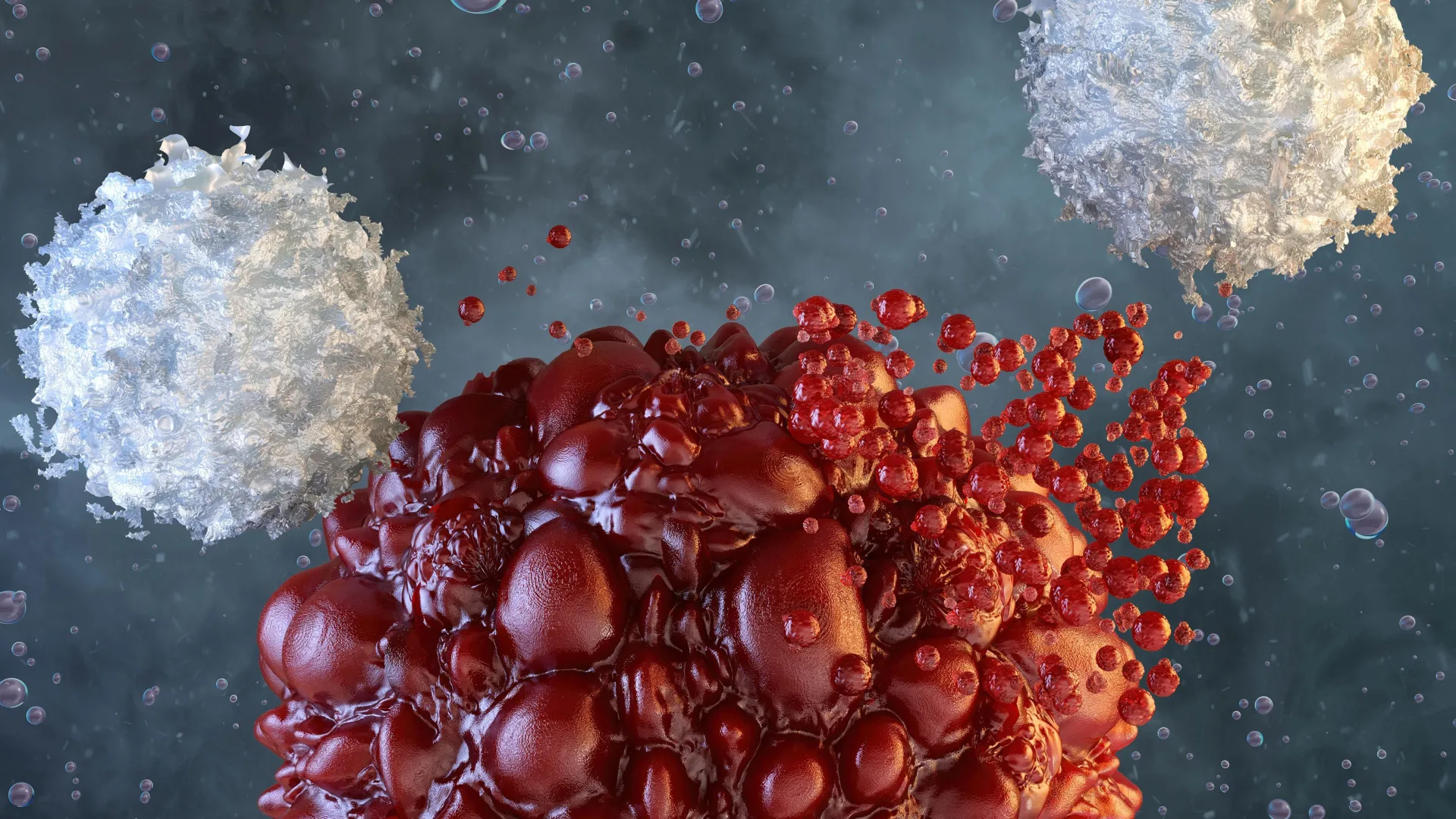
In the ongoing war against cancer, the human immune system remains our most sophisticated weapon. Among its elite infantry are Natural Killer (NK) cells—specialized lymphocytes that act as the body’s first responders, patrolling the bloodstream to identify and destroy virus-infected or malignant cells. However, tumors are masters of deception, often erecting molecular shields that render these defenders ineffective.
A groundbreaking study published in EMBO Reports in April 2026 by researchers at McGill University’s Rosalind & Morris Goodman Cancer Institute and the Research Institute of the McGill University Health Centre (RI-MUHC) offers a transformative solution. By temporarily disabling two specific proteins, the team has successfully "unleashed" NK cells, enabling them to pierce tumor defenses and eliminate aggressive cancers. This discovery promises not only a more potent form of immunotherapy but a faster, safer, and more scalable model for clinical treatment.
The Science of Suppression: Unlocking the NK Cell’s Potential
At the heart of the research lies the identification of two specific proteins—PTPN1 and PTPN2. These proteins act as internal "brakes" on NK cells, limiting their activation and making them susceptible to the immunosuppressive environments created by tumors.
When a tumor develops, it frequently releases signaling molecules like TGF-β1, which effectively silences immune cells. Simultaneously, the tumor creates a landscape where growth signals, such as IL-2, are rendered ineffective. The research team, led by Distinguished James McGill Professor Michel L. Tremblay, discovered that by using small-molecule inhibitors to block PTPN1 and PTPN2, they could effectively cut these molecular brakes.
The result is a "supercharged" NK cell. In preclinical models, these enhanced cells displayed an extraordinary ability to hunt down and destroy human cancer cells, including those derived from glioblastoma, kidney cancer, triple-negative breast cancer, and various forms of leukemia.
A New Paradigm: Safety Through Reversibility
One of the most significant hurdles in modern oncology has been the reliance on permanent genetic engineering. Conventional therapies, such as CAR-T cell therapy, involve extracting a patient’s T-cells, genetically modifying them in a lab to target specific tumor antigens, and reintroducing them into the body. While revolutionary, this process is fraught with risks. Permanent genetic alteration can lead to "off-target" effects that are difficult to manage or reverse if the immune system begins attacking healthy tissue.
The McGill approach represents a paradigm shift. Rather than editing the genetic code of the immune cells, the team utilized small-molecule drugs to temporarily modulate the NK cells’ activity.
"Because the changes are reversible, we believe this strategy offers a significantly safer and more controllable form of immunotherapy," the researchers noted. This "on-demand" activation ensures that the immune system’s intensity can be modulated, providing a vital safety net that permanent genetic engineering cannot offer.
From Bench to Bedside: Solving the Scalability Crisis
Beyond efficacy and safety, the study addresses the logistics of modern medicine. Current cell-based immunotherapies are notoriously expensive and labor-intensive, often requiring weeks of processing time to tailor cells to a specific patient. This lag time can be fatal for patients with rapidly progressing, aggressive malignancies.
The McGill team’s methodology changes the supply chain. By utilizing umbilical cord blood—a rich, readily available source of immune cells—the researchers at the Cellular Therapy Laboratory, under the leadership of Pierre Laneuville and Linda Peltier, have developed a "plug-and-play" system.
The laboratory has mastered the art of isolating, culturing, and cryopreserving these donated NK cells. Because these cells do not require the same degree of patient-specific customization as traditional T-cell therapies, they can be stored in advance and administered to patients immediately upon diagnosis. This approach transforms immunotherapy from a bespoke, weeks-long medical procedure into an off-the-shelf therapeutic product, drastically reducing costs and increasing accessibility for a broader patient population.
Official Responses and Clinical Aspirations
The implications for clinical practice are profound, particularly for patients who have exhausted standard chemotherapy and radiation.
"This approach is particularly promising for patients who currently have very few options, when standard treatments have failed," said Dr. Michel L. Tremblay. His sentiment is echoed by Dr. Chu-Han Feng, a lead research scientist on the project.
"This approach will make immunotherapy at the McGill University Health Centre faster, safer, and more affordable," Dr. Feng explained. "It avoids the complex process of customizing cells and uses readily available drugs to reversibly enhance NK cells’ anti-tumor activities."
The team is now laser-focused on the next phase: human clinical trials. The primary target for the initial human studies is acute myeloid leukemia (AML), an aggressive and often deadly blood cancer characterized by high relapse rates and limited therapeutic options. While the scientific foundation is robust, the path to the clinic remains subject to regulatory approval and the acquisition of necessary funding.
Chronology of the Research Journey
The development of this therapy was not an overnight success but the result of years of rigorous investigation:
- Initial Discovery: Researchers identified the PTPN1/PTPN2 protein pathway as a critical negative regulator of immune cell function within the tumor microenvironment.
- Preclinical Validation: The team transitioned to in vitro and in vivo models, confirming that inhibiting these proteins did not compromise cell viability but did significantly enhance their cytotoxicity against diverse tumor types.
- Optimization of Delivery: The collaboration with the Cellular Therapy Laboratory allowed the team to integrate umbilical cord blood processing, proving that the enhanced cells could be maintained in a ready-to-use format.
- Publication: The full findings were codified in the peer-reviewed journal EMBO Reports in April 2026, setting the stage for future regulatory filings.
Implications for the Future of Oncology
The broader significance of this research extends beyond the treatment of a single cancer type. By focusing on the inherent "brakes" of the immune system, the McGill study suggests that we can tune the immune response to handle a variety of "cold" tumors—those that are typically invisible to the body’s defenses.
If clinical trials prove successful, the "off-the-shelf" nature of this therapy could democratize access to advanced cancer care. Currently, the prohibitive cost of personalized cell therapies limits their availability to top-tier academic medical centers in wealthy nations. By simplifying the manufacturing process, this new NK cell approach could eventually be integrated into standard hospital care, potentially saving thousands of lives annually.
Acknowledgments and Funding
The success of this study was made possible through the collaborative efforts of numerous organizations and the generosity of the public. The researchers specifically acknowledged the mothers who volunteered to donate cord blood, without which the study would not have been possible.
Financial support for the project was provided by a coalition of organizations committed to accelerating cancer research, including:
- The Canadian Institutes of Health Research Foundation
- The McGill University Health Centre Foundation
- The Jeanne and Jean-Louis Levesque Foundation
- The Richard and Edith Strauss Foundation
- The Cedars Cancer Foundation
- Genome Canada/Genome Quebec (via a GAPP grant)
Conclusion
As the medical community looks toward the next decade of cancer treatment, the focus is shifting from "killing" cancer to "empowering" the body to do it for us. The research from McGill University provides a compelling blueprint for this transition. By balancing the need for potent, rapid-response therapy with the necessity of safety and affordability, Dr. Tremblay and his team have moved the goalposts in the fight against aggressive malignancy.
While the road to clinical approval is never simple, the promise of this therapy—a faster, safer, and more accessible way to harness the body’s own natural defenses—offers a beacon of hope for patients facing the most challenging of diagnoses.