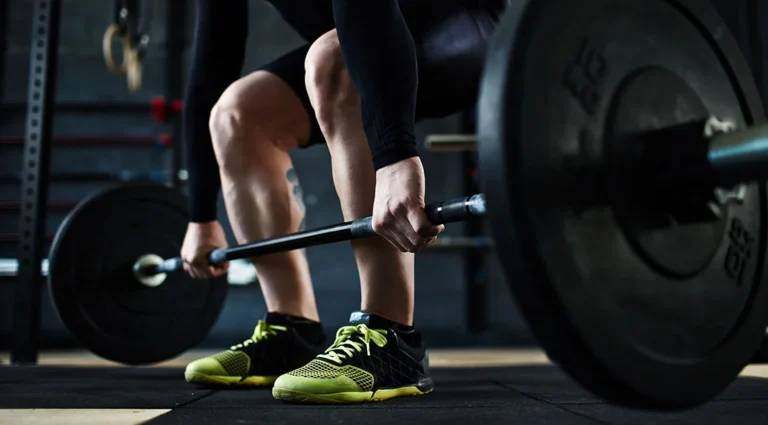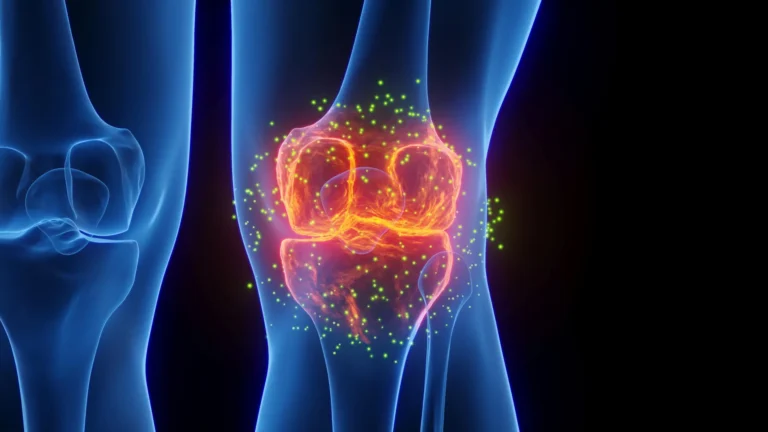





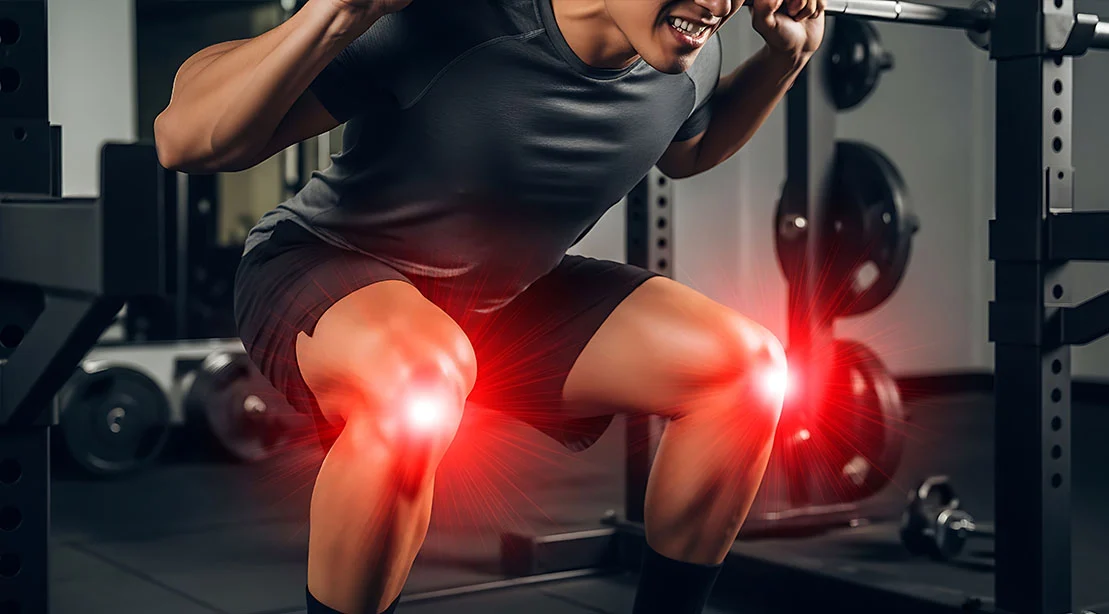
The barbell back squat has long held its position as the undisputed "king of the gym." It is a fundamental movement pattern that builds unparalleled levels of raw strength, hypertrophic muscle mass, neuromuscular coordination, and lower-body power. From elite powerlifters to weekend warriors, the squat serves as the benchmark for physical resilience. However, for a significant portion of the lifting population, the squat is not a path to progress—it is a source of acute frustration. When knees begin to "bark," the functional benefits of the movement are quickly overshadowed by sharp, persistent discomfort.
For many, the pain is localized: some feel it during the precarious descent into the hole, while others experience it on the ascent. This leads to the all-too-common gym floor mantra: "Squats are just bad for your knees." But in the world of sports science and physical therapy, this is widely considered a misnomer. The issue is rarely the squat itself, but rather the execution of the movement, the individual’s biomechanical profile, or a failure to address mobility constraints.
The Anatomy of a Squat Breakdown: Why It Hurts
To understand why squats cause knee pain, one must look at the chain of movement. Knee pain is often a "symptom" rather than a "cause." It is frequently the result of the body attempting to compensate for weaknesses elsewhere.
1. Mobility Deficits
If your ankles lack dorsiflexion, your body will compensate by shifting weight inappropriately, often forcing the knee to take on excessive shearing force. Similarly, limited hip internal or external rotation can cause the knees to cave inward—a phenomenon known as valgus collapse—which puts immense stress on the medial ligaments of the knee.
2. The "Good Morning" Squat
A common technical breakdown occurs when the hips rise faster than the chest during the ascent. This shifts the load from the quads and glutes directly onto the lower back and creates an unstable knee position. By failing to keep the torso vertical, the lifter loses the intended mechanics of the squat, forcing the knee joint to stabilize a load that it was never designed to handle at that angle.
3. Anatomical Mismatch
Not every human body is built to perform a high-bar, narrow-stance back squat. Individual hip architecture—specifically the depth and orientation of the acetabulum (hip socket)—determines the optimal stance width and foot angle. Forcing a "textbook" stance on a body that doesn’t accommodate it is a recipe for joint inflammation.
Chronology of Correction: Three Steps Before You Quit
Before abandoning the squat rack, it is vital to audit your training. Most knee pain can be mitigated through a sequence of small, intentional adjustments.
Step 1: The Tactical Heel Lift
The most immediate fix for limited ankle mobility is elevation. By placing weightlifting shoes, squat wedges, or small plates under your heels, you artificially increase your range of motion. This allows the knees to track forward more naturally, reducing the need for the torso to pitch forward to maintain balance. The result is a more vertical, spine-friendly, and knee-efficient squat.
Step 2: The Tempo Reset
Lifters often fall into the trap of ego-lifting. If your form breaks down, it is a signal that the load has exceeded your current stability threshold. By reducing the weight and slowing the eccentric (lowering) phase—counting to three or four on the way down—you force the body to develop control. A slow, controlled descent reinforces proper motor patterns and allows the muscles to absorb the force, rather than the joints.
Step 3: Stance and Depth Re-Evaluation
The "ass-to-grass" dogma is not universal. Some lifters find that a slightly wider, toes-out stance relieves the impingement at the hip, which in turn fixes the knee tracking. Alternatively, using a box to squat to a specific, pain-free depth can eliminate the "bounce" at the bottom of the movement, where most knee irritation occurs.
Supporting Data: Selecting the Right Alternatives
When the barbell squat remains inaccessible, the objective shifts from "pushing through" to "training around." A proper alternative must satisfy three criteria:
- Quad and Glute Emphasis: It must prioritize the primary movers.
- Reduced Compressive Load: It should minimize the direct shear forces on the knee joint.
- Controlled Range of Motion: It must allow for progressive overload without forcing the joint into painful ranges.
The Belt Squat: The Gold Standard for Spine and Knee Relief
The belt squat has gained massive popularity because it removes the barbell from the equation entirely. By attaching the weight to a belt around your hips, the load is directed straight down through the legs, effectively bypassing the spine.
- Why it works: It allows for a more upright torso, which places the majority of the stress on the quads and glutes. Because the weight is fixed, it provides a stable platform that encourages confidence in the bottom position.
Reverse Sled Drags: The Recovery Tool
Often ignored as a "cardio" tool, the reverse sled drag is arguably the best knee-health exercise in the gym.
- Why it works: It creates a massive concentric-only stimulus for the quads. Because there is no eccentric (lowering) phase, there is minimal stress on the patellar tendon. The constant tension drives blood flow into the knee joint, which can act as a potent analgesic and aid in tendon healing.
Front Squat to a Box
The front-loaded position is a corrective masterclass. Because the weight is in front of the body, it is physically impossible to lean too far forward without dropping the bar.
- Why it works: The box acts as a safety governor, preventing the lifter from going too deep and potentially irritating the knee. It forces a vertical shin angle, which minimizes the "knee-over-toe" pressure that often exacerbates meniscus or patellar issues.
The Spanish Squat
Using a heavy resistance band anchored behind the knees, the Spanish squat is a specialized tool for those with severe patellar tendonitis.
- Why it works: The band pulls the knees forward, which provides an isometric counter-balance. This allows the lifter to keep their shins perfectly vertical while sitting back into the squat. It is arguably the most "knee-friendly" quad-dominant exercise available.
Front-Foot Elevated Split Squat
Bilateral squats (using both legs) often mask unilateral imbalances. If one leg is weaker, the other compensates, which can cause the knee to rotate and hurt.
- Why it works: By elevating the front foot, you increase the range of motion for the hip. This targets the glute more effectively and forces the working leg to stabilize independently, correcting the imbalances that lead to pain in the first place.
Implications: The Long-Term View
The long-term implication for the athlete is clear: Training through pain is a shortcut to injury, but training around pain is a path to longevity.
The goal of any intelligent strength program is not to perform a specific exercise at all costs, but to elicit a specific physiological response. If your knees are limiting your output, it is a signal from your biology that the current stimulus is suboptimal. By integrating these alternatives, you are not admitting defeat; you are applying the principles of periodization and injury prevention.
Modern coaching now emphasizes the "pain-free window." If you can perform a variation—such as a belt squat or a box squat—that keeps your muscles under tension without inducing joint inflammation, you are still building the capacity to return to the back squat in the future. Once the inflammation subsides and the mobility issues are addressed via the exercises mentioned above, many lifters find they can return to the barbell with better mechanics and significantly less pain than before.
Ultimately, the gym should be a place of empowerment. Do not allow a lack of variety or a dogmatic attachment to the barbell to dictate your physical health. Use the data, assess your mechanics, and adjust your programming to ensure that you are still hitting the rack ten, twenty, or thirty years from now.