1 August 2026
As the global medical community observes World Lung Cancer Day, a sobering reality underscores the occasion: lung cancer remains the most formidable adversary in oncology, responsible for more deaths annually than any other malignancy. While medical science has ushered in an era of precision medicine and targeted therapies, the clinical efficacy of these advancements remains tethered to the timing of diagnosis. Today, the Forum of International Respiratory Societies (FIRS), including the European Respiratory Society (ERS), has issued a clarion call to action, demanding a fundamental shift in how the world approaches the detection and screening of this silent, lethal disease.
The Global Burden: A Statistical Crisis
The scale of the crisis is profound. According to the most recent data verified by the World Health Organization (WHO), 2022 saw approximately 2.5 million new diagnoses of lung cancer worldwide. Even more devastating is the mortality rate: an estimated 1.8 million lives were claimed by the disease in that same period.
These figures represent more than just numbers; they signify a systemic failure to reach patients while the disease remains localized and treatable. In many regions, the diagnostic journey is fraught with delays. Patients frequently present with symptomatic disease—often characterized by chronic cough, dyspnea, or hemoptysis—only after the cancer has metastasized or reached an advanced stage. At this late juncture, the curative potential of surgery, radiation, and even advanced immunotherapy is drastically diminished.
Chronology: The Evolution of Lung Cancer Management
To understand the urgency of the 2026 mandate, one must look at the historical progression of thoracic oncology and screening protocols.
- Pre-2010s: Diagnostic strategies were largely reactive. Patients were diagnosed following the onset of symptoms, leading to a "late-stage dominance" in clinical outcomes.
- 2011–2015: The publication of the National Lung Screening Trial (NLST) results marked a paradigm shift. It provided robust evidence that low-dose computed tomography (LDCT) could reduce lung cancer mortality by approximately 20% in high-risk populations.
- 2016–2020: The "Implementation Era." Several high-income nations began to integrate LDCT into national health guidelines, though uptake remained uneven. Global health organizations began drafting standardized criteria for high-risk screening.
- 2021–2025: The era of technological integration. Artificial Intelligence (AI) began to assist radiologists in identifying nodules, potentially reducing false positives. However, the COVID-19 pandemic caused significant disruptions in routine screening programs, leading to a backlog of undiagnosed cases.
- 2026 (Present Day): The focus has shifted from clinical efficacy to "equitable access." The global respiratory community, spearheaded by FIRS, is now prioritizing the removal of structural barriers that prevent the most vulnerable populations from accessing lifesaving technology.
Supporting Data: Why Screening Saves Lives
The core of the current advocacy effort is the efficacy of Low-Dose Computed Tomography (LDCT). Unlike standard chest X-rays, which often miss early-stage lesions, LDCT provides detailed, cross-sectional images of the lungs, allowing for the identification of small, asymptomatic nodules.
The High-Risk Profile
Medical consensus identifies "high-risk" individuals primarily as long-term smokers or those with significant exposure to environmental carcinogens (such as radon or asbestos) and a relevant age profile (typically 50–80 years). When these individuals undergo annual LDCT, the probability of detecting stage I or stage II cancer increases significantly.
Survival Statistics
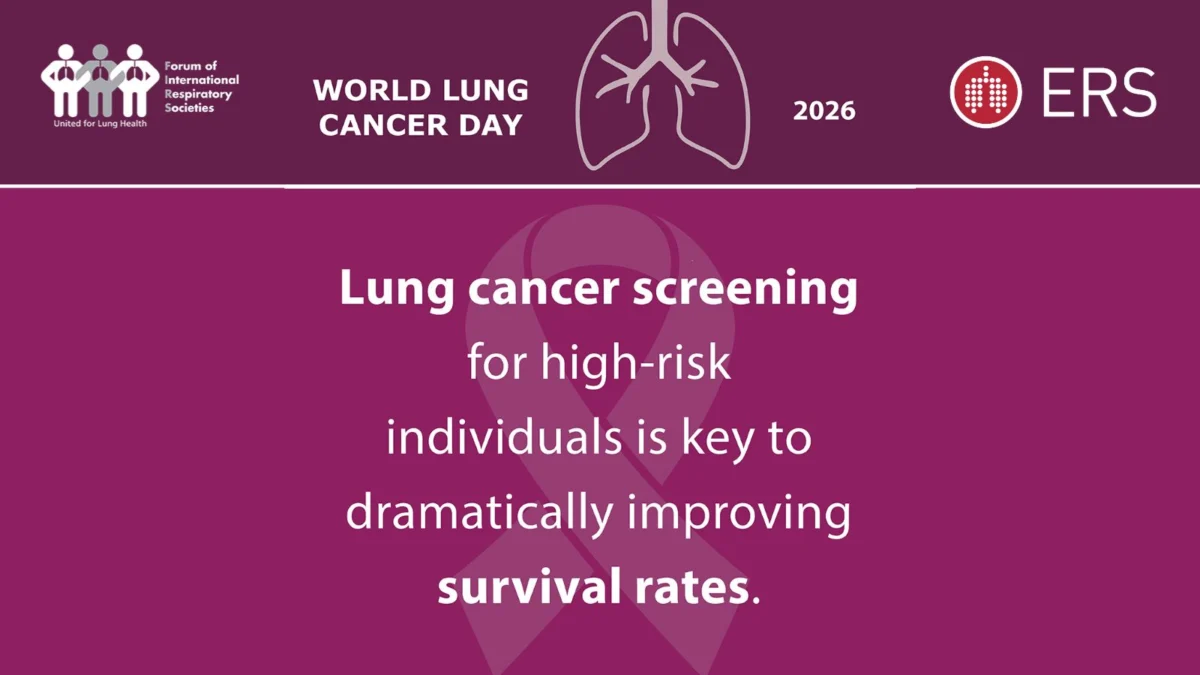
Research consistently shows that survival rates are inversely proportional to the stage of diagnosis. While patients diagnosed at stage IV have a five-year survival rate in the low single digits, those identified at stage I, when the tumor is small and contained, often see survival rates exceeding 80% or higher, depending on the histological subtype and available treatment.
However, data also reveals a "Diagnostic Divide." While a patient in a major metropolitan center in a G7 nation might have access to a state-of-the-art oncology unit, a patient in a rural or developing region may lack access to a CT scanner within a 200-mile radius. This disparity is not merely a matter of geography; it is a matter of healthcare policy and resource allocation.
Official Responses and The FIRS Call to Action
On this World Lung Cancer Day, FIRS has articulated a clear set of imperatives for governments, health systems, and clinicians. The organization emphasizes that clinical breakthroughs are worthless if the infrastructure for early detection is nonexistent.
The Call to Policymakers
FIRS urges governments to view lung cancer screening not as an elective medical expense, but as a mandatory public health investment. This includes:
- National Screening Programs: Implementing structured, organized screening programs rather than opportunistic testing.
- Infrastructure Investment: Subsidizing the acquisition and maintenance of CT scanning technology in underserved regions.
- Standardized Data Collection: Establishing national registries to track outcomes and refine high-risk criteria based on local environmental and demographic data.
The Call to Clinicians
For the medical community, the mandate is to minimize the "diagnostic interval"—the time elapsed between a patient’s first concern and the initiation of treatment. This involves improved physician education regarding the subtle, early warning signs of lung cancer and the proactive referral of patients to smoking cessation programs, which are essential adjuncts to screening.
Implications for Global Health Systems
The implications of failing to act are immense. Without a concerted global effort to scale up screening, the economic burden of lung cancer—encompassing lost productivity, prolonged hospitalizations, and the high cost of end-of-life care—will continue to balloon.
The Socioeconomic Impact
Lung cancer disproportionately affects lower-income demographics. By ignoring the need for equitable screening, health systems are inadvertently perpetuating a cycle of poverty and health inequity. The cost of screening is high, but the cost of treating late-stage, metastatic disease is exponentially higher.
The Role of Technological Innovation
The future of screening lies in the synthesis of human expertise and machine intelligence. AI-driven imaging analysis is currently being tested in pilot programs worldwide. By reducing the workload on radiologists and increasing the accuracy of nodule classification, AI could be the "great equalizer," allowing healthcare systems in resource-limited settings to provide high-quality diagnostic services.
Addressing Stigma
A critical, often overlooked aspect of the lung cancer crisis is the stigma associated with tobacco use. Many patients feel judged by the medical establishment, which can lead to delayed help-seeking behavior. FIRS emphasizes that lung cancer is a disease of all, and that the respiratory community must approach screening with empathy and a focus on harm reduction rather than moral judgment.
Conclusion: A New Era for Thoracic Health
As the sun sets on 1 August 2026, the message from the global respiratory community is unambiguous: we have the tools to change the narrative of lung cancer. We have the technology to move from a paradigm of palliative care to one of early, curative intervention.
The challenge for the coming year is not scientific; it is political and logistical. It requires the courage of policymakers to fund screening programs, the dedication of health systems to train personnel, and the commitment of the global community to ensure that "early detection" is not a privilege reserved for the wealthy, but a standard of care for all.
As we look toward the future, the goal is clear: to ensure that the 2.5 million people diagnosed with lung cancer are not merely statistics in a WHO report, but survivors of a disease that was caught in time. The survival of millions depends on our ability to turn these words into sustained, global action.
Reference Resources
- World Health Organization (WHO) Fact Sheet on Lung Cancer: https://www.who.int/news-room/fact-sheets/detail/lung-cancer
- Forum of International Respiratory Societies (FIRS) Annual Report on Thoracic Oncology (2026).
- European Respiratory Society (ERS) Clinical Guidelines on LDCT Screening.