






In an era of fluctuating inflation and rising grocery bills, the modern shopper has become increasingly discerning. Every trip to the supermarket involves a complex calculus: balancing the need for cost-effective staples with the desire for quality, flavor, and ethical sourcing. While many consumers are trading down to private-label goods to save money, a growing cohort of shoppers is identifying specific "non-negotiable" items—products where the jump in price delivers a disproportionate increase in satisfaction.
From the creamy indulgence of artisanal ice cream to the structural integrity of pure, grass-fed butter, certain pantry staples have earned a cult following. These are not merely luxury goods; they are culinary "force multipliers" that elevate simple home-cooked meals into something memorable. Based on insights from seasoned home cooks and consumer trends, here are five grocery items that experts and shoppers alike argue are worth every extra penny.
1. The Indulgence Factor: Jeni’s Boston Cream Pie Ice Cream
For many, dessert is the final frontier of grocery spending. While standard supermarket ice cream is often aerated and loaded with stabilizers, premium brands like Jeni’s Splendid Ice Creams represent a shift toward high-quality, dense, and flavor-forward experiences.
The Appeal of Premium Craftsmanship
Jeni’s Boston Cream Pie flavor is frequently cited by consumers as a "worth it" indulgence. The appeal lies in the texture—often described as superior to standard mass-market pints—and the complexity of the flavor profile.
Consumer Sentiment and the "Treat" Economy
Reddit users who frequent culinary forums have noted that while a pint of Jeni’s can cost upwards of $10, the experience feels more akin to visiting a local creamery than opening a freezer door. "It was stupid how delicious it was," one shopper remarked. The consensus among enthusiasts is that the high price point actually acts as a natural barrier to overconsumption. By treating it as a rare reward rather than a nightly habit, shoppers find they can justify the higher cost while simultaneously managing their health goals.
2. The Foundation of Flavor: Best Foods Real Mayonnaise
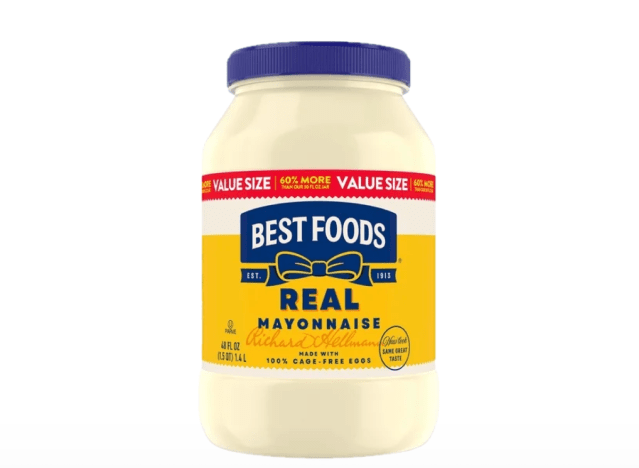
While mayonnaise may seem like a humble staple, it serves as the backbone for countless recipes, from potato salads to the perfect sandwich spread. The debate over which brand wears the crown is legendary, but Best Foods (known as Hellmann’s in certain regions) consistently rises to the top.
Regional Loyalty and Culinary Standards
In places like Hawaii, the loyalty to Best Foods is so profound that residents have been known to avoid restaurants that serve generic or alternative brands. This is not merely brand tribalism; it is a recognition of consistency. A quality mayonnaise provides a specific emulsion of oil, egg yolks, and acid that cheap, vinegar-heavy alternatives simply cannot replicate.
The Rise of International Alternatives
The conversation around high-quality mayo has also expanded to include Kewpie, the Japanese staple known for using only egg yolks and a unique blend of vinegars. As home cooks become more adventurous, the shift toward these premium versions signifies a move away from the bland, mass-produced staples of the 20th century in favor of products that provide a distinct, savory "umami" punch.

3. The Gold Standard: Kerrygold Grass-Fed Salted Pure Irish Butter
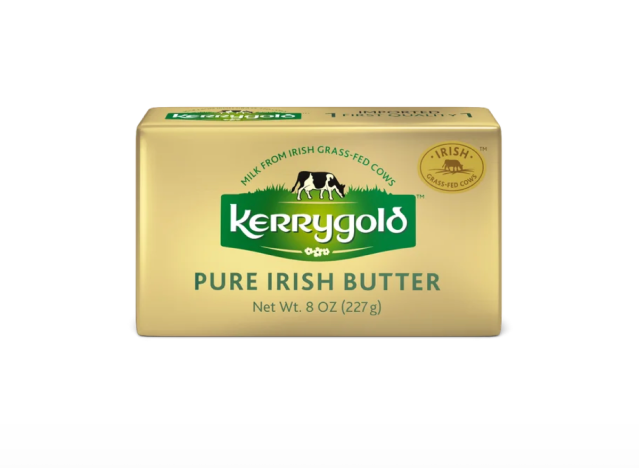
Butter is the invisible workhorse of the kitchen. Whether used for sautéing, baking, or simply melting over warm toast, its quality dictates the success of the dish. Kerrygold has successfully positioned itself as the gold standard for home cooks seeking a cleaner, more robust alternative to standard American butter.
The Problem with Additives
One of the primary complaints against generic butter brands is the prevalence of "natural flavors" and artificial additives. In a product that should fundamentally consist only of cream and salt, these additions strike many as unnecessary and potentially detrimental to the final flavor.
Why Grass-Fed Matters
The nutritional and sensory differences between conventional grain-fed butter and grass-fed, pasture-raised butter are significant. The latter is richer in beta-carotene, giving it a vibrant golden hue and a silkier mouthfeel. Because it is more accessible than many other premium, small-batch butters, Kerrygold has become the "everyman’s luxury," providing a massive upgrade to daily cooking without the astronomical price tag of artisanal farm-direct products.
4. The Protein Pivot: High-Quality Wild-Caught Salmon
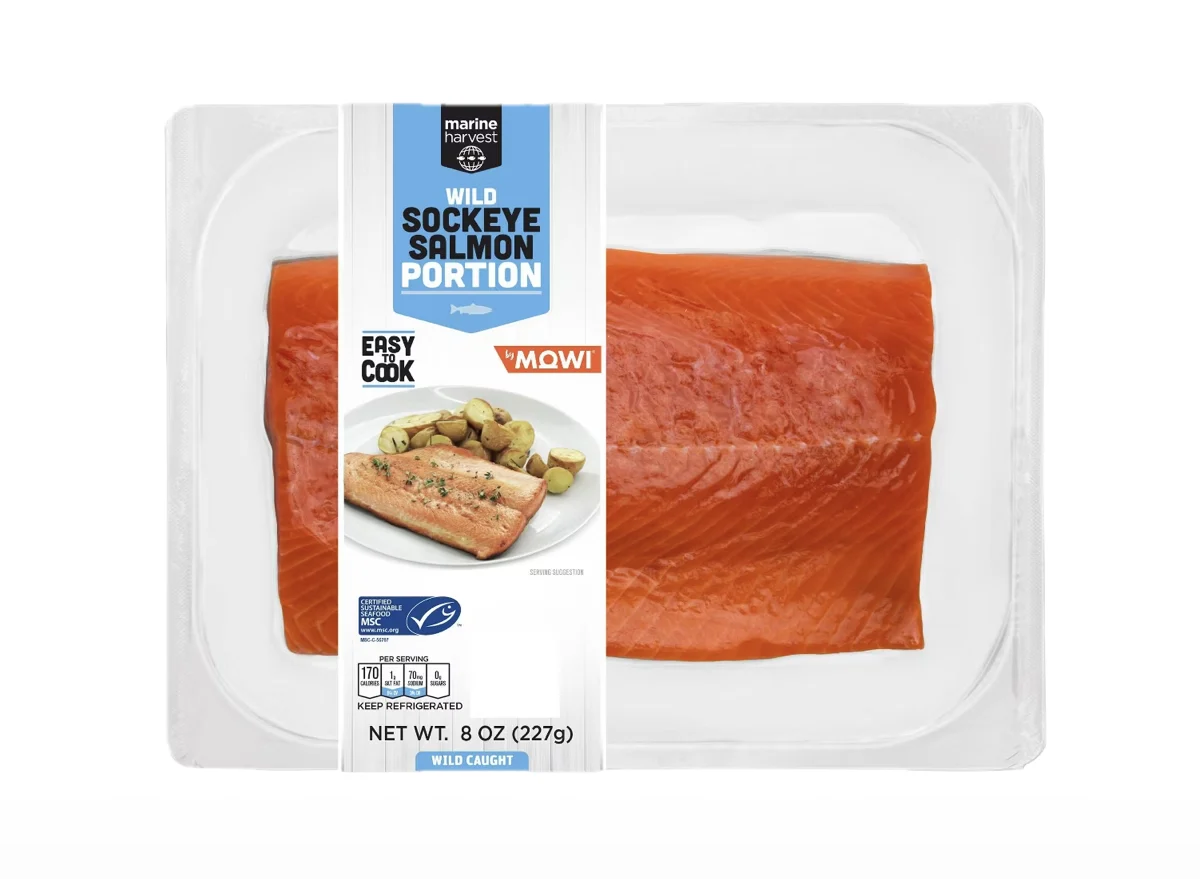
For many years, the salmon found in standard grocery stores was almost exclusively farmed, leading to a disconnect for consumers who expected a specific texture and flavor. The shift toward wild-caught Sockeye salmon—such as the Marine Harvest by MOWI portions found at retailers like Target—has been a revelation for many.
Texture and Color as Indicators of Quality
The difference between wild-caught and farmed salmon is immediate. Wild Sockeye boasts a deep, ruby-red color and a firm, lean texture that doesn’t "mush" when cooked. For many shoppers who previously believed they disliked fish, the transition to wild-caught varieties proved that their distaste was actually rooted in the poor quality of the product they were purchasing.
Health and Sustainability Implications
Beyond taste, the preference for wild-caught salmon is often tied to sustainability and nutritional density. Wild-caught fish are typically leaner and have a different fatty acid profile compared to farmed fish. While the price per pound is higher, shoppers find that the satisfaction of a superior meal—and the confidence in the product’s origin—makes the cost difference worthwhile.
5. The Natural Sweetener: Pure Maple Syrup
Perhaps the most universally agreed-upon "upgrade" in the grocery store is the transition from "pancake syrup"—usually a concoction of high-fructose corn syrup and artificial flavorings—to 100% pure maple syrup.
Economic Value of Quality
While a jug of pure maple syrup may appear expensive at first glance, the value proposition is high. Because pure syrup is significantly more potent and flavorful than its synthetic counterparts, users tend to consume much less of it per serving.
Smart Shopping Habits
Savvy shoppers have learned to bypass the small, overpriced bottles in the baking aisle and instead opt for larger, more cost-effective jugs found at warehouse clubs like Costco or Sam’s Club. Brands like Member’s Mark offer organic, pure maple syrup at prices that make the "luxury" of real syrup accessible for everyday use. As one shopper noted, it is an upgrade that improves everything it touches, from morning oatmeal to evening lattes, without breaking the bank if sourced strategically.
Implications: The Shift Toward Quality Over Quantity
The trend toward these five specific items highlights a broader shift in consumer behavior. We are moving away from the "buy in bulk, regardless of quality" mindset that defined the mid-2000s. Instead, there is a renewed focus on:
- Ingredient Integrity: Consumers are reading labels more closely than ever, avoiding products with long lists of unpronounceable additives.
- The "Little Luxuries" Strategy: Even during tight economic times, consumers are finding ways to treat themselves. By choosing to spend extra on a few high-impact ingredients, they maintain a high quality of life at home.
- Culinary Literacy: As platforms like Reddit, TikTok, and food blogs continue to democratize culinary knowledge, the average shopper is becoming more educated about what makes a product "better." They understand the difference between grass-fed and grain-fed, wild-caught and farmed, and artificial vs. natural.
A Concluding Thought
Investing in better groceries is not just about taste; it is about the intersection of health, ethics, and personal satisfaction. While the price tags on items like Jeni’s ice cream or Kerrygold butter may seem higher than their budget counterparts, the "value" is found in the reduction of waste, the improvement of daily meals, and the simple joy of consuming food that is crafted with care.
In a world where we cannot control the price of every item on the shelf, choosing to spend our money on products that truly enhance our daily lives is a powerful way to reclaim our culinary experience. Whether it’s a jar of the right mayonnaise or a bottle of pure maple syrup, these small upgrades serve as a reminder that the best food experiences are often found right in our own kitchens.