









Living with Ehlers-Danlos syndromes (EDS) or hypermobility spectrum disorders (HSD) presents a unique set of challenges that extend far beyond the clinical setting. From managing chronic joint subluxations and dysautonomia to coping with non-restorative sleep and sensory sensitivities, the daily reality for patients is often one of constant physical negotiation.
This month, we took an "up-close and personal" look at the daily routines of our team members. By sharing their favorite go-to supportive aids, we hope to provide both inspiration and practical strategies for those navigating the complexities of these connective tissue disorders. While these tools reflect individual experiences, they underscore a broader theme: the importance of proactive, adaptive, and patient-centered care.
The Landscape of Supportive Care: Main Facts
EDS and HSD are characterized by systemic connective tissue dysfunction, which frequently leads to joint hypermobility, tissue fragility, and multi-systemic comorbidities like dysautonomia and Mast Cell Activation Syndrome (MCAS). Because there is no "one-size-fits-all" treatment, patients often become experts in their own care, curating a "toolkit" of assistive devices and strategies to maintain function and quality of life.
The items highlighted by our team—ranging from ergonomic mobility aids to specialized sleep equipment—are not cures. Instead, they function as environmental adaptations designed to reduce the biomechanical burden on the body, manage pain signaling, and conserve energy.
A Chronology of Discovery: How Our Team Found Their "Game-Changers"
For many on our team, the journey to finding these aids was a years-long process of trial and error.
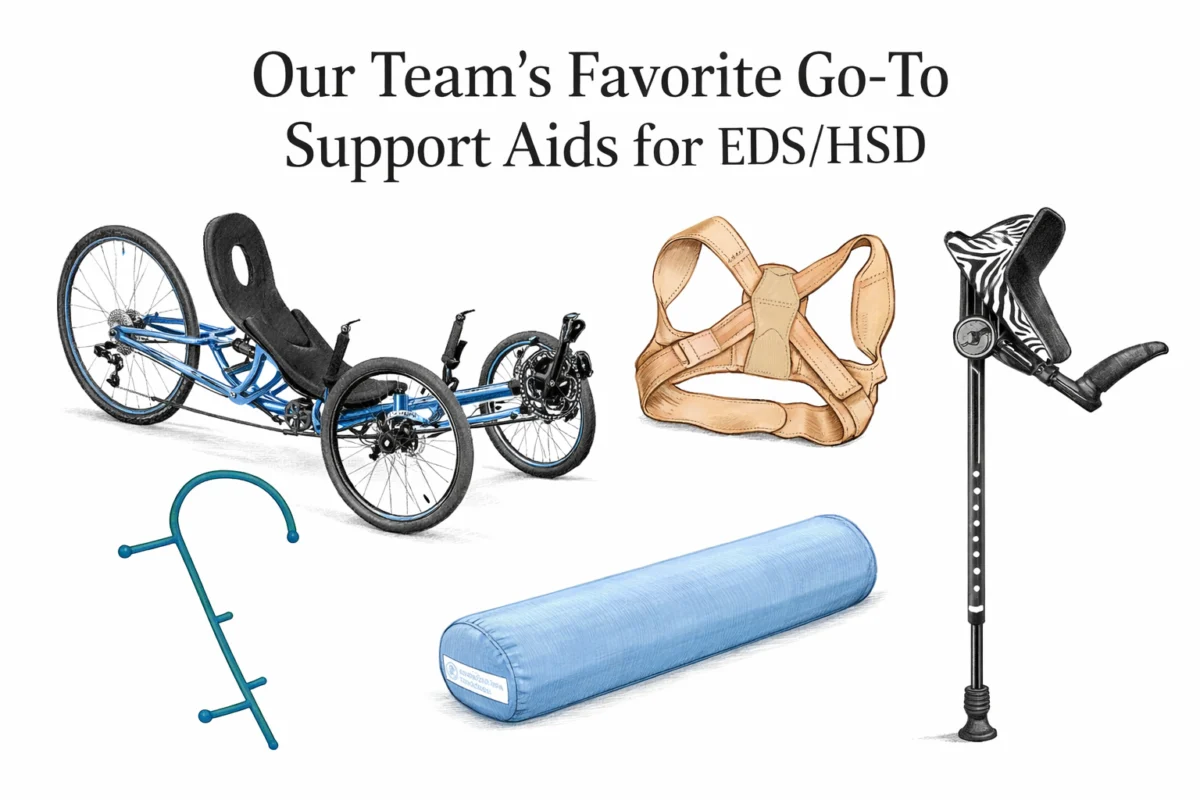
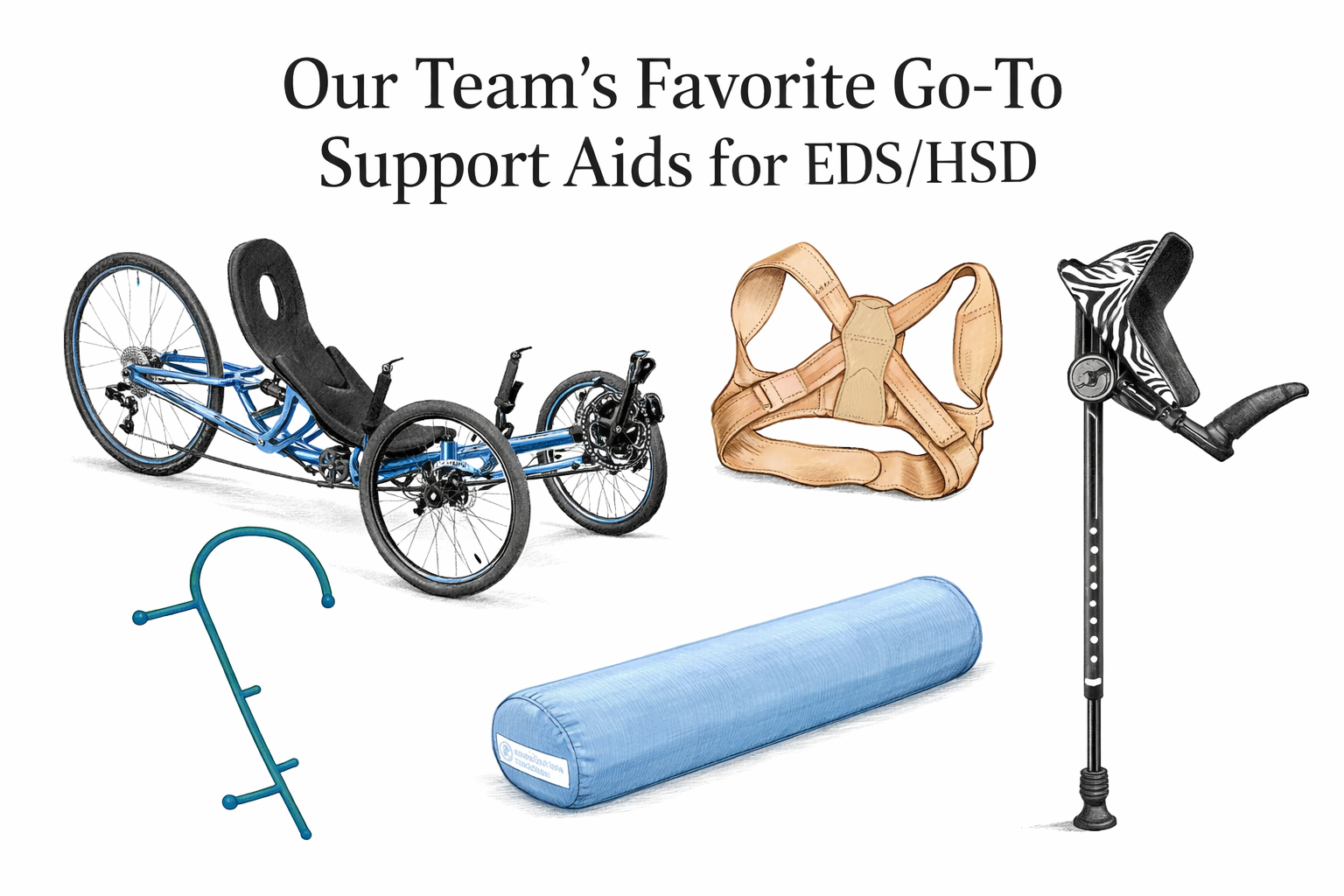
- Early Discovery (15–20 Years Ago): Team members like Jan discovered foundational tools such as the Thera Cane and Epsom salts through early pain management education and peer-to-peer recommendations long before their formal diagnosis.
- The Rise of Targeted Technology (2015–2020): Advancements in ergonomic design brought products like the SmartCRUTCH and the Body Braid into the mainstream, offering EDS patients alternatives to clunky, uncomfortable traditional medical equipment.
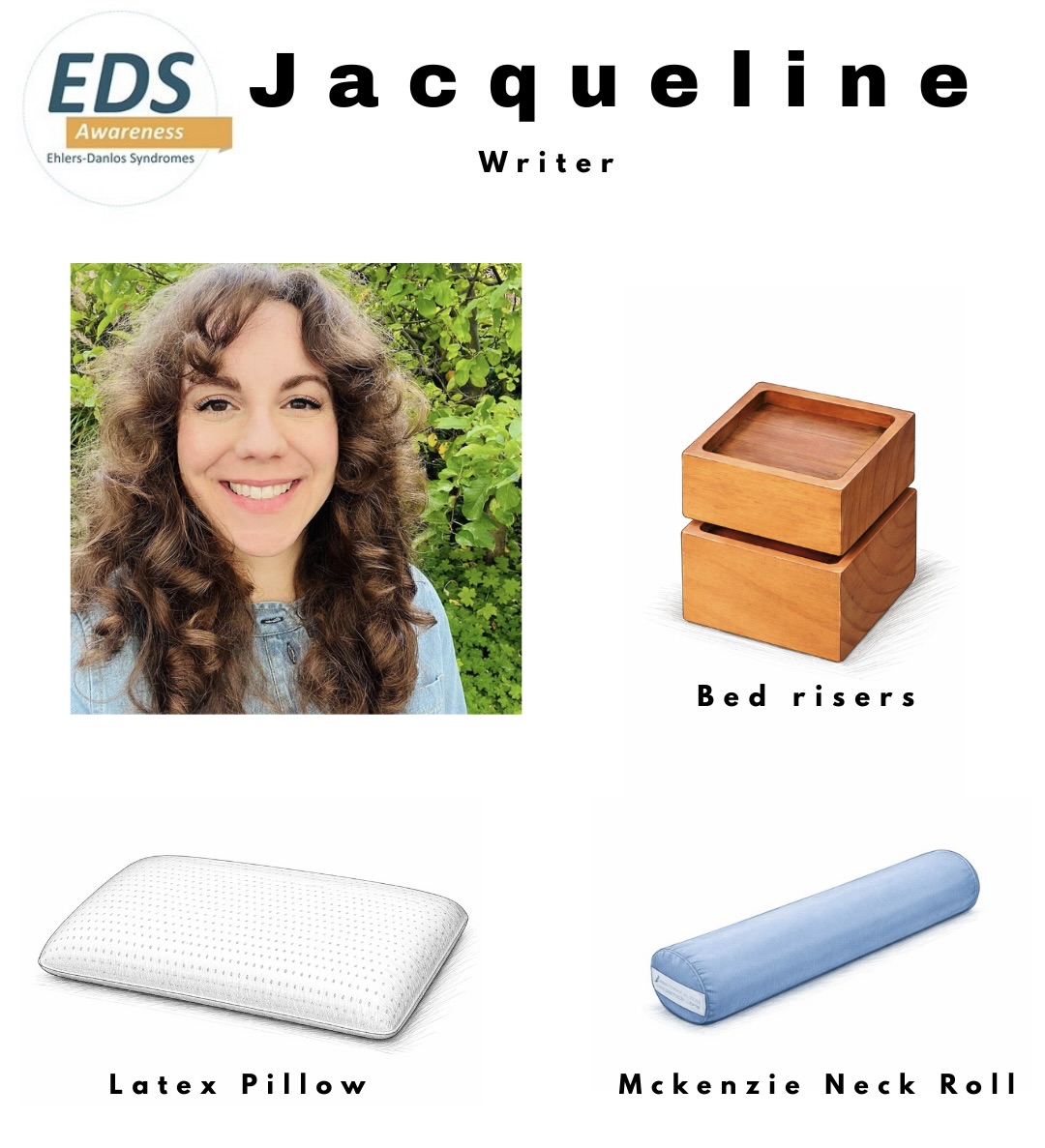
- Recent Clinical Integration (2020–Present): The last few years have seen a growing awareness of the link between connective tissue disorders and neurological complications, such as cerebral venous outflow disorders. This has led to the adoption of sleep-related interventions, such as bed risers and specialized pillows, which were previously overlooked in standard pain management protocols.
Supportive Data: Why These Tools Work
The effectiveness of these aids is rooted in the biomechanical and neurological needs of the EDS population:
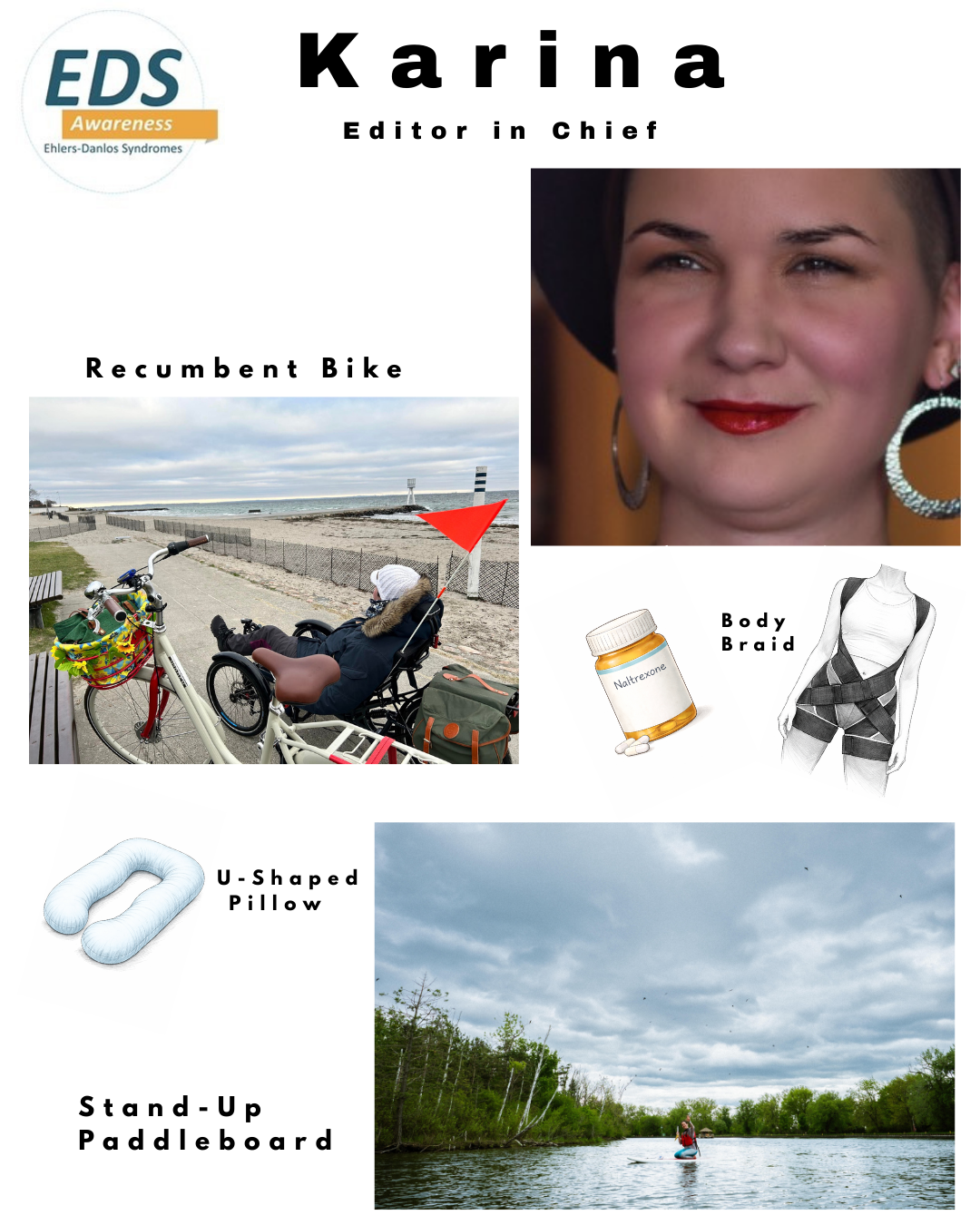
- Proprioceptive Feedback: Many patients with EDS struggle with proprioception—the brain’s ability to sense the body’s position in space. Tools like the Body Braid and Kinesiology (K) Tape provide external sensory input, helping to reduce the frequency of subluxations and improve postural awareness.
- Energy Conservation and Pacing: For those with dysautonomia, cardiovascular activity can be a trigger for symptom flares. Recumbent bikes and seated paddleboarding allow for physical activity while keeping the body in a reclined or stable position, which prevents the blood pooling associated with orthostatic intolerance.
- Pressure Point Redistribution: Standard mobility aids, such as traditional crutches, often aggravate joints. The SmartCRUTCH is engineered to distribute body weight across the forearm rather than the wrist, protecting delicate carpals.
- Circadian Support: The use of U-shaped pregnancy pillows and natural latex pillows addresses the cycle of non-restorative sleep. By maintaining neck and spinal alignment, these tools reduce nocturnal pain, which otherwise leads to a higher pain baseline upon waking.
Official Perspectives and Professional Guidance
While our team members have found relief through these products, it is vital to contextualize them within professional medical advice. The Ehlers-Danlos Society consistently emphasizes that braces, splints, and mobility aids should be used as a supplement to, not a replacement for, physical therapy and strengthening exercises.
The Risk of "Brace Dependency":
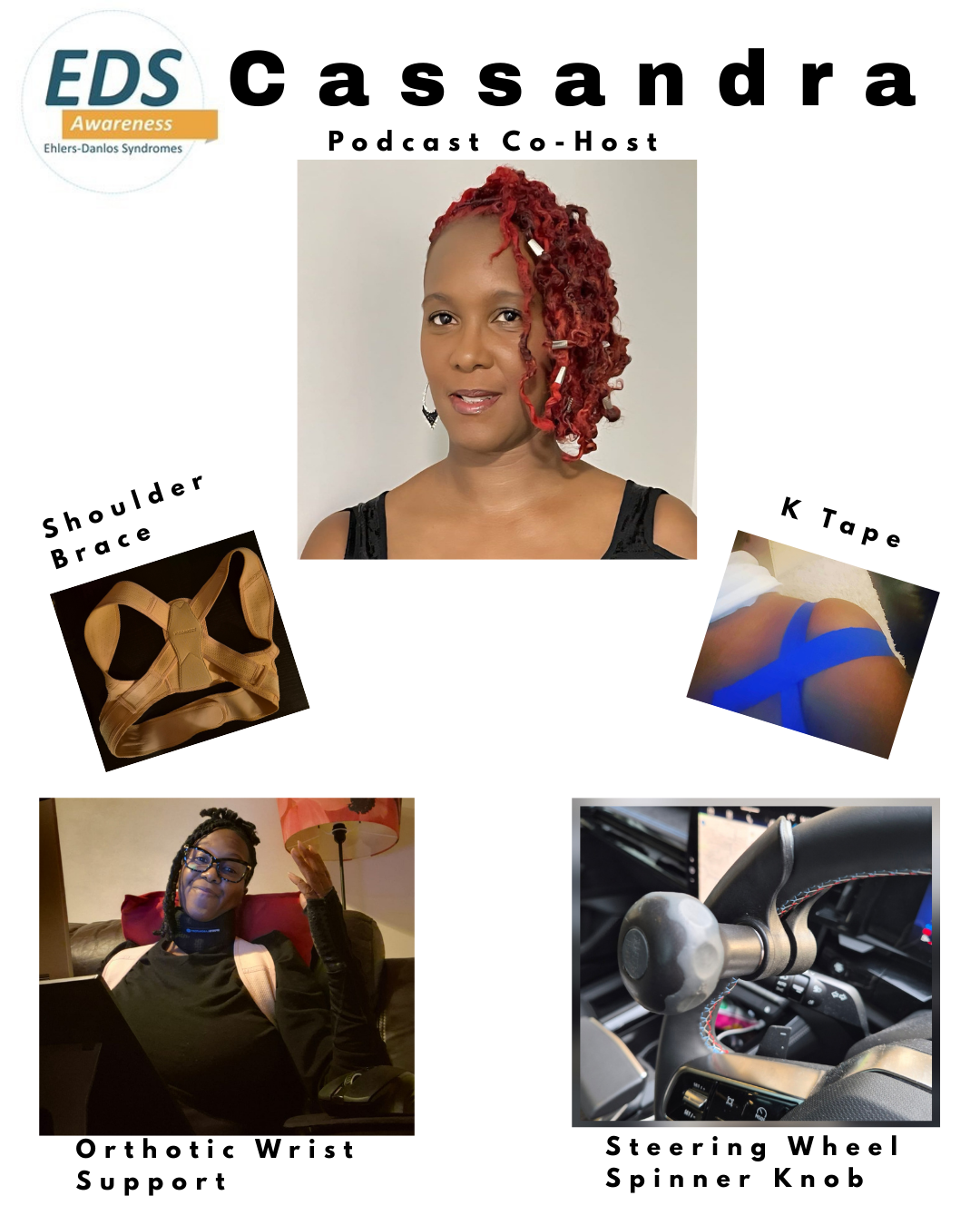
A common concern among clinicians is the potential for muscle atrophy. If a patient relies solely on a brace for stability, the muscles responsible for supporting that joint may weaken over time. As Cassandra noted, she is mindful to avoid prolonged use of her shoulder brace to ensure her muscles remain active. The goal is to provide enough support to function, while continuing to engage the musculoskeletal system safely.
Clinical Validation:
Research continues to emerge regarding the role of Low-Dose Naltrexone (LDN) in chronic pain management. While it remains an "off-label" prescription, observational studies suggest that for a subset of EDS/HSD patients, it can dampen the constant "overwhelm" of chronic pain without the heavy side-effect profile of traditional opioids.
Implications for Daily Living: Improving Quality of Life
The primary implication of this "toolkit" approach is that autonomy matters. By integrating tools that allow for independent movement—like the recumbent trike or the steering wheel spinner knob—patients regain a sense of agency that chronic illness often threatens to strip away.
Key Takeaways for the Community:
- Individualization: What works for one person may not work for another. Always consider your specific triggers, such as skin fragility (which may make K-tape inadvisable) or chemical sensitivities (which may necessitate natural materials over memory foam).
- The "Supportive" Mindset: Look for items that serve multiple purposes. A heating pad isn’t just for comfort; it is a tool for managing muscle guarding and mast cell-related chills.
- Consultation: Always introduce new aids to your physical therapist or rheumatologist. They can ensure that a new brace or pillow doesn’t inadvertently cause misalignment elsewhere in the body.
Final Thoughts: A Journey, Not a Destination
Living with EDS or HSD is a marathon, not a sprint. The supportive aids featured here—whether it’s the "Scorpion Queen" bike or a simple cooling pad for dysautonomia flares—are milestones in a personal journey toward improved functioning.
As we look toward the future, the integration of technology, patient-led innovations, and supportive physical therapy will continue to refine how we live with these complex conditions. We encourage our readers to share their own "go-to" items within their support circles. By pooling our collective wisdom, we can make the road a little easier for everyone in the community.
Disclaimer: The supportive aids featured in this article are tools that members of our team have found helpful in their own lives. Their inclusion is based on personal experience and should not be considered a formal endorsement of any specific product nor be taken as medical advice. Before introducing any supportive aids into your routine, it is best to consult with your healthcare professional to ensure they are appropriate for your specific needs.
Author: Jacqueline Teti, with insights from the Chronic Pain Partners team.
Date: April 2026.