









For decades, the scientific community viewed fat cells—or adipocytes—as little more than the body’s biological pantry. These cells were perceived as passive, inanimate storage units designed to hold excess energy for a rainy day. However, groundbreaking research led by the University of Toulouse has fundamentally shattered this simplistic paradigm.
Scientists have discovered that fat cells are dynamic, highly regulated engines of metabolic control. At the center of this discovery is a protein known as Hormone-Sensitive Lipase (HSL). Long recognized as the "key" that unlocks fat stores, HSL has now been found to possess a second, more enigmatic identity: a regulator of gene activity tucked deep within the cell’s nucleus. This revelation not only explains mysterious metabolic disorders but also provides a new lens through which to view the global obesity epidemic.
Main Facts: The Dual Life of HSL
To understand the weight of this discovery, one must first understand the traditional role of HSL. Within an adipocyte, energy is stored in structures called lipid droplets. When the body requires fuel—such as during a fast or intense exercise—the endocrine system releases adrenaline. This hormone acts as a signal, activating HSL to move to the surface of these lipid droplets, where it breaks down stored fat into usable energy.
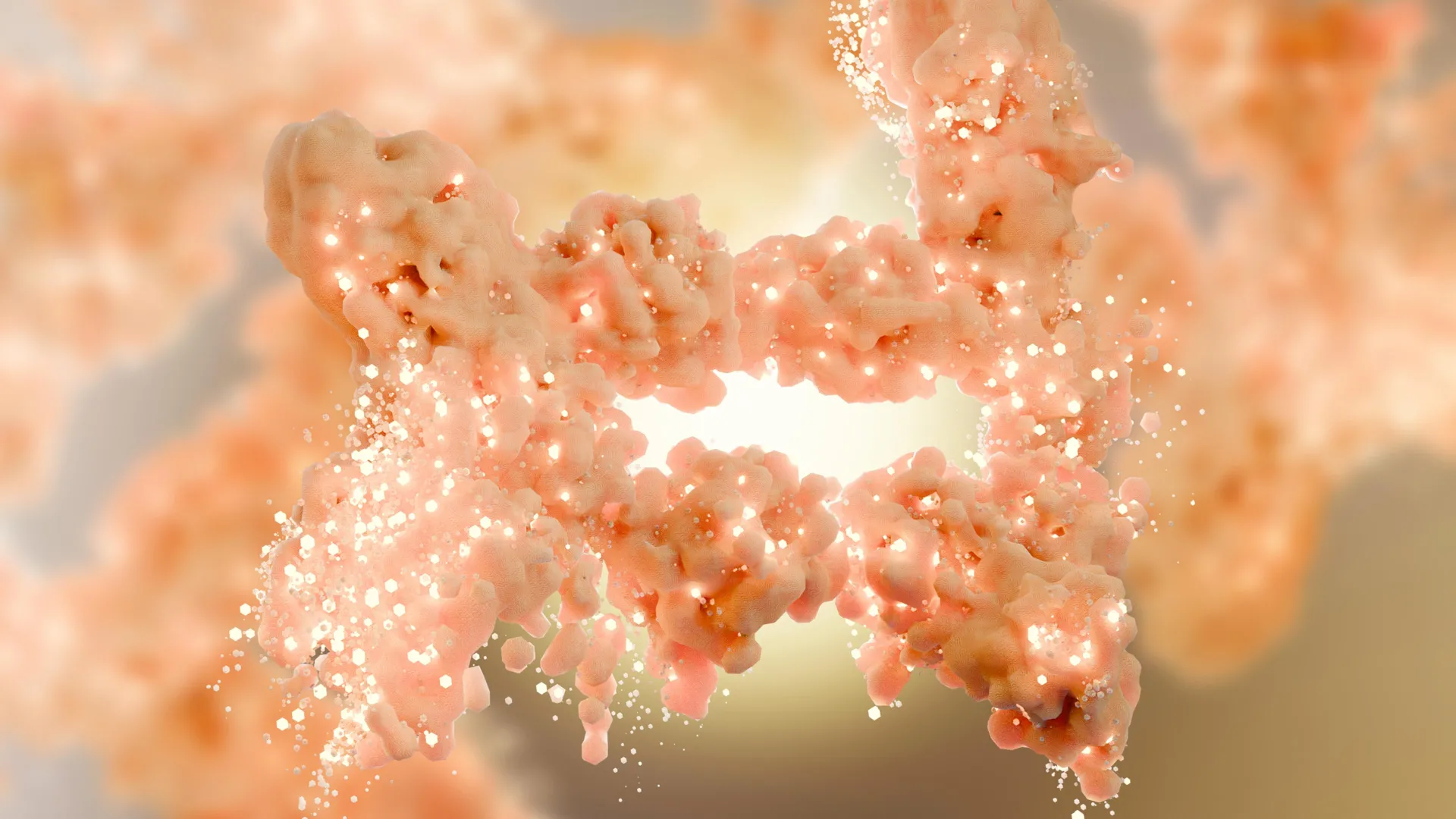
However, the team led by Professor Dominique Langin at the Institute of Metabolic and Cardiovascular Diseases (I2MC) in Toulouse has uncovered that HSL is a moonlighting protein. It does not merely dwell on the surface of lipid droplets; it also resides within the nucleus of the adipocyte, where it interacts with genetic material.
"In the nucleus of adipocytes, HSL is able to associate with many other proteins and take part in a program that maintains an optimal amount of adipose tissue and keeps adipocytes ‘healthy’," explains Jérémy Dufau, co-author of the study. This dual localization suggests that HSL is not just a demolition crew for fat; it is a master architect of fat cell health.
Chronology of a Scientific Shift
The journey to this discovery spans over half a century of metabolic research.
- 1960s: HSL is first identified and characterized by biochemists as a "fat-mobilizing enzyme." For the next fifty years, the medical consensus remains singular: HSL’s sole purpose is to break down triglycerides.
- Early 2000s: Genetic studies in mice and sporadic clinical reports of humans with HSL gene mutations begin to present a paradox. Scientists expect that a lack of HSL would lead to morbid obesity, as the body would be unable to access its energy reserves. Instead, the subjects exhibit lipodystrophy—a condition characterized by a severe deficiency of body fat.
- 2015–2020: The I2MC team begins a deep-dive investigation into the cellular localization of HSL. Using advanced molecular imaging, they move beyond the cytoplasm and observe the protein entering the nucleus.
- 2023–2024: The researchers successfully map the movement of HSL in response to hormonal signals, proving that adrenaline doesn’t just trigger fat burning—it triggers the relocation of HSL from the nucleus back to the lipid droplets, effectively "unlocking" the cell’s genetic program to favor energy mobilization.
Supporting Data: The Lipodystrophy Paradox
The most compelling evidence for this discovery lies in the counterintuitive nature of lipodystrophy. In patients missing the functional HSL protein, the body fails to store fat correctly. Instead of the expected weight gain, these individuals suffer from metabolic dysfunction, thinness, and a high risk of cardiovascular disease—the same complications often associated with obesity.
This convergence is critical. It proves that obesity and lipodystrophy are two sides of the same coin: cellular dysfunction. Whether a person has too much fat (obesity) or too little (lipodystrophy), the common denominator is an inability of the adipocytes to perform their regulatory duties.
Data from the Toulouse study indicates that in obese mice, HSL levels remain stubbornly high within the nucleus. This suggests a "stuck" mechanism. When HSL is unable to exit the nucleus in response to hormonal demand, the adipocyte loses its ability to respond to energy needs, leading to the chronic metabolic inflammation that defines obesity-related illness.
Official Responses and Expert Insights
Professor Dominique Langin, the lead researcher on the project, views this as a turning point in endocrinology. "HSL has been known since the 1960s as a fat-mobilizing enzyme. But we now know that it also plays an essential role in the nucleus of adipocytes, where it helps maintain healthy adipose tissue," Langin stated during the presentation of the study’s findings.
Jérémy Dufau, whose doctoral thesis formed the backbone of this research, emphasized the precision of the system. "The movement of HSL is not random. It is a finely tuned response to the body’s energy status. When we eat, the protein stays where it needs to be to maintain cell health. When we fast, the body sends an ‘all-hands-on-deck’ signal, forcing HSL to exit the nucleus and focus on energy release."
Other independent experts in the field have lauded the study for its "elegant simplicity." By identifying a single protein that manages both energy output and cellular maintenance, the team has provided a potential target for future pharmacological intervention.
Implications: A New Frontier in Metabolic Medicine
The implications of these findings are staggering, particularly given the global health landscape. In France, one in two adults is now considered overweight or obese. Globally, that number has reached a staggering 2.5 billion people.
Rethinking Obesity Treatment
Current obesity treatments often focus on suppressing appetite or blocking fat absorption. However, if obesity is partly a result of HSL being "trapped" in the nucleus, researchers could theoretically develop small-molecule drugs that facilitate the migration of HSL. This would essentially "re-teach" fat cells how to function correctly, restoring their ability to store and release energy in a balanced, healthy manner.
Addressing Metabolic Complications
The link between adipocyte health and cardiovascular disease is well-established, but the mechanism has often been murky. By identifying HSL as a regulator of gene activity, the Toulouse team has linked cellular energy management directly to the prevention of systemic metabolic diseases like Type 2 diabetes and hypertension. If an adipocyte is "healthy" at the nuclear level, it is less likely to secrete the inflammatory markers that lead to these chronic conditions.
The Future of Preventive Care
As the scientific community digests this discovery, the focus is shifting toward "metabolic flexibility." The ability of the body to switch between storing and burning fat is a hallmark of health. With the knowledge that HSL acts as the internal traffic controller for this switch, future diagnostic tests could potentially measure HSL activity levels to predict a patient’s risk for metabolic syndrome years before symptoms manifest.
Conclusion
The discovery that Hormone-Sensitive Lipase is a nuclear regulator changes our perception of body fat from a passive storage bin to a sophisticated, intelligent organ. It reminds us that at the microscopic level, the body is a symphony of proteins and genes, each playing a role in maintaining the delicate balance of life.
While we are still in the early stages of translating this discovery into clinical therapies, the research from the University of Toulouse offers a glimmer of hope. By understanding the "hidden" life of fat cells, we are finally beginning to peel back the layers of the obesity epidemic, moving away from simple calorie-counting and toward a more profound, biological understanding of human health. As science advances, the goal remains clear: to ensure that our internal engines—our adipocytes—continue to function as they were designed, keeping the body in balance, regardless of the challenges posed by the modern environment.