






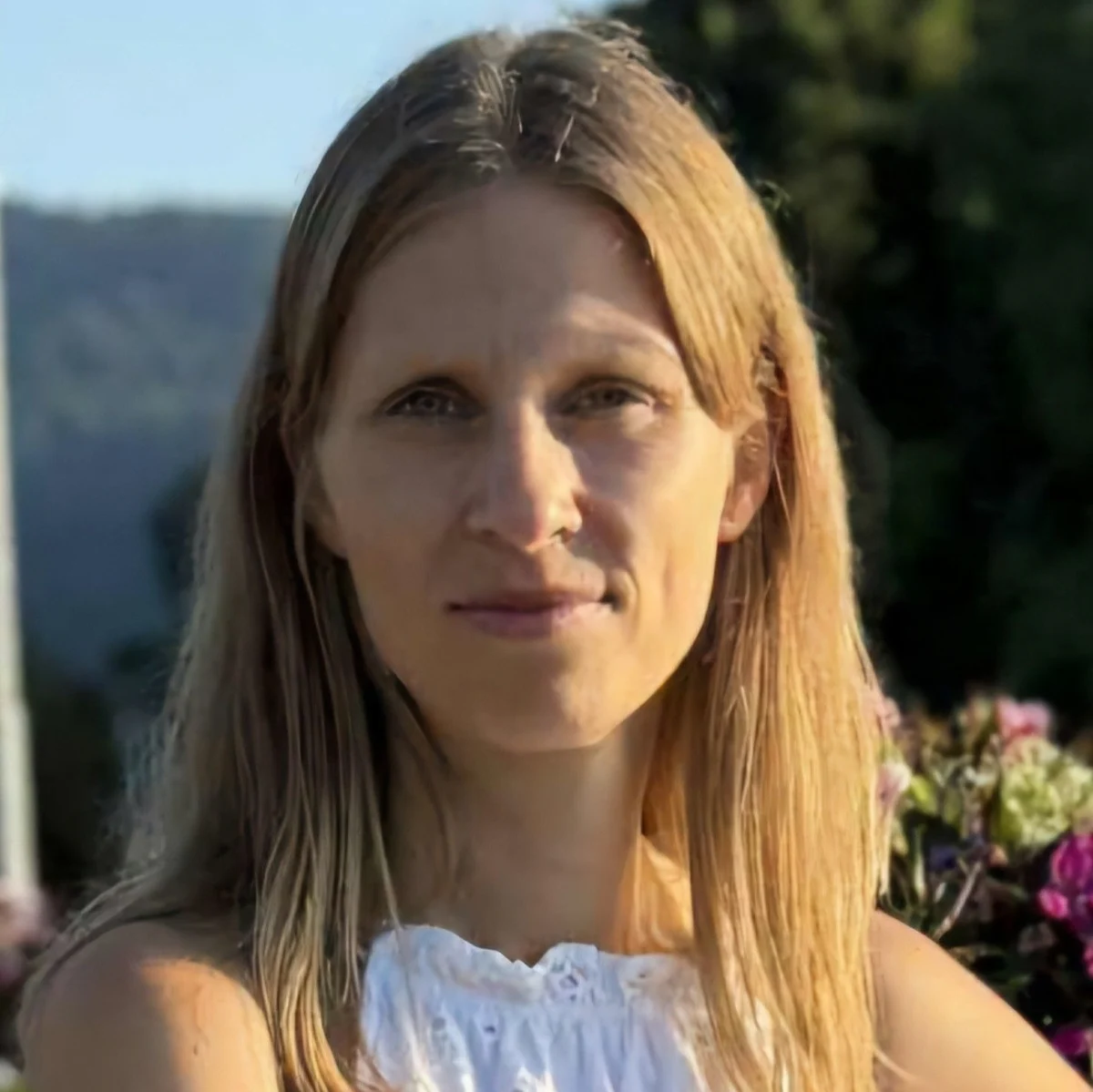
LJUBLJANA, Slovenia — In the landscape of modern psychiatry, the line between care and coercion is often blurred by the clinical necessity of "stabilization." For Saša Kranjc, that line was crossed in 2013, when at twenty-three years old, she found herself within the walls of a psychiatric hospital, facing an ultimatum that would alter the trajectory of her life for more than a decade. Today, Kranjc is the driving force behind Mad in Slovenia, a burgeoning movement and digital platform dedicated to transforming the mental health narrative from one of pathology and "brokenness" to one of human rights, potential, and informed choice.
The launch of madinslovenia.org in the spring of 2025 marks a pivotal moment for the Balkan nation. It represents the latest chapter in a global shift—spearheaded by the Mad in America parent organization—that seeks to challenge the hegemony of the biological model of psychiatry and restore agency to those who have lived through the system.
The Core Mission: Beyond Symptom Suppression
The "Mad in Slovenia" network is not merely a support group; it is a grassroots institutional challenge. At its heart, the movement advocates for a radical restructuring of how mental distress is understood and treated. While mainstream psychiatry often focuses on the suppression of symptoms through pharmacological intervention, the Slovenian network argues that these symptoms are frequently "important messages" from which individuals can learn and grow.
"With Mad in Slovenia, we don’t want to be against something. We’d rather be for something," Kranjc explains. This philosophy shifts the focus from what is "wrong" with a person—a deficit-based model—to what has happened to them and what they might achieve. The movement’s primary objectives include:
- Informed Consent: Ensuring patients are fully aware of the long-term effects and withdrawal challenges of psychiatric medications.
- Alternative Modalities: Promoting social and dialogical approaches like the Finnish Open Dialogue.
- Community Support: Providing a non-judgmental space for those labeled with psychiatric diagnoses to reclaim their identities.
A Chronology of Transformation: From Patient to Pioneer
The genesis of Mad in Slovenia is rooted in Saša Kranjc’s personal odyssey through the Slovenian mental health system. Her journey illustrates the systemic gaps that the network now seeks to fill.
2013: The Illusion of Consent
At 23, Kranjc entered a psychiatric facility at the suggestion of her family. However, the "suggestion" quickly turned into a legal threat. She was informed that if she refused the prescribed antipsychotics, she would be forced to appear before a court. Fearing the permanent stigma of a court record and the potential impact on her future, she "consented."
"I had no idea what I was really getting myself into," she recalls. In the eyes of the movement, this was not informed consent. Kranjc was never warned about the metabolic, neurological, or psychological challenges she would face if she ever chose to stop the medication.
2013–2024: The Thirteen-Year Struggle
For over a decade, Kranjc lived under the influence of antipsychotics while harboring a deep-seated desire for an independent life free from chemical dependence. Her attempts to discontinue the drugs were met with significant physiological and emotional hurdles, affecting her family and her ability to function. During this period, she did not just survive; she studied. Kranjc completed her degree in psychology and trained as a Reality Therapist under the principles of William Glasser’s Choice Theory, which emphasizes personal responsibility and internal control.
2024: The Catalyst
The turning point came in 2024, when American investigative journalist and author Robert Whitaker—famous for Anatomy of an Epidemic—delivered a lecture in Slovenia. His critique of the long-term outcomes of psychiatric drugging resonated deeply with Kranjc and a small group of Slovenian professionals and "experts by experience."

2025: Mobilization and Launch
By December 2025, the group had expanded to over 70 members, including psychologists, family members, and individuals with lived experience. Collaborating with Karin Jervert, the Mad in the World Liaison, they prepared the infrastructure for their digital presence. In the spring of 2025, madinslovenia.org officially launched, providing a repository of resources, research summaries, and personal testimonials.
Supporting Data: The Case for a New Model
The movement’s push for change is backed by a growing body of international research that questions the long-term efficacy of the "chemical imbalance" theory.
The Problem with the Medical Model
Traditional psychiatry in Slovenia, as in much of the West, relies heavily on the DSM (Diagnostic and Statistical Manual of Mental Disorders) framework. Nika Goršič, a member of the Mad in Slovenia network, highlights the psychological impact of this framework: "From my point of view, psychiatrists seemed to focus on reminding people of their limitations as someone with a diagnosis… you’re kind of broken as a person because this happened to you."
The network points to data suggesting that long-term use of antipsychotics can, in some cases, lead to "tardive psychosis" or a sensitization of dopamine receptors, making withdrawal extremely difficult—a phenomenon often misdiagnosed as a "relapse" of the original illness.
The Finnish Open Dialogue Approach
To counter this, Kranjc is working to introduce the Finnish Open Dialogue approach to Slovenia. This method, developed in Western Lapland, eschews immediate drugging in favor of immediate social intervention. It involves the person in distress, their family, and a team of professionals engaging in a transparent, non-hierarchical dialogue. Statistics from Finland have shown remarkable results, including lower rates of hospitalization and a significant reduction in the long-term use of antipsychotic medication compared to standard psychiatric care.
Official Responses and the Institutional Landscape
While the Slovenian psychiatric establishment has yet to issue a formal collective response to the Mad in Slovenia platform, the movement’s existence highlights a growing friction within the country’s healthcare system.
Historically, Slovenian psychiatry has been highly centralized and hospital-centric. The emergence of a network that explicitly avoids "belittling" patients and instead views them as "people with potential" represents a cultural shift that challenges the traditional doctor-patient hierarchy.
Critics within the medical field often argue that "alternative" movements may discourage patients from taking "life-saving" medication. However, Mad in Slovenia counters that they are not "anti-medication" but "pro-information." Their stance is that the current lack of transparency regarding drug side effects and the difficulty of tapering off violates the basic medical ethics of autonomy and "do no harm."
Implications for the Future: The Compass Club and Beyond
The influence of Mad in Slovenia is already manifesting in practical, community-based initiatives. One such project is the "Compass Club," a peer-support forum where members discuss the direction of their lives.

"Where am I now? How do I like where I am now? And how can I change the things that I don’t like?" These are the questions posed within the club, as explained by Kranjc and Goršič. This approach moves away from clinical "maintenance" and toward "life design."
The Path Toward Formalization
Currently, the network operates entirely on a volunteer basis, which limits its capacity. Meetings are held once a month, and the website’s comment section remains closed due to a lack of resources for moderation. To scale their impact, Kranjc is exploring the transition of Mad in Slovenia into a formal legal institution.
"If we get that funding, we’ll be more active," Kranjc says. Formalization would allow the group to apply for national and EU grants, potentially establishing the first permanent centers for Open Dialogue and medication withdrawal support in the region.
A Global Resonance
The rise of Mad in Slovenia is a microcosm of a larger global trend. From Mad in Brazil to Mad in the UK, the "Mad in the World" network is creating a decentralized global resistance to the pharmaceutical-industrial complex in mental health.
As the Slovenian network grows, it offers a blueprint for other Eastern European nations where psychiatric reform has historically lagged behind. By blending personal narrative with rigorous psychological training and international collaboration, Saša Kranjc and her colleagues are not just building a website; they are building a new framework for human dignity.
"It’s a really good thing that it’s in Slovenia," says Nika Goršič. "We need more hope."
For Kranjc, the mission is clear: "I really believe we could make a difference." As the network moves into the latter half of 2025, the conversation in Slovenia is no longer just about what drugs a patient should take, but about what kind of life they have the right to lead.