











By Jonathan Gardner | Published June 3, 2026
In a significant development for the field of immuno-oncology, Legend Biotech has unveiled early-stage clinical data that could fundamentally alter the landscape of cell therapy. On Tuesday, the company reported that its experimental "in vivo" CAR-T therapy, dubbed LB2501, successfully induced disease regression in all patients treated at a high dose in a first-in-human trial. This milestone has triggered a 30% surge in the company’s share price, as investors and analysts alike weigh the potential of a treatment that could bypass the complex, costly, and time-consuming manufacturing hurdles currently plaguing the industry.
Main Facts: The Shift from Ex Vivo to In Vivo
Current CAR-T cell therapies, such as Novartis’ Kymriah or Legend’s own commercial success, Carvykti, are "ex vivo" treatments. This process requires the extraction of a patient’s T cells, their genetic modification in a highly specialized laboratory, and their subsequent re-infusion into the patient. This "bench-to-bedside" cycle is not only expensive and logistically arduous, but it also leaves patients vulnerable during the weeks-long wait for manufacturing.
LB2501 represents a paradigm shift. By using a modified viral vector to deliver genetic instructions directly into the patient’s immune cells in vivo, Legend Biotech aims to create a "ready-to-use" therapy. The drug targets CD19 and CD20, two well-validated protein markers found on the surface of malignant B cells. Crucially, the administration of LB2501 does not require the lymphodepleting chemotherapy regimen that typically precedes traditional CAR-T infusions, potentially sparing patients from significant toxicity.
Chronology of Clinical Progress
The road to this announcement has been marked by a rigorous, incremental approach to clinical development.
- Early Development: Legend Biotech leveraged its deep expertise in CAR-T development, gained through the successful commercialization of Carvykti in partnership with Johnson & Johnson, to pivot toward the next generation of immunotherapy.
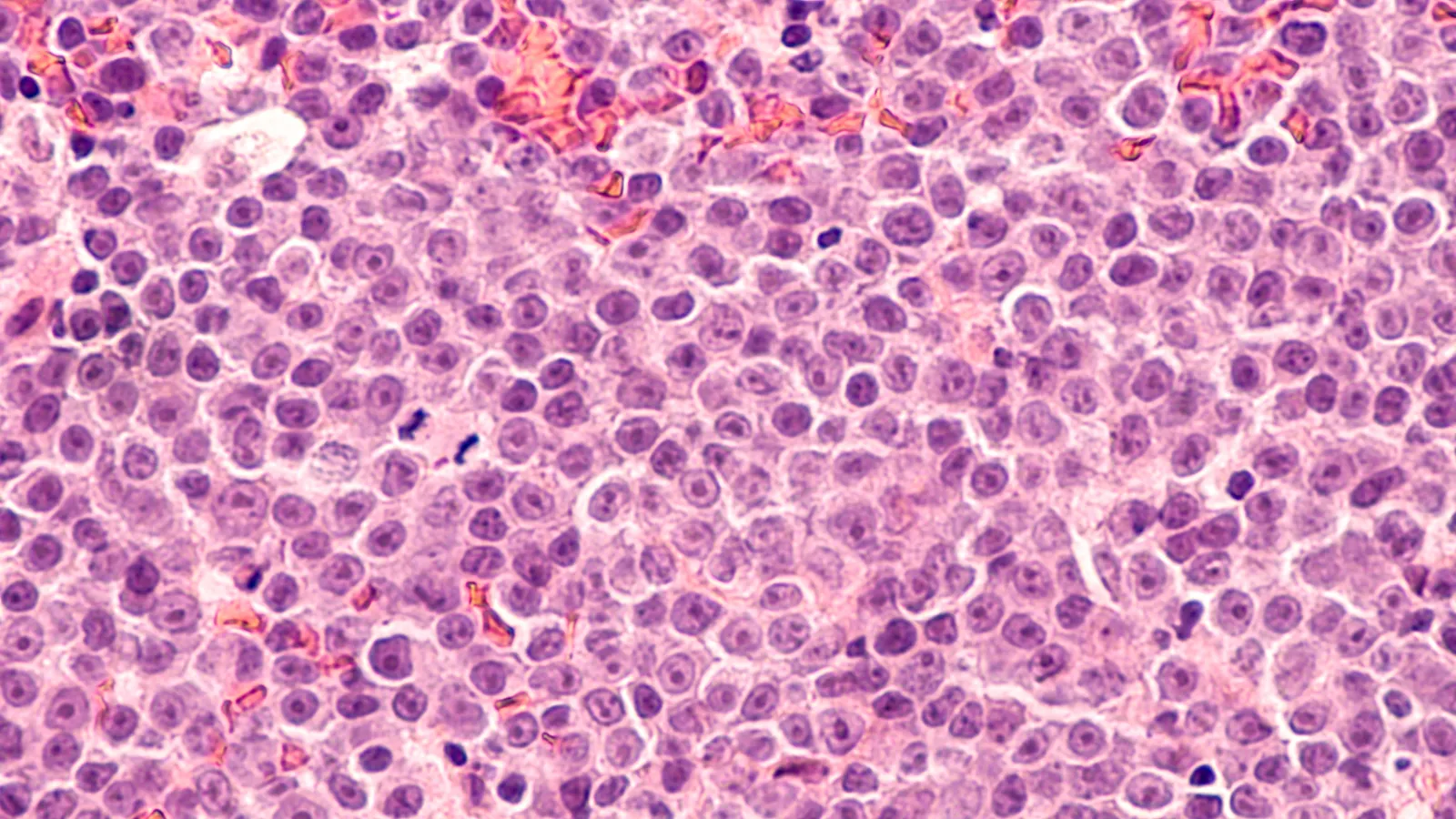
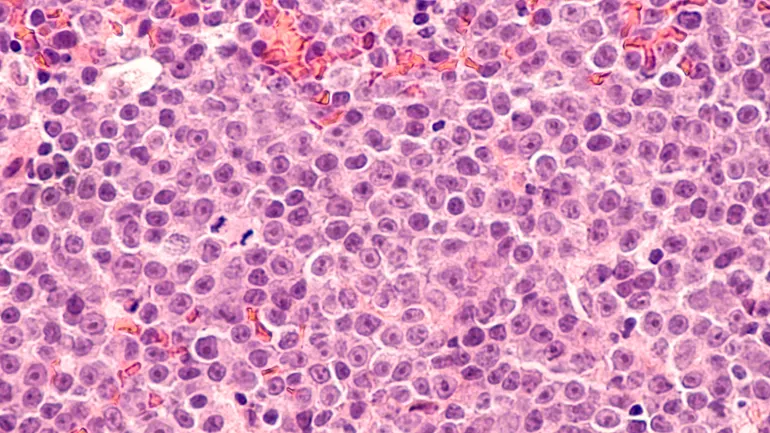
- The China Study: The company initiated a first-in-human trial in China, focusing on patients with relapsed or refractory B-cell malignancies (specifically large B-cell lymphoma, follicular lymphoma, or mantle cell lymphoma) who had already failed at least two prior lines of treatment.
- The Data Drop: Ahead of the European Hematology Association (EHA) meeting in June 2026, the company released an abstract detailing the outcomes for 12 participants.
- The Market Reaction: Following the public disclosure of the 100% response rate at the higher dose, Legend Biotech saw its market capitalization expand by roughly one-third in a single trading session, signaling strong market confidence in the platform’s future.
Supporting Data: Efficacy and Safety Profiles
The data presented from the 12-patient cohort provides a compelling narrative for the efficacy of the higher dose. While the lower dose showed evidence of biological activity in five out of six patients, it failed to elicit a clinical response. Conversely, the higher dose cohort achieved a perfect track record.
According to the study, all six patients treated at the higher dose experienced a reduction or total elimination of lymphoma lesions. Even more impressive, five of those six achieved a "complete response," the gold standard in oncology trials.
Safety remains the ultimate arbiter of success in gene therapy. Cytokine Release Syndrome (CRS)—a systemic inflammatory response that can be life-threatening—was reported in eight patients. However, the severity profile was notably manageable: only one patient required medical intervention beyond standard symptomatic care for fever or nausea. Furthermore, the absence of neurotoxicity—a severe, often debilitating side effect frequently associated with traditional ex vivo CAR-T treatments—is a significant competitive advantage for the in vivo approach.
Official Responses and Expert Analysis
Wall Street has been quick to interpret these results as a potential "second act" for Legend Biotech. Leonid Timashev, an analyst at RBC Capital Markets, noted that the logistical bottlenecks inherent in current CAR-T manufacturing represent the single greatest barrier to widespread commercial success.
"If Legend can successfully commercialize an in vivo product, they are looking at blockbuster potential," Timashev wrote in a recent note to investors. "The clinical value is obvious, but the strategic value is arguably higher. It creates a path for the company to move beyond the limitations of the current cell therapy infrastructure."

The industry at large has also taken notice. The surge in venture capital funding for in vivo cell therapy startups, combined with a flurry of recent acquisitions by major pharmaceutical players, suggests that Legend is at the vanguard of a broader industry trend. Companies like Lyell Immunopharma are also exploring similar technologies, creating a competitive environment that will likely accelerate innovation in the coming years.
Implications: A New Era for Cell Therapy
The implications of the LB2501 data extend far beyond Legend Biotech’s portfolio.
1. The Death of Logistics?
If in vivo therapies become standard, the entire business model of personalized medicine changes. Instead of hospitals needing to coordinate complex supply chains to get patient blood samples to a factory and back, they would simply receive a standardized vial of the therapy. This could potentially reduce the price of treatment and increase access for patients in rural or underserved areas who currently cannot reach specialized centers.
2. Regulatory Hurdles
While the initial data is promising, regulators will likely demand larger, multi-center trials before considering approval. The FDA and the EMA will be particularly focused on the long-term persistence of the modified cells and the potential for off-target effects. The "six-month follow-up" data, which has yet to be finalized, will be the next major hurdle for the company.
3. Broadening the Target Landscape
By targeting CD19 and CD20 simultaneously, Legend is hedging its bets against tumor evolution. Cancer cells are notorious for "antigen escape," where they stop expressing the protein that the therapy is designed to attack. By attacking two distinct markers, LB2501 makes it significantly harder for the cancer to develop resistance, a strategy that could become the new benchmark for future CAR-T design.

4. A Strategic "Second Act"
For Legend Biotech, the success of LB2501 transforms the company from a "one-hit wonder" (dependent primarily on Carvykti) into a platform company with a robust pipeline. This diversification is essential for long-term survival in the volatile biotech sector.
Looking Ahead
The upcoming presentation at the European Hematology Association meeting is expected to be a focal point for the oncology community. Researchers will be looking for granular details regarding the duration of the responses and any late-emerging adverse events.
As the industry watches, Legend Biotech stands at a crossroads. The transition from ex vivo to in vivo is the "holy grail" of cell therapy. While the company still has a long road of clinical validation ahead, the early data suggests that the dream of a scalable, off-the-shelf, and highly effective personalized cancer therapy is closer than ever to becoming a reality.
For patients who have run out of options after traditional chemotherapy and existing immunotherapies, the prospect of an in vivo solution offers not just a treatment, but a potential cure. As the data matures, the medical community will be watching closely to see if LB2501 can sustain its early momentum and redefine the standards of care for lymphoma patients worldwide.