








For decades, the fitness industry has championed the floor-based plank as the ultimate benchmark for core strength. However, as we age, the limitations of traditional floor exercises become increasingly apparent—not only in terms of physical accessibility but also regarding functional relevance. For those over 60, the goal of exercise shifts from aesthetic muscle building to the preservation of independence, mobility, and injury prevention.
According to leading physical therapists, it is time to move beyond the mat. By shifting core training to a standing position, older adults can build a "real-world" foundation that translates directly to the tasks of daily living, such as carrying groceries, navigating uneven terrain, and maintaining balance.
The Science of Aging and Muscle Preservation
The human body undergoes a natural decline in muscle mass, a process known as sarcopenia, which typically accelerates after age 30. By the time an individual reaches their 60s, this loss of lean muscle can significantly impact metabolic health, bone density, and stability.
While traditional abdominal crunches and floor planks were once considered staples of a fitness routine, they often involve spinal flexion—a movement pattern that can be problematic for individuals dealing with osteopenia, osteoporosis, or chronic lower back pain. Furthermore, floor-based routines require the mobility to get down and up from the ground, a barrier that can discourage consistency for those suffering from joint stiffness or post-surgical recovery.
Expert Perspective: Why Functional Stability Reigns Supreme
We consulted with Regie Tiu, a licensed physical therapist and the Founder and CEO of Restore Plus PT in New York. Tiu advocates for a paradigm shift in how we approach core training for the aging population.
"Standing core exercises are superior for people over 60 because they train functional stability, which is the cornerstone of real-world activity," Tiu explains. "We don’t live our daily lives lying on the floor. Our balance, posture, and ability to navigate the world depend on our core’s ability to stabilize us while we are upright, fighting gravity, and moving through space."
Tiu emphasizes that the core is not just the "six-pack" muscles seen in magazines; it is a complex cylinder of muscles—including the deep transverse abdominis, the multifidus, the obliques, and the pelvic floor—that work in concert to protect the spine and facilitate movement.
The Top 5 Standing Core Exercises for Vitality
To build a resilient core without the need for floor mats, Tiu recommends the following five exercises. These movements are designed to be low-impact, highly functional, and effective for improving balance and stability.
1. The Standing Pallof Press
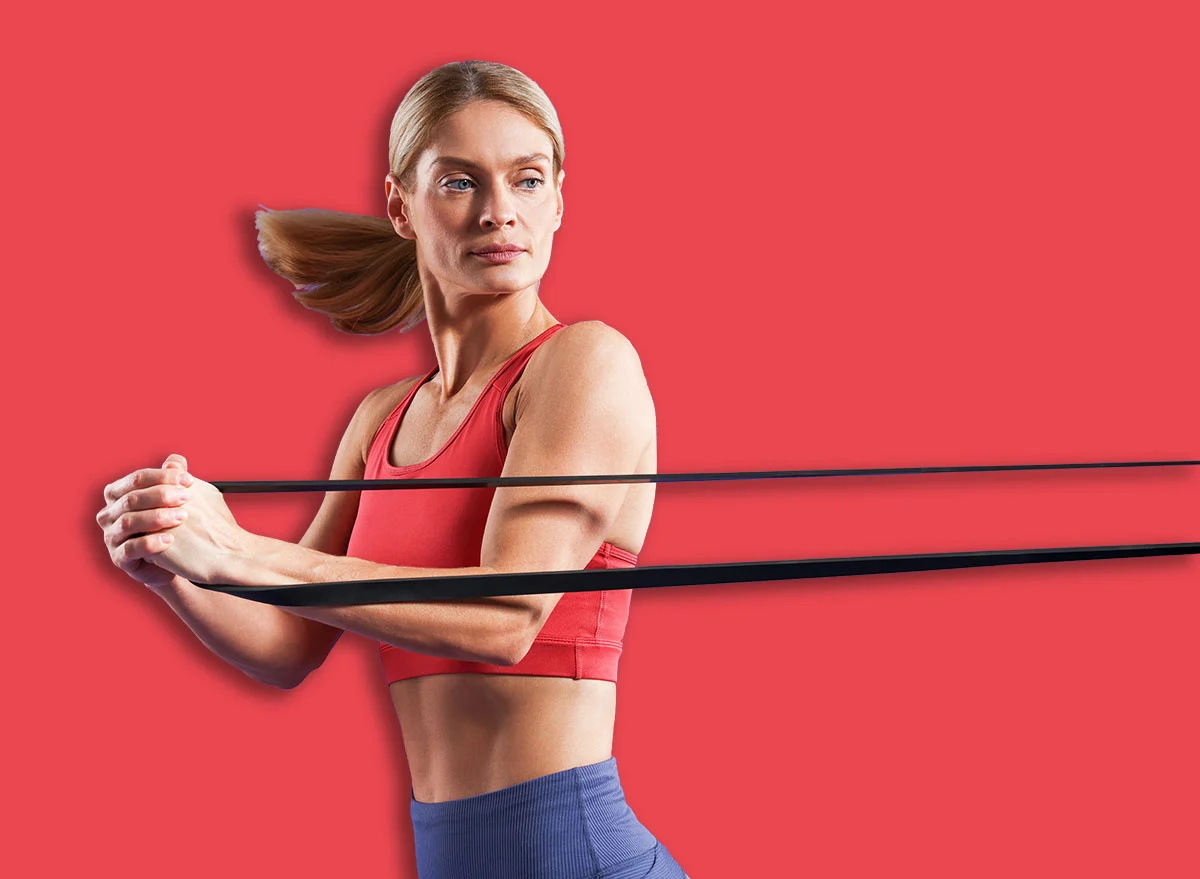
The Pallof press is arguably the most effective anti-rotation exercise for older adults. By using a resistance band anchored to a stable surface, the user resists the pull of the band, forcing the deep core muscles to stabilize the torso.
- Why it works: "It teaches the core and obliques to resist rotation," Tiu notes. "This is vital because many daily injuries occur during twisting motions—like reaching for a seatbelt or turning to grab an object."
- The Benefit: It builds rotational stiffness, protecting the lumbar spine from unexpected torque.
2. The Standing Oblique Crunch
Unlike traditional crunches that strain the neck, the standing oblique crunch uses gravity to challenge the lateral stabilizers of the torso.
- Why it works: This movement focuses on lateral flexion, which is essential for maintaining a healthy, flexible spine and preventing the "hunching" posture that can develop with age.
- The Benefit: It targets the external and internal obliques, which are crucial for stabilization during walking and side-stepping.
3. The Standing Dead Bug
The "Dead Bug" is a classic physical therapy exercise usually performed on the back. However, the standing variation mimics the coordination required for walking while keeping the spine in a neutral, safe position.
- Why it works: It trains anti-rotation and deep core control without requiring spinal flexion. It also promotes contralateral limb coordination—the ability of opposite limbs to work together, which is the fundamental rhythm of human gait.
- The Benefit: Improved balance and improved coordination during movement.
4. The Standing Bird Dog
The bird dog is a gold-standard movement for the posterior chain, including the glutes and the lower back. By performing it standing, you add the complexity of single-leg balance.
- Why it works: "The standing bird dog works on the core, the glutes, and one-leg balance all at once," says Tiu. "This is a primary defense against fall prevention."
- The Benefit: Strengthening the posterior chain is essential for preventing back pain and improving posture.
5. The Suitcase Carry Hold
Functional training is about replicating the chores of daily life. The suitcase carry is the ultimate "real-world" move.
- Why it works: It forces the core to engage to keep the body upright against a one-sided load, exactly like carrying a heavy bag of groceries or a laundry basket.
- The Benefit: It builds lateral core strength and grip strength, both of which are high predictors of longevity and independence.
Implications for Long-Term Health
The implications of adopting a standing-focused core routine are profound. For the aging population, the primary health goal is the maintenance of "functional independence"—the ability to perform activities of daily living (ADLs) without assistance.
Fall Prevention
Falls are a leading cause of injury among adults over 65. By focusing on balance-oriented core exercises like the Bird Dog and the Suitcase Carry, individuals can improve their proprioception (the body’s ability to sense its position in space). This leads to faster reaction times when one trips or loses their footing.
Spinal Health and Posture
As the body ages, the discs in the spine lose hydration, and the vertebral structures can become more brittle. Excessive crunches or sit-ups can lead to disc herniation or compression injuries. Standing exercises keep the spine in a "neutral" position, utilizing muscular tension to support the skeleton rather than putting undue pressure on the intervertebral discs.
Cognitive Engagement
Unlike repetitive floor movements, which can become monotonous, standing exercises often require higher levels of focus and neurological engagement. Managing a resistance band (Pallof Press) or balancing on one leg (Bird Dog) requires the brain to process sensory information in real-time. This cognitive "dual-tasking" is increasingly recognized as a vital component of brain health and neuroplasticity in later life.
Implementing the Routine: A Chronological Approach
If you are looking to incorporate these movements into your current regimen, Tiu suggests a structured, progressive approach:
- Assessment (Weeks 1-2): Begin by mastering the form of each exercise without resistance. Use a chair or a countertop for support if you feel unsteady.
- Stability Phase (Weeks 3-6): Once you can perform the movements with confidence, introduce light resistance bands or light weights. Focus on "time under tension"—squeezing the core muscles for 3–5 seconds during each rep.
- Integration Phase (Weeks 7+): Begin combining these moves into a 20-minute flow, 3–4 times per week. The goal is to perform these movements with fluid control rather than speed.
Final Thoughts: The Path to Active Aging
"Strength is not about how much weight you can lift in a gym; it’s about how well you can move through your life," says Tiu. By moving away from the floor and toward a functional, standing-based core routine, individuals over 60 can effectively mitigate the risks of sarcopenia, protect their spines, and cultivate the stability necessary to stay active for decades to come.
Whether you are just starting your fitness journey or are a seasoned athlete looking to refine your routine, these five movements offer a safer, more effective, and highly relevant path to core strength. Remember to consult with a medical professional or a qualified physical therapist before beginning any new exercise program, especially if you have a history of orthopedic concerns. Your core is your center of gravity—protect it, strengthen it, and use it to stand tall.