




In the evolving landscape of European healthcare, the divide between clinical research and the lived experience of patients is narrowing. At the forefront of this shift is the European Lung Foundation (ELF), which currently facilitates 12 distinct Patient Advisory Groups (PAGs). These groups, comprised of individuals living with chronic lung conditions, their caregivers, and dedicated advocates, are no longer just passive recipients of care; they are active architects of clinical trial design, research priorities, and healthcare policy.
As of May 2026, the work of these 12 groups has reached a critical juncture. By embedding the patient perspective directly into the work of healthcare professionals and researchers, ELF is ensuring that the "patient voice" is not merely heard, but systematically integrated into the future of European respiratory medicine.
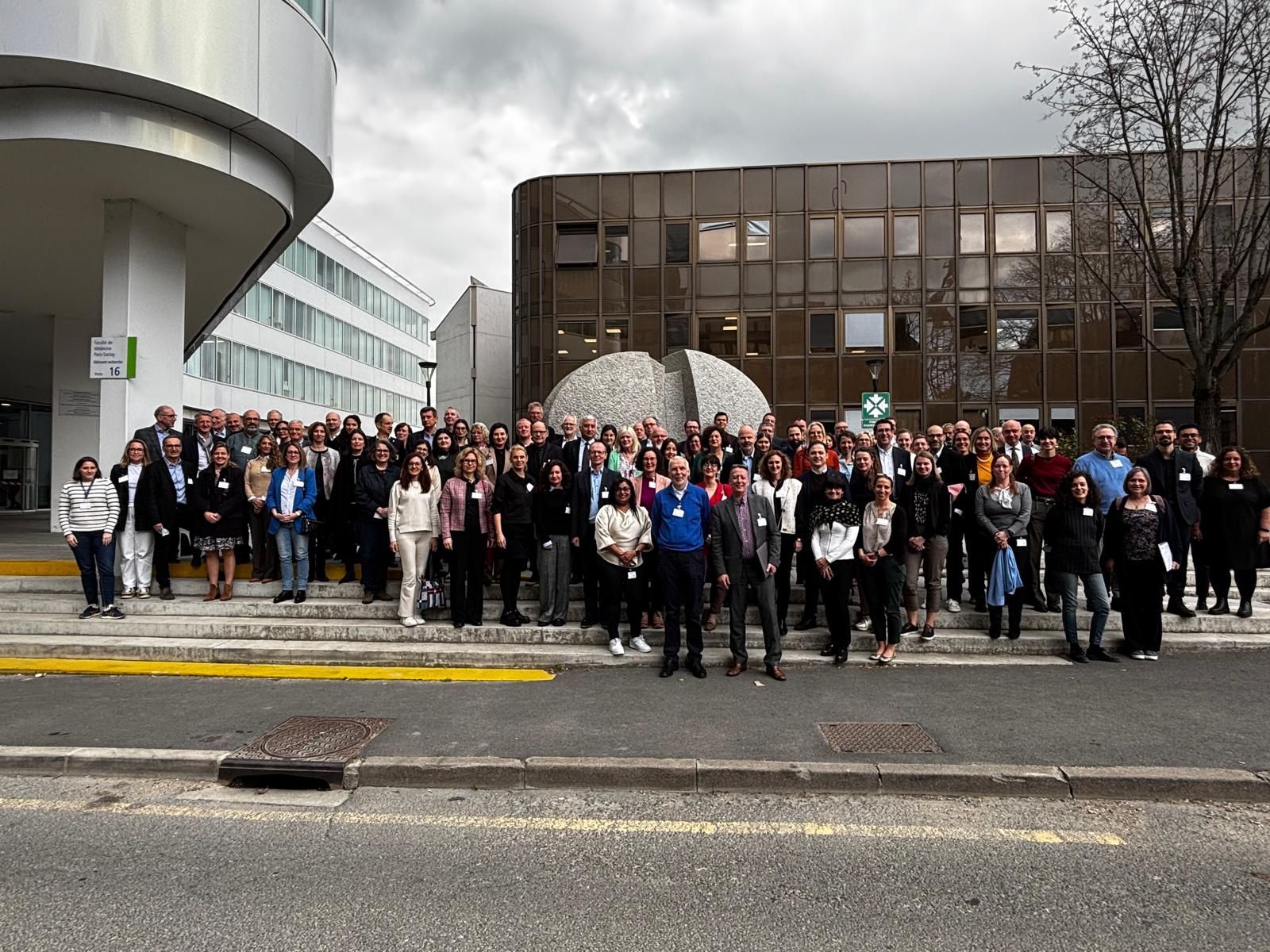
The Core Mission: A Synergy of Expertise
The primary objective of the ELF Patient Advisory Groups is to ensure that medical research—ranging from the molecular understanding of disease to the delivery of palliative care—is grounded in the reality of those who live with the condition every day.
Each PAG focuses on a specific condition, providing a platform for members to engage with major European initiatives, such as the European Respiratory Society’s (ERS) Clinical Research Collaborations (CRCs). By participating in these high-level discussions, members ensure that clinical guidance is not only medically sound but also practical, accessible, and centered on the holistic well-being of the patient.
Chronology of Recent Advancements (2025–2026)
The past several months have been marked by a series of high-impact milestones across the various PAGs:
- November 2025: The Severe Asthma Patient Conference provided a platform for new patient advocates, such as Charlotta and Jane, to join the Asthma PAG, immediately influencing research priorities.
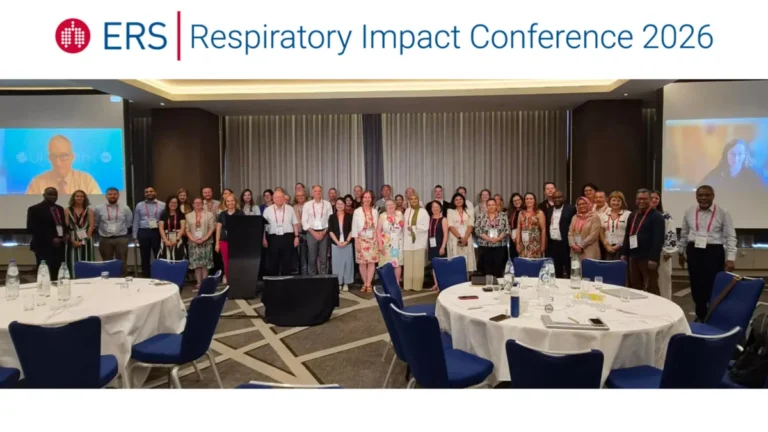
- March 2026: The 6th annual Bronchiectasis Patient Conference saw record-breaking attendance, cementing its status as a vital intersection for patients and researchers.
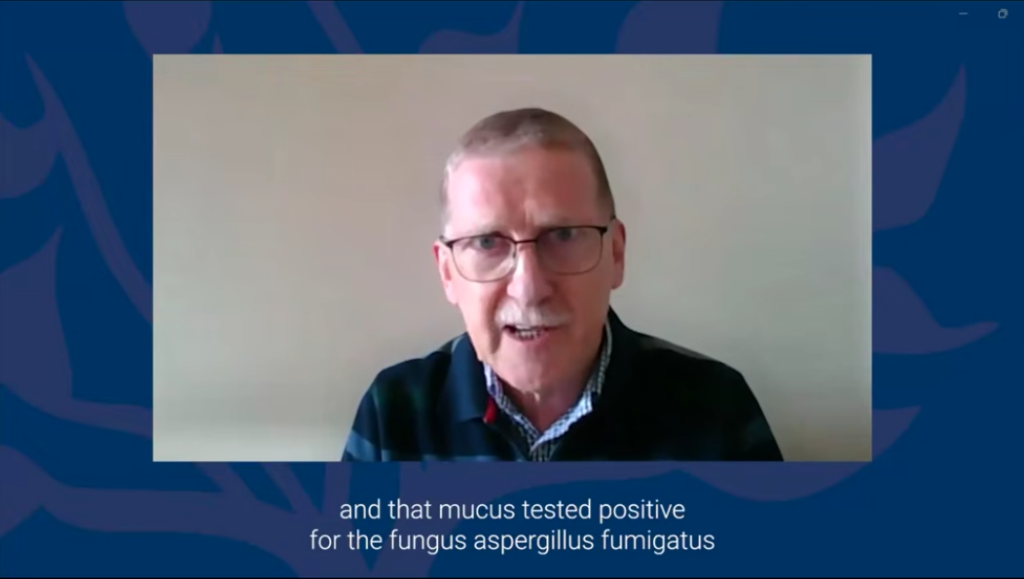
- Early 2026: The publication of the "Sputum Guide" by the Bronchiectasis PAG provided a much-needed resource for patients managing mucus clearance, illustrating the group’s commitment to practical, daily support.
- May 2026: The launch of the Alpha-1 Antitrypsin Deficiency (AATD) PAG, marking a significant expansion in the scope of ELF’s advocacy efforts.
- Summer 2026 (Forthcoming): The highly anticipated release of the "Living with Aspergillosis" guide and the COPD self-care guide, both of which are expected to set new standards for patient-authored information materials.
Sector-Specific Developments: A Closer Look
Alpha-1 Antitrypsin Deficiency (AATD)
The newly established Alpha-1 PAG is hitting the ground running. In partnership with the European Alpha-1 Research Collaboration (EARCO), the group is working to improve early diagnosis rates. By aligning patient needs with EARCO’s research goals, the group aims to shorten the diagnostic odyssey that many patients face.
Aspergillosis and Bronchiectasis
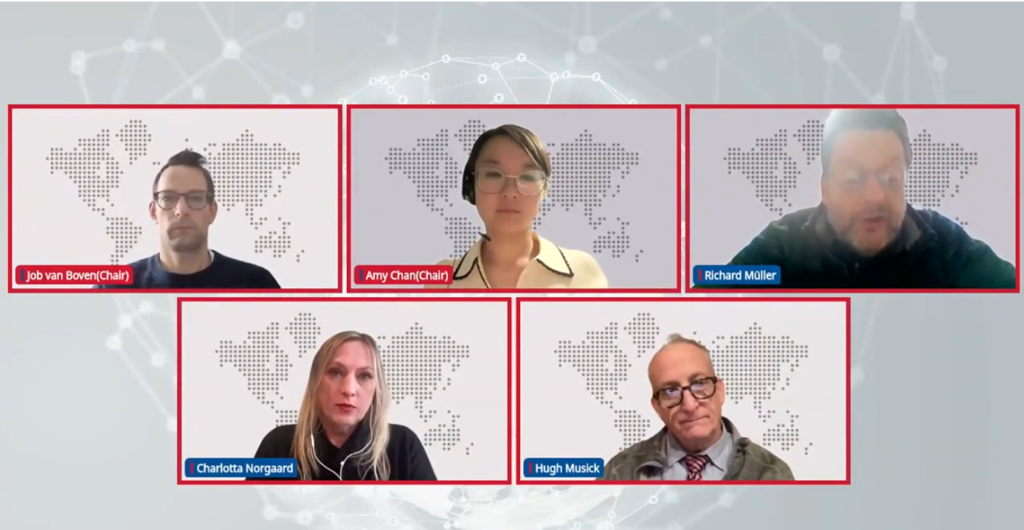
The Aspergillosis PAG has been instrumental in drafting a comprehensive "Living with Aspergillosis" guide. Unlike traditional medical literature, this guide addresses the "human" side of the condition: navigating employment, managing treatment-related anxiety, and travel planning. Simultaneously, the Bronchiectasis group continues to lead in event-based advocacy, with their recent conference facilitating direct dialogue between patients and the researchers behind the ESCAPE trial.
Asthma and the SHARP Initiative
The Asthma PAG remains deeply embedded in the Severe Heterogeneous Asthma Research Collaboration (SHARP). A major ongoing project is a survey led by Hilary Hodge, which investigates the intersection of parenting and chronic illness. This work is critical for identifying systemic gaps in support for families, proving that the PAG’s reach extends far beyond the clinical consultation room.
Chronic Cough and the Shift in Definition
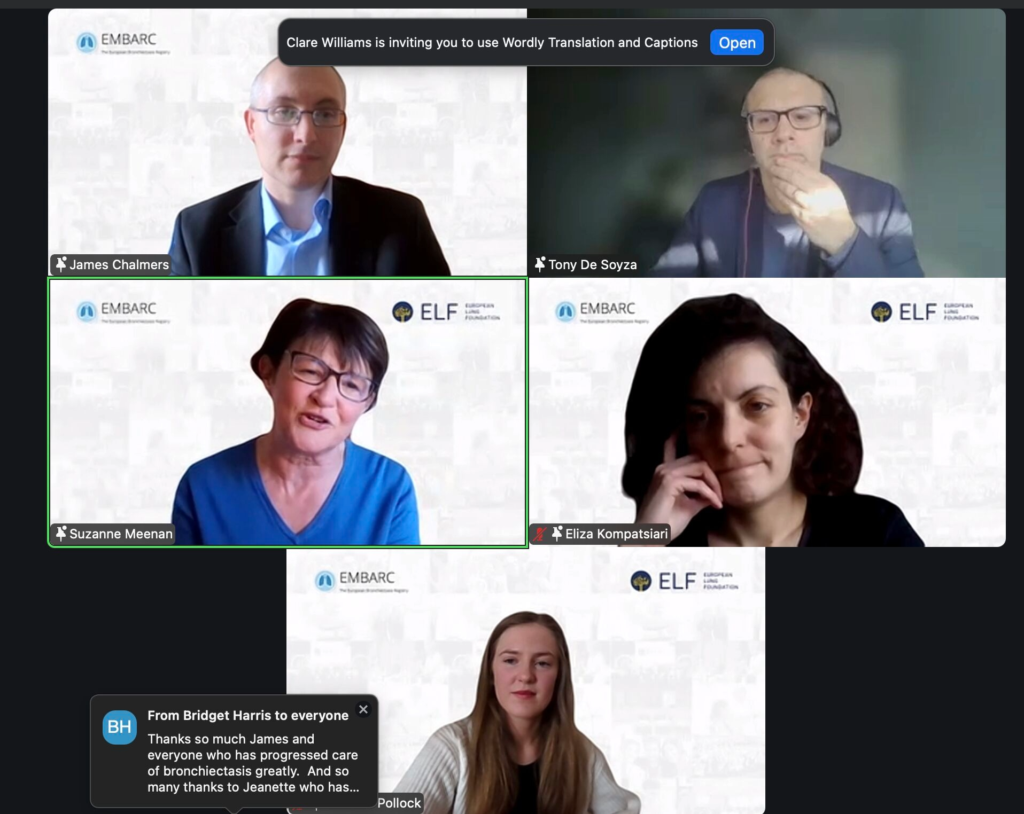
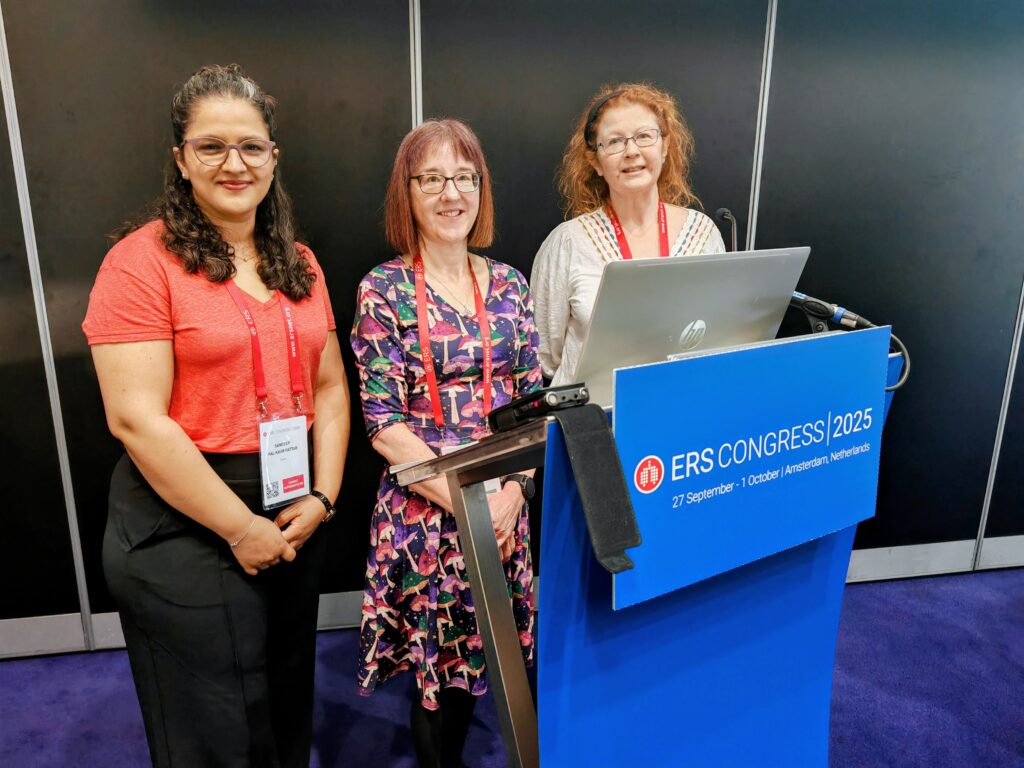
Perhaps one of the most significant conceptual shifts is being led by the Chronic Cough PAG. Members Caroline and Sandeep are working with an ERS task force to reclassify chronic cough as a distinct condition rather than a mere symptom. This shift in nomenclature has profound implications for how the condition is funded, researched, and treated across European healthcare systems.
COPD and Palliative Care
The COPD PAG is championing a crucial, often overlooked area: access to palliative care. Through the EU-funded PAL-COPD project, members are ensuring that patients with advanced COPD have access to specialized care that prioritizes dignity and symptom management, moving the conversation away from purely curative goals.
Lung Cancer and Early Detection
The Lung Cancer PAG has focused on the implementation of CT screening. By participating in ERS task forces, members have ensured that the communication of screening results—a high-stress event for patients—is handled with empathy and clarity. The upcoming "Guidelines in Focus" video featuring Janette Rawlinson will serve as a tool for clinicians to understand the patient experience of screening.
Pulmonary Fibrosis (PF) and Pulmonary Hypertension (PH)
The PF PAG is tackling the complexity of international health systems with a new "transplantation country guide," which will allow patients to understand their options for care across borders. Meanwhile, the PH PAG is looking toward the future of education with the launch of the PH Academy, an online initiative designed to turn patients into "expert advocates."
Sarcoidosis and AI Integration
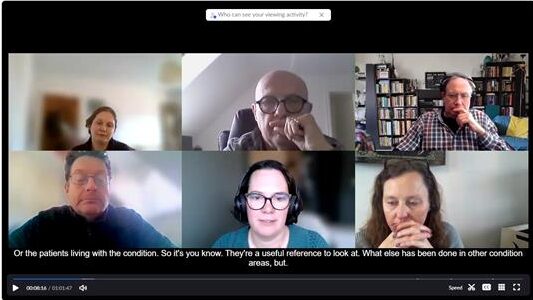
In an innovative pilot, the Sarcoidosis PAG has tested the efficacy of Artificial Intelligence (AI) in health information. By feeding patient-generated questions into AI tools and auditing the accuracy of the responses, they are providing a blueprint for how technology can be safely and effectively used to support patient queries.
Supporting Data and Evidence
The impact of these groups is supported by their integration into the European Respiratory Society’s (ERS) structural framework. By contributing to official monographs, clinical guidelines, and webinars on decentralized clinical trials, PAG members are providing "real-world evidence" (RWE) that is increasingly valued by regulatory bodies.
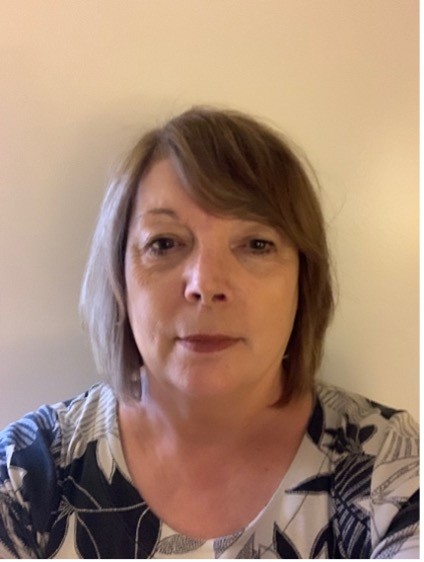
For example, the participation of PAG members in the "Guidelines in Focus" series and ERS congress presentations demonstrates that the patient perspective is now a standard requirement for high-level medical publications, rather than an optional add-on.
Official Responses and Strategic Implications
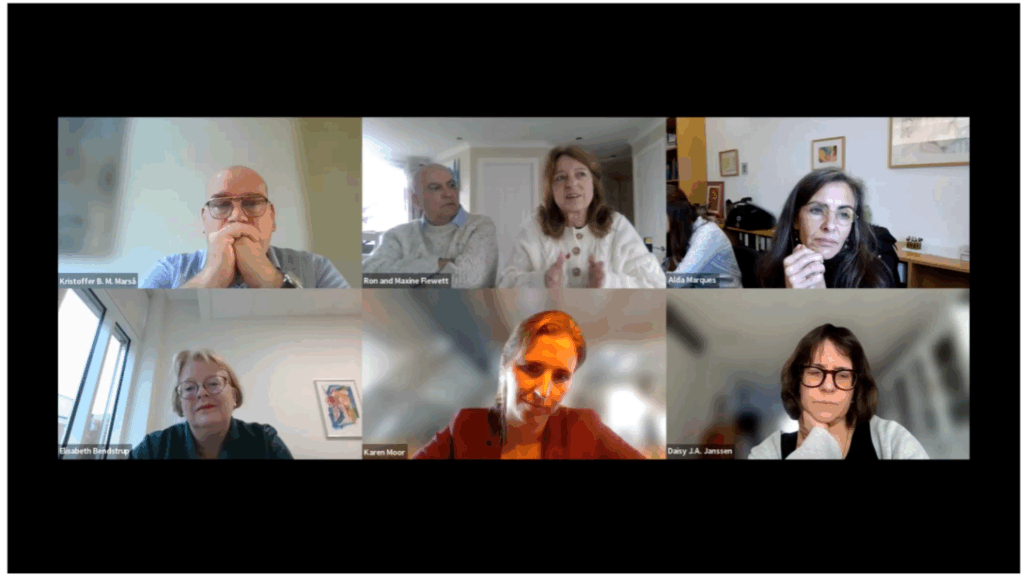
The leadership at the European Lung Foundation views these PAGs as the "eyes and ears" of the respiratory community. By decentralizing advocacy, ELF has created a model where the specific needs of patients with rare conditions (like AATD or Sarcoidosis) are treated with the same scientific rigor as more common conditions like Asthma or COPD.
The implications of this work are three-fold:
- Clinical Relevance: Research is now more likely to address the symptoms that matter most to patients, such as fatigue and quality of life, rather than just physiological markers.
- Resource Allocation: By identifying "gaps in support," these groups provide a roadmap for healthcare systems to distribute funding where it is most needed.
- Empowerment: Through initiatives like the European Patient Ambassador Programme (EPAP), ELF is training the next generation of patient leaders, ensuring that the advocacy movement is sustainable and professional.
Conclusion: A Call to Action
The progress made by the ELF Patient Advisory Groups in May 2026 highlights a fundamental truth: patient involvement is not just a moral imperative; it is a clinical necessity for successful research.

As these groups continue to grow, the invitation remains open to all those living with lung conditions to participate. Whether through the self-learning modules of the EPAP or by joining a dedicated PAG, the opportunity to shape the future of respiratory medicine is within reach. For those interested in lending their voice to these efforts, the ELF can be contacted at [email protected].
The work of these 12 groups proves that when patients are given a seat at the table, the resulting research is more innovative, more accessible, and ultimately, more human.