





This report synthesizes evolving clinical data and public health research regarding the intersection of chronic metabolic conditions, social determinants of health, and the SARS-CoV-2 virus. Last updated: October 24, 2020.
Introduction: A Multi-Front Public Health Challenge
The emergence of SARS-CoV-2, the novel coronavirus responsible for the COVID-19 pandemic, has fundamentally altered the global healthcare landscape. While the virus was initially understood as a respiratory threat, subsequent months of clinical observation have revealed a far more complex picture. COVID-19 does not act in a vacuum; its severity is inextricably linked to the pre-existing health status of the population.
Emerging data underscores that individuals with metabolic dysfunction—specifically those living with obesity—face significantly elevated risks of severe outcomes. Furthermore, the pandemic has acted as a diagnostic tool for the American healthcare system, exposing deep-seated systemic inequities that leave racial and ethnic minority communities disproportionately vulnerable. This report examines the data surrounding these risks, the structural failures they highlight, and the imperative for comprehensive, equity-focused public health strategies.
Main Facts: The Clinical Connection Between Obesity and COVID-19
The relationship between obesity and severe COVID-19 has become a focal point of medical research. A comprehensive systematic review of 75 peer-reviewed studies has provided alarming clarity on the impact of body mass index (BMI) on clinical outcomes. Compared to individuals maintaining a healthy weight, those with obesity face:
- 113% higher risk of hospitalization.
- 74% higher risk of admission to an intensive care unit (ICU).
- 48% higher risk of mortality.
These statistics are not merely correlative; they represent a significant shift in how clinicians assess patient risk. As the virus continues to circulate, understanding why obesity creates such a profound vulnerability is essential for both triage and long-term preventative care.
Chronology of Scientific Understanding
The scientific community’s understanding of COVID-19’s interaction with metabolic health has evolved rapidly since the first reports emerged in early 2020.
- Early 2020: Initial observations from Wuhan, China, and Northern Italy indicated that age was the primary driver of mortality. However, clinicians soon noted that younger patients requiring ventilation frequently shared a common trait: obesity.
- Spring 2020: Large-scale cohort studies in the United Kingdom and the United States began to quantify the "obesity penalty." Data suggested that obesity was not just a secondary factor but a primary driver of pulmonary complications.
- Summer 2020: The publication of systematic reviews consolidated disparate data points, confirming that the risk profile for those with obesity mirrored that of other high-risk groups, such as the elderly or those with chronic kidney disease.
- Autumn 2020: The focus shifted toward the biological mechanisms of this interaction, including the role of chronic inflammation (adiposity-driven cytokine storms) and the systemic burden of comorbidities often clustered with obesity.
Supporting Data: Why Obesity Increases Risk
The mechanism through which obesity exacerbates COVID-19 is multifaceted. While clinical research is ongoing, experts point to several biological pathways that render the body less capable of mounting an effective defense against the virus.
1. Chronic Systemic Inflammation
Obesity is characterized by a state of chronic, low-grade systemic inflammation. Adipose tissue (body fat) is not merely energy storage; it is an active endocrine organ that secretes pro-inflammatory cytokines. When a patient with obesity contracts SARS-CoV-2, their immune system may already be in an "activated" state, potentially leading to a dangerous "cytokine storm"—an overreaction of the immune system that causes severe damage to healthy tissues, particularly the lungs.
2. Reduced Pulmonary Function
Individuals with obesity often exhibit decreased functional residual capacity and lower lung compliance. The physical pressure of adipose tissue on the diaphragm and chest wall restricts lung expansion, making it more difficult to maintain adequate oxygen levels. When pneumonia—a hallmark of severe COVID-19—sets in, these individuals have less "reserve" to withstand the decline in respiratory function.
3. Metabolic Dysfunction and Comorbidities
Obesity rarely exists in isolation. It is strongly linked to a cluster of metabolic conditions, including:
- Type 2 Diabetes: Impairs immune response and slows healing.
- Cardiovascular Disease: Increases the risk of clotting, a common complication of COVID-19.
- Hyperlipidemia and Hypertension: Exacerbate the strain on the cardiovascular system during the physiological stress of a viral infection.
The Intersection of Health Inequity
Perhaps the most sobering realization of the pandemic is that COVID-19 has not affected all populations equally. In the United States, Black, Hispanic, and Native American communities have experienced significantly higher rates of infection, hospitalization, and death.
This disparity is not biological; it is structural. Long-standing systemic health and social inequities—often referred to as the "social determinants of health"—have placed these communities at the center of the storm. Factors such as lower access to high-quality healthcare, higher likelihood of living in multi-generational or crowded housing, and the necessity of working in high-exposure "essential" jobs have compounded the risk.
Furthermore, the prevalence of obesity and diabetes in these populations is often driven by "food deserts" (areas lacking access to fresh, nutritious food), systemic stress, and the high cost of healthy living. When a virus exploits these structural vulnerabilities, the result is a massive gap in health outcomes that reflects societal failures rather than individual choices.
Official Responses and Policy Implications
The pandemic has laid bare the critical need for a paradigm shift in how the United States manages public health. The existing model—which often treats infectious disease and chronic disease as separate silos—is insufficient.
The Need for Coordinated Federal Action
Public health experts argue that there is an urgent need for federal funding to be redirected toward comprehensive obesity prevention. This includes:
- Policy Intervention: Subsidizing fresh produce, taxing sugar-sweetened beverages, and implementing school-based wellness programs.
- Healthcare Reform: Ensuring that metabolic health is treated as a priority in primary care, with improved access to nutrition counseling and obesity-prevention strategies.
- Targeted Investment: Directing resources toward vulnerable and minority communities to address the root causes of metabolic disparity, including housing stability, economic security, and environmental health.
Strategies for Personal Resilience
While structural change is essential, individual health maintenance remains a critical component of pandemic survival. Although no specific food or supplement can "prevent" COVID-19, supporting the immune system through holistic lifestyle habits is recommended by major health organizations.
1. Nutritional Integrity
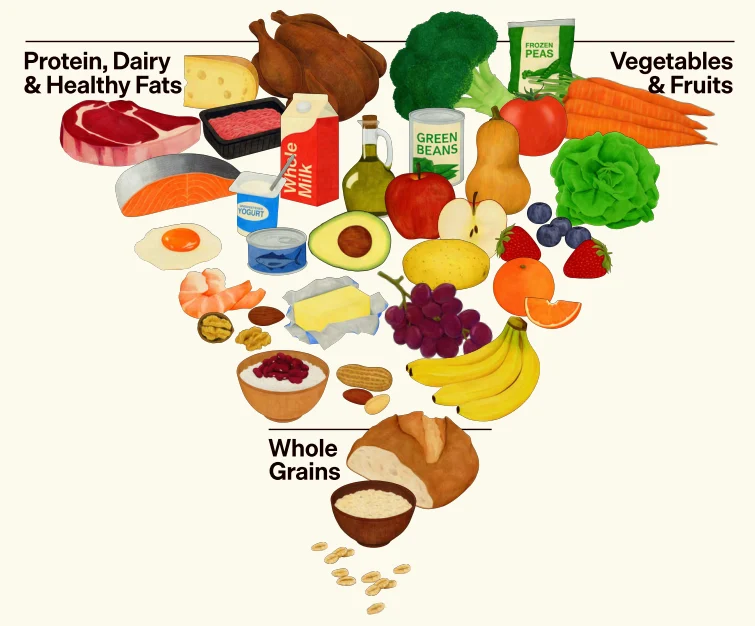
A diet rich in whole foods, vegetables, fruits, and lean proteins provides the micronutrients necessary for immune function. Minimizing highly processed foods that contribute to chronic inflammation is a vital step in improving metabolic health.
2. Physical Activity
Even moderate increases in daily movement can improve insulin sensitivity and cardiovascular health. For those under lockdown or quarantine, home-based exercise remains an effective way to support metabolic stability.
3. Stress Management and Sleep
Chronic stress elevates cortisol levels, which can suppress the immune system over time. Prioritizing 7–9 hours of sleep and practicing mindfulness or stress-reduction techniques are not luxury behaviors; they are essential pillars of physiological defense against illness.
4. Continued Vigilance
As of late 2020, public health guidance remains clear: masking, social distancing, and rigorous hand hygiene are the primary defenses against transmission. These measures protect not only the individual but also those in the community who are most medically vulnerable to severe outcomes.
Conclusion: A Call for Systemic Change
The COVID-19 pandemic has served as a harsh instructor, teaching us that our health is fundamentally interconnected. We cannot ignore the rise of chronic metabolic disease and expect to remain resilient in the face of future infectious threats. By addressing the root causes of obesity, prioritizing the health of marginalized communities, and reforming our healthcare system to focus on prevention, we can build a more resilient society. The crisis of today must become the catalyst for a healthier, more equitable tomorrow.
For additional resources, tools, and evidence-based tips on nutrition and wellness during the pandemic, visit The Nutrition Source.