




In the complex machinery of the human body, the outer thighs are often the unsung heroes of daily physical function. While aesthetic goals frequently drive interest in leg training, the functional importance of the hip abductors and the lateral musculature of the thigh cannot be overstated. These muscle groups—including the gluteus medius, tensor fascia latae, and the vastus lateralis—serve as the primary stabilizers for our pelvis, hips, and knees.
When these muscles are weak, the entire kinetic chain suffers. From the simple act of walking to the more demanding tasks of climbing stairs or navigating uneven terrain, outer thigh strength is the invisible hand that keeps us upright, balanced, and pain-free. To help shed light on this critical aspect of fitness, we consulted with Domenic Angelino, MS, MPH, CSCS, CPT, Chief Exercise Scientist at FitCraft, to outline a comprehensive approach to strengthening these vital muscle groups.
The Science of Stability: Why Outer Thighs Matter
The primary function of the outer thigh musculature is hip abduction—the movement of the leg away from the midline of the body. Beyond this isolated movement, these muscles are tasked with the continuous micro-adjustments required to keep the pelvis level during every step we take.
When the gluteus medius and associated lateral stabilizers are under-developed, the body compensates in ways that can lead to chronic injury. This is particularly relevant for aging populations, where hip stability is a major factor in preventing falls and maintaining functional independence. By investing time in targeted outer thigh training, individuals can effectively "armor" their joints, reducing the risk of IT band syndrome, knee pain, and lower back discomfort.
Expert Insights: A Strategic Approach to Training
According to Domenic Angelino, the challenge with outer thigh training is that many common gym movements—like standard squats or leg presses—favor the front (quadriceps) or back (hamstrings) of the legs, leaving the lateral stabilizers to atrophy.
"To achieve real, functional results, you must move beyond traditional linear movements," says Angelino. "You need exercises that specifically force the outer hip and thigh to work against resistance while maintaining pelvic stability."
Below, we break down four essential standing exercises recommended by Angelino that can be integrated into any fitness regimen, ranging from beginner to advanced.
1. Standing Hip Abductions: The Isolation Essential
The Standing Hip Abduction is perhaps the most direct way to target the gluteus medius and tensor fascia latae. Because this movement is performed in an upright position, it forces the stabilizing leg to engage in a static contraction while the working leg moves through its range of motion.
The Mechanics
"You generally want to keep your torso rigid and straight while lifting one leg up laterally," explains Angelino. "This allows you to directly train your hip abductor muscles. The beauty of this exercise lies in its versatility; you can perform it with just your body weight, or increase the intensity using cable machines or resistance bands."
For those concerned about balance, Angelino suggests standing next to a wall or a sturdy chair. This provides an extra layer of safety, allowing the trainee to focus entirely on the muscular contraction of the outer hip rather than worrying about falling.
Why It Works
By isolating the hip abductors, you remove the reliance on the larger, more dominant quadriceps. This ensures that the smaller, often neglected stabilizing muscles are forced to do the heavy lifting, which is the primary driver of growth and increased endurance in these tissues.
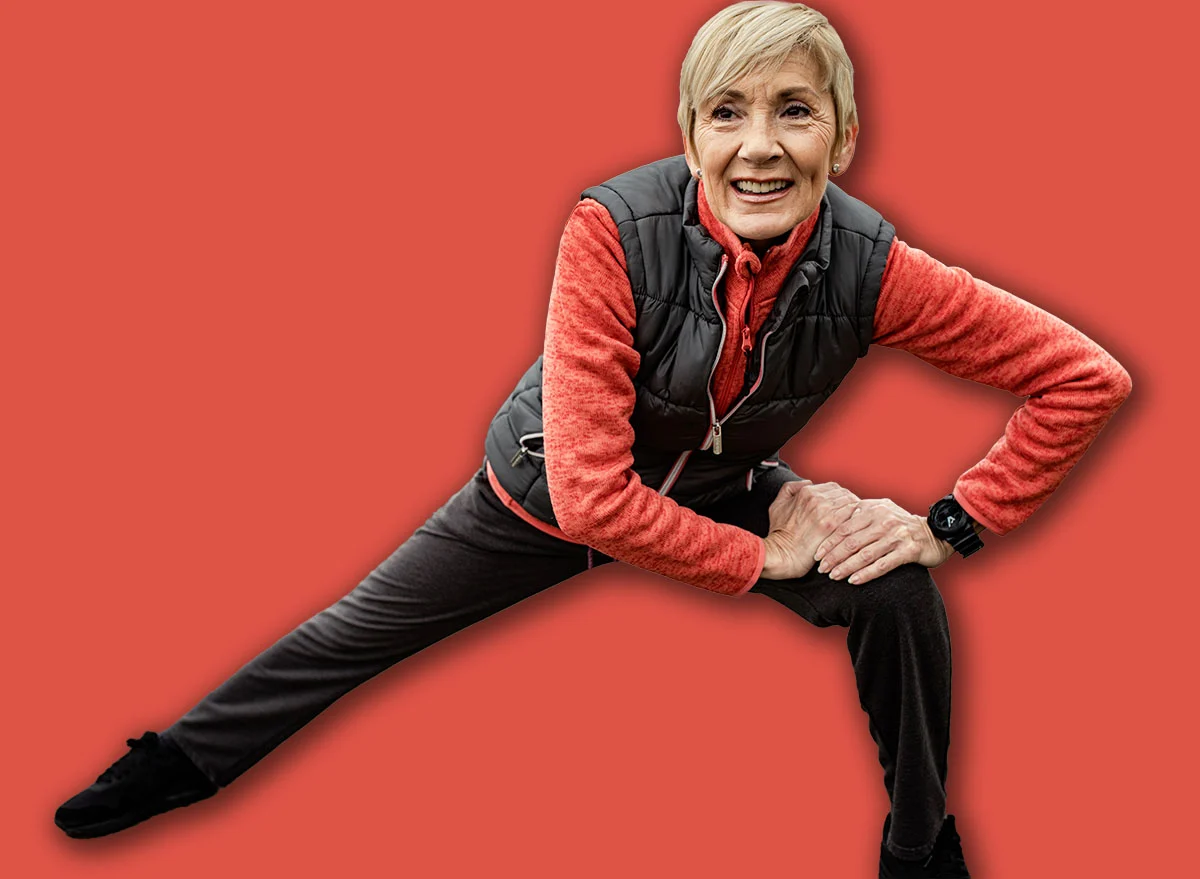
2. Lateral Lunges: Multi-Planar Strength
While most human movement occurs in the "sagittal plane" (forward and backward), the lateral lunge introduces movement in the "frontal plane" (side-to-side). This is critical for true functional fitness.
The Mechanics
Lateral lunges activate the vastus lateralis—the outer-side portion of the quadriceps—alongside the gluteus medius. "This exercise is particularly helpful for training the outer thighs because it allows you to work in a deep range of motion," Angelino notes. "When you press off the ground with your foot to return to a standing position, you are engaging the outer thigh muscles that work at the knee joint and the outer gluteal muscles that work at the hip joint."
The Functional Implication
Life rarely happens in a straight line. Whether you are stepping off a curb or catching yourself after a stumble, the ability to generate force from a lateral position is a hallmark of physical resilience. By training the lateral lunge, you prepare your body to handle forces that would otherwise overwhelm an untrained hip joint.
3. Side Step-Ups: Building IT Band Integrity
The iliotibial (IT) band is a thick band of fibrous tissue that runs down the outside of the thigh. While it is not a muscle itself, its function is entirely dependent on the strength of the muscles it connects.
The Mechanics
"Side step-ups are highly effective at improving IT band strength," says Angelino. "It’s a part of your outer thigh that is responsible for stabilization. It can’t be trained directly in a meaningful way, but it improves when it is forced to stabilize your legs during certain movements."
By stepping up and down from a raised platform laterally, the muscles surrounding the IT band are forced into high-activation states. This dynamic tension strengthens the tissues around the knee, creating a more robust structure that is less prone to the friction and inflammation associated with "runner’s knee" or general lateral knee pain.
4. Sumo Squats: Wide-Stance Power
The sumo squat is a variation of the traditional squat that requires a significantly wider stance, with toes pointed outward. This adjustment is not just for variety; it is a tactical change in body mechanics.
The Mechanics
"The sumo squat’s wide stance is what makes it superior to a normal squat for targeting the outer thigh muscles," says Angelino. "Because you are in a wider position, you are able to load more weight while maintaining stability. Using more weight means you provide a stronger stimulus to your muscles and improve faster."
The Benefit of Heavy Loading
Because the sumo squat is a compound movement, it allows for greater mechanical overload than isolation exercises. When the outer thighs are subjected to heavy loads in a wide-stance position, the vastus lateralis and the glutes are recruited to provide the force necessary to return to the starting position. This helps in building the dense, functional muscle mass required for long-term health.
Implications for Long-Term Health
The implications of integrating these exercises into a weekly routine extend far beyond the gym floor. As we age, the loss of muscle mass (sarcopenia) and the degradation of joint stability are the two most significant factors leading to mobility loss.
Chronology of Results
- Weeks 1–4: Neuromuscular adaptation. You may notice improved balance during daily tasks and a reduction in minor "niggles" or stiffness in the hips.
- Weeks 4–8: Hypertrophy and strength gains. You will likely find that you can perform these movements with more control or heavier resistance, and stair climbing becomes noticeably easier.
- Weeks 8+: Structural integration. The muscles have become conditioned to stabilize the pelvis automatically, reducing the cognitive effort required for physical movement and lowering the threshold for injury.
A Professional Recommendation
To maximize these benefits, Angelino suggests a balanced approach: "Don’t rush the process. Focus on the quality of the movement—the ‘squeeze’ at the top of the hip abduction or the depth of the lateral lunge—rather than just the number of repetitions. Consistency is the primary factor in building durable, strong outer thighs."
Whether you are an athlete looking to improve your lateral agility or an individual focused on maintaining independence into your later years, the outer thighs are a non-negotiable area of focus. By moving your body in multiple planes and challenging your stabilizers, you aren’t just sculpting your legs—you are fortifying your body’s foundation.
Disclaimer: This article is for informational purposes only and does not constitute medical advice. Always consult with a physician or a certified fitness professional before starting any new exercise program, especially if you have a history of hip or knee issues.