








As the global population ages, the medical community faces an escalating challenge: the biological decline of skin resilience. In older adults, even minor injuries can evolve into chronic, debilitating wounds, while surgical recovery often becomes a protracted, high-risk process. However, a frontier of research—focused on the biological "zombie cells" that accumulate with age—is offering a glimpse of a future where skin rejuvenation is not just cosmetic, but a clinical reality.
A groundbreaking study published in the journal Aging (Aging-US), led by researchers at the Boston University Aram V. Chobanian and Edward Avedisian School of Medicine, has demonstrated that topically applied senolytic drugs can "reset" aging skin, significantly accelerating the healing process. By purging the skin of cells that have outlived their utility, scientists may have unlocked a method to restore the robust healing capacity typically lost to time.
The Problem: The Accumulation of Cellular "Zombies"
To understand this breakthrough, one must first understand the concept of cellular senescence. Throughout our lives, cells divide to maintain tissues. However, after a certain number of divisions, or in response to stressors like DNA damage, cells stop dividing. These are "senescent" cells.
While senescence serves as a protective mechanism—preventing damaged cells from becoming cancerous—these cells do not always vanish. Instead, they linger, entering a persistent state of metabolic activity. Far from being dormant, these "zombie cells" secrete a cocktail of inflammatory proteins, growth factors, and proteases known as the Senescence-Associated Secretory Phenotype (SASP).
In youth, the immune system efficiently clears these cells. But as we age, our immune surveillance wanes, and these zombie cells accumulate, acting as a "grit" in the gears of our biological machinery. They create a chronic, low-grade inflammatory environment that degrades healthy tissue, inhibits collagen production, and ultimately blunts the skin’s ability to respond to trauma.
Chronology of the Discovery: From Bench to Bedside Potential
The journey toward this discovery has been marked by a series of incremental, yet vital, scientific leaps.
2024: The Boston University Milestone
The primary study, titled "Topical ABT-263 treatment reduces aged skin senescence and improves subsequent wound healing," focused on the drug ABT-263 (navitoclax). The research team, including Maria Shvedova, Rex Jeya Rajkumar Samdavid Thanapaul, and Daniel S. Roh, hypothesized that if they could selectively eliminate these senescent cells locally, the skin’s native repair pathways might be "reawakened."
In their experiment, the team applied ABT-263 topically to the skin of aged mice for five days. The results were striking: the treated skin showed a significant reduction in senescence markers. When the researchers subsequently introduced standardized wounds, the treated mice exhibited a accelerated recovery trajectory. By day 24, 80% of the treated mice had achieved full wound closure, compared to only 56% in the untreated control group.
2025-2026: The Broadening Scope
Following the Boston University study, the field expanded rapidly. A 2025 review in Ageing Research Reviews solidified the consensus that senescence is a primary driver of age-related dermatological decline. By 2026, researchers began testing the limits of this therapy. A study published that year demonstrated that a specialized wound dressing impregnated with ABT-263 could successfully improve healing in diabetic mouse models—a group notorious for having chronic, non-healing wounds due to high systemic inflammation and senescent cell accumulation.
Supporting Data: Why "Inflammation" Can Be a Tool
One of the most counterintuitive findings in the Boston University research was the discovery that ABT-263 caused a transient, short-lived burst of inflammation.
In clinical medicine, chronic inflammation is the enemy of healing. However, in the context of wound repair, a "controlled spike" of inflammatory signaling can act as a wake-up call for the immune system. The treatment appeared to trigger specific gene expression pathways associated with tissue remodeling. Researchers noted an uptick in collagen deposition, angiogenesis (the formation of new blood vessels), and extracellular matrix stabilization—all essential components of a healthy, rapidly closing wound.
This suggests that the problem with aging skin isn’t just the presence of zombie cells; it is the "noise" they generate, which drowns out the necessary signals for repair. By silencing the zombie cells, the skin becomes responsive once again to the biochemical commands required to bridge a wound.
The Strategic Advantage of Topical Delivery
A major hurdle in senolytic research has been the delivery method. Early senolytics were oral systemic drugs, which carry the risk of "off-target" effects—clearing senescent cells in organs where they might actually be needed or causing toxicity elsewhere in the body.
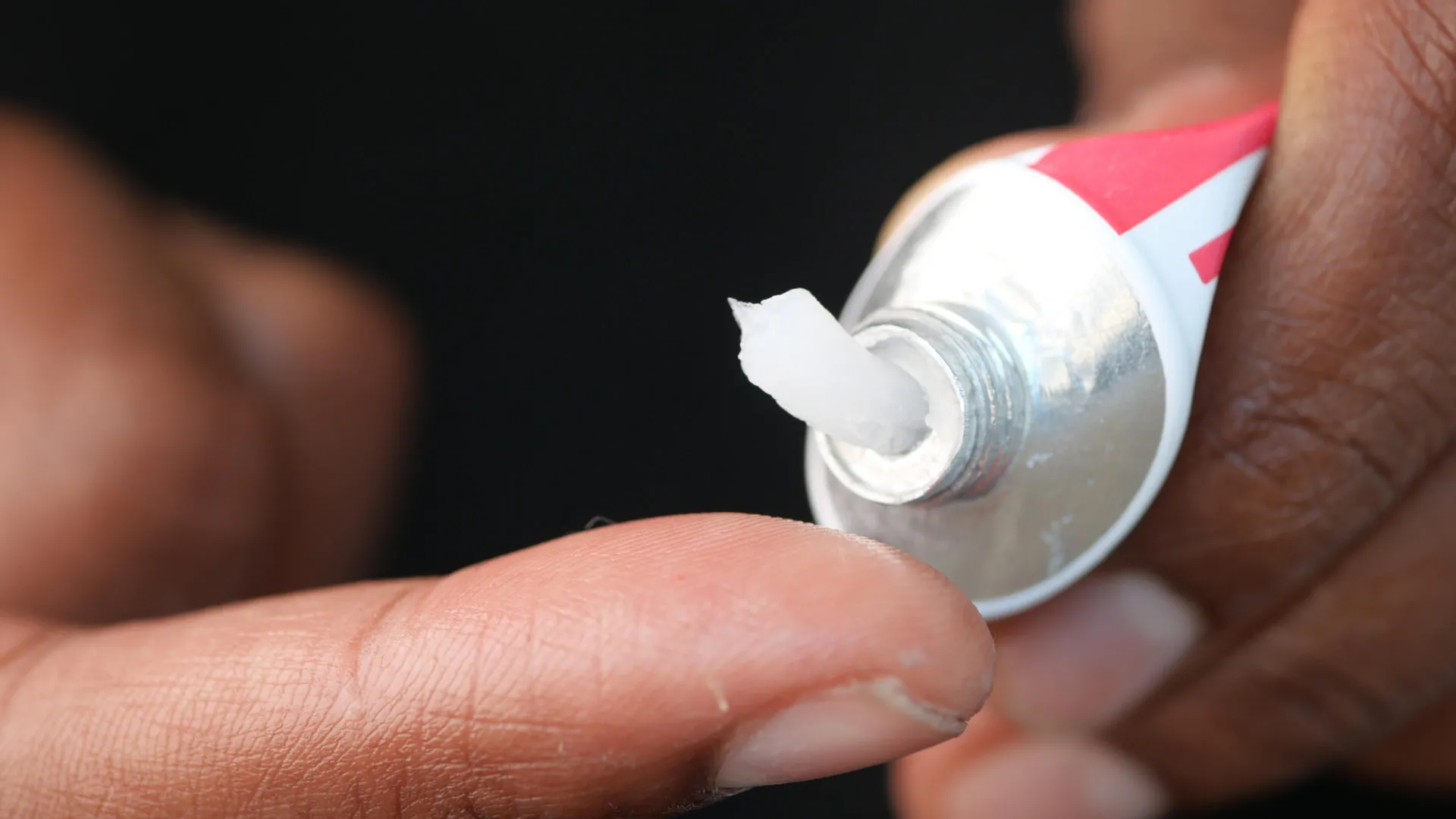
The transition to a topical formulation represents a paradigm shift. By applying the drug directly to the site of interest, researchers can achieve a high local concentration of the senolytic agent while minimizing systemic exposure. This targeted approach is particularly attractive for:
- Preoperative Care: Surgeons could treat the site of a planned incision days before surgery to "prime" the tissue for rapid closure.
- Chronic Wound Management: Patients with diabetic ulcers or pressure sores could use localized applications to clear the surrounding tissue of inflammatory debris, allowing the wound edges to migrate and close.
Official Perspectives and Scientific Caution
While the data is promising, the research team and the wider scientific community maintain a stance of rigorous caution.
The Nuance of Senescence
A 2024 review in Frontiers in Immunology provided a vital "reality check" for the field. The authors noted that senescence is not a black-and-white issue. Senescent cells are necessary during the early stages of wound healing to help coordinate the immune response. If a drug clears these cells too early or too aggressively, it could actually impair the healing process. The "Goldilocks" challenge for the future will be the timing: removing the harmful, chronic senescent cells without disrupting the functional, transient ones.
The Path to Human Trials
The current success in murine models is a powerful proof of concept, but it is not a direct predictor of human outcomes. Human skin is structurally more complex, thicker, and subject to different environmental pressures than that of mice.
Clinical researchers are now looking toward:
- Dosing Protocols: Determining the minimum effective dose to prevent potential irritation.
- Long-term Safety: Ensuring that repeated topical application does not induce long-term genomic instability in the skin.
- Human Feasibility: Translating these findings into clinical trials that can evaluate efficacy in human surgical recovery.
Future Implications: A New Era for Aging Patients
The implications of this research extend far beyond mere skin health. For an aging population, the ability to heal quickly is synonymous with the ability to maintain independence. A patient who heals in two weeks versus two months is less likely to develop secondary infections, less likely to require prolonged hospitalization, and less likely to suffer from the muscle atrophy associated with long periods of bed rest.
As Daniel S. Roh and his colleagues noted in their findings, "Our study underscores the potential of topical senolytic treatments to enhance wound healing in aging skin, presenting a potentially promising strategy for preoperative care."
Should these findings hold true in human trials, we may be approaching an era where "pre-surgical skin preparation" includes a course of senolytic cream. We might even see specialized wound care clinics utilizing these agents to treat the "diabetic foot" or the persistent venous leg ulcers that have plagued geriatric medicine for decades.
The "zombie cell" narrative has evolved from a terrifying concept in aging biology to a targetable, manageable reality. By clearing away the remnants of our cellular past, we may finally be able to secure a more resilient and functional future for our aging tissues. The research is still in its infancy, but the signal is clear: the path to faster, better healing is hidden within the very cells we have spent years trying to understand.