











By Emily Olsen | Published June 4, 2026
In the span of a single decade, the landscape of personal health management has undergone a seismic shift. Once considered niche gadgets for tech enthusiasts or elite athletes, wearable devices—smart rings, watches, and continuous glucose monitors—have become ubiquitous fixtures of modern life. Yet, as a comprehensive new report from Rock Health reveals, the surge in adoption has created a paradoxical "digital divide," where the individuals most in need of health monitoring are often the least likely to own these life-saving tools.
The Rapid Rise of the Quantified Self
The data is staggering. According to a survey of 8,000 Americans conducted by Rock Health, wearable ownership has skyrocketed from a mere 13% in 2015 to 46% as of last year. When factoring in broader categories of connected health devices, nearly 60% of U.S. adults now report owning at least one piece of health-tracking hardware.
This trend toward the "quantified self" is driven by a desire for granular data. The vast majority of these users are leveraging their devices to track the fundamental pillars of physiological health: physical activity, sleep architecture, and heart rate variability. The stickiness of these devices is equally noteworthy; 59% of respondents report wearing their devices "always or almost always," indicating that health tracking has become a permanent, reflexive component of their daily routines.
A Decade of Digital Evolution: A Chronology of Adoption
To understand how we arrived at this point, one must look at the trajectory of the wearable market:
- 2015–2017: The Fitness Tracker Era. Wearables were primarily pedometers. Devices like Fitbit dominated, focusing on step counts and basic calorie burning.
- 2018–2020: The Clinical Pivot. Manufacturers began integrating advanced sensors capable of detecting atrial fibrillation (AFib) and measuring blood oxygen levels. The Apple Watch and similar devices moved from "wellness" tools to "health" monitors.
- 2021–2023: The Remote Patient Monitoring (RPM) Surge. Driven by the COVID-19 pandemic, the healthcare industry accelerated its interest in remote data. Insurance companies began offering incentives for wearable use.
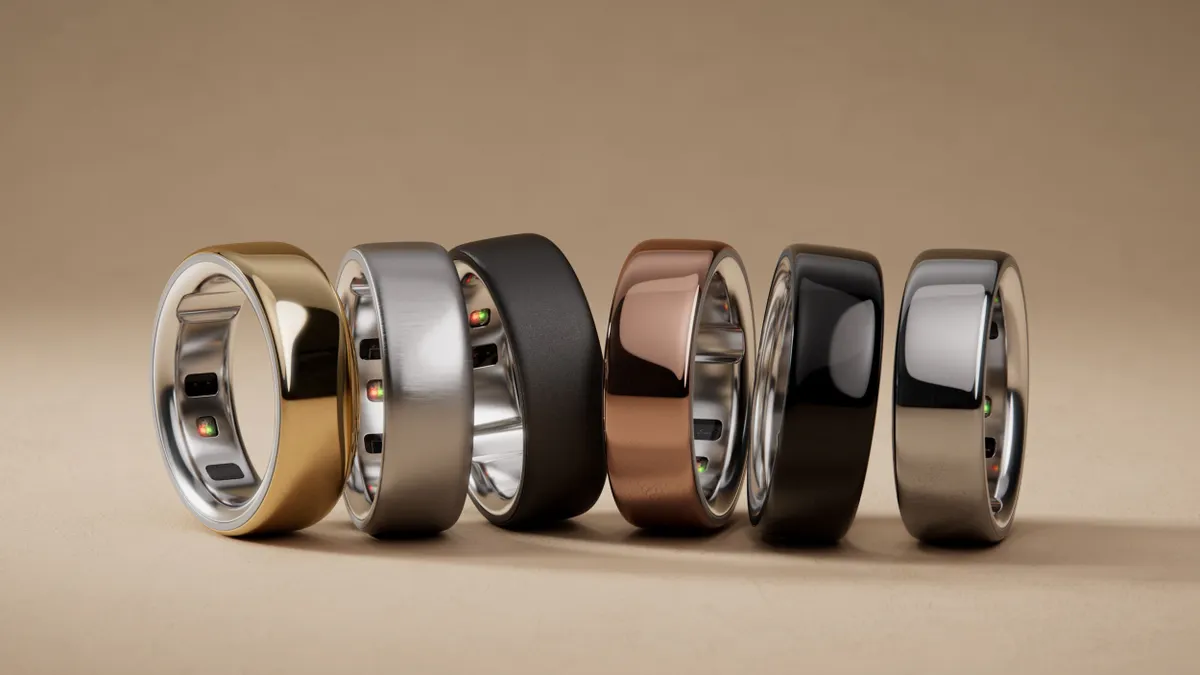
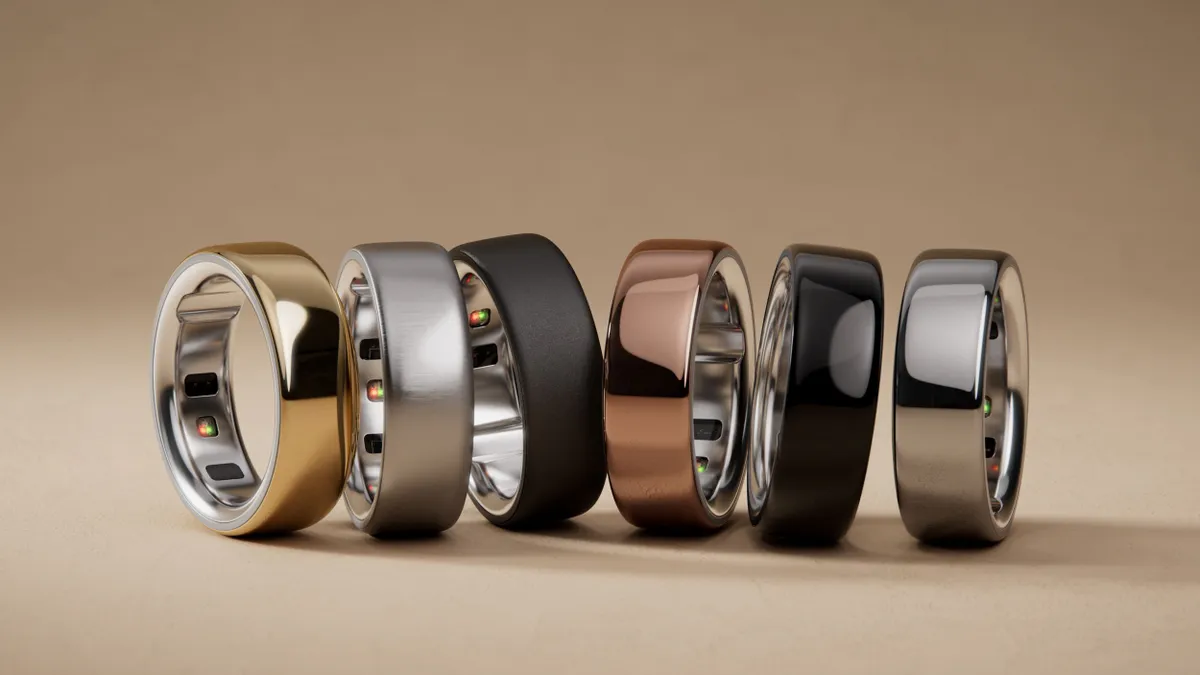
- 2024–2025: The Regulatory Shift. October 2024 saw the launch of high-end devices like the Oura Ring 4, which prioritized form factor and long-term sleep health. Simultaneously, the FDA began easing oversight, distinguishing between "wellness" devices and formal medical diagnostic equipment.
- 2026: The Integration Challenge. As of this year, the focus has shifted from adoption to utility. The industry is now grappling with how to integrate this influx of data into clinical workflows without overwhelming physicians.
Supporting Data: The Profile of the "Connected" Patient
Despite the broad increase in ownership, the demographic breakdown of wearable users reveals a concerning lack of inclusivity. Rock Health’s research paints a clear picture: the typical owner is younger, wealthier, more urban, and holds commercial health insurance.
Most tellingly, 23% of wearable owners rate their baseline health status as "excellent." This suggests that the devices are currently serving as "optimizers" for the healthy, rather than "interveners" for the chronically ill. When health monitoring is concentrated among the demographic least likely to suffer from acute health crises, the overall public health impact of the technology is inherently blunted.
Furthermore, the "gateway" to these devices is rarely the doctor’s office. More than 50% of users purchased their devices independently. Only 15% obtained them through a healthcare provider, and a meager 12% received them via their employer or insurer. This indicates a disconnect between the consumer tech market and the professional medical system.

Implications for Healthcare Systems and Liability
The report highlights a significant friction point: while patients are eager to share their data, healthcare providers are hesitant to receive it. Despite the majority of wearable owners expressing a desire to discuss their metrics with clinicians, many health systems have purposefully kept integrations like Apple HealthKit or Google Health disabled in their patient portals.
The primary driver of this resistance is twofold: liability and reimbursement.
"The liability question alone—what happens if a clinician misses a flagged fall or AFib alert?—has been enough to keep many traditional providers on the sideline," the Rock Health authors noted. Without a standardized protocol for how to handle "passive" data streams, clinicians fear that incorporating wearable data into the Electronic Health Record (EHR) could create a new category of medical malpractice risk.
Moreover, the lack of a clear reimbursement pathway for reviewing wearable data means that physicians are often asked to perform this work for free. In a fee-for-service environment, the time required to interpret complex data from a patient’s smart ring is time that cannot be billed, creating a structural disincentive for integration.

Official Responses and the Policy Landscape
The political and regulatory environment is currently in flux, with powerful forces pushing for wider adoption. The Trump administration has consistently advocated for the use of wearables as a means of reducing the burden on the traditional healthcare system, viewing the technology as a pillar of a more proactive, consumer-driven health model.
Early in 2026, the FDA provided much-needed clarity by releasing guidance on wearable oversight. The agency clarified that products measuring metrics such as blood pressure or blood glucose do not necessarily require classification as a "medical device" if they are marketed exclusively for "wellness purposes." This move is designed to lower the barrier to entry for tech companies, allowing them to iterate faster without the heavy burden of FDA clinical trials.
On the payment side, the Centers for Medicare and Medicaid Services (CMS) is attempting to bridge the gap. In December, CMS announced a payment experiment aimed at expanding access to technology-backed care for chronic conditions. By partnering with companies like Whoop and Withings, the agency is testing whether providing these devices to lower-income or chronically ill patients—and paying for the associated monitoring—can reduce long-term hospitalizations.
Conclusion: Bridging the Divide
The proliferation of wearables is an undeniable success story of the 21st-century technology sector. However, the next phase of this evolution must be focused on equitable distribution and clinical utility.
For wearables to move beyond being "toys for the healthy," three things must occur:
- Reimbursement Reform: CMS and private payers must establish sustainable billing codes that compensate providers for the time spent monitoring patient data.
- Liability Shielding: Legislative or regulatory frameworks must be established to protect clinicians from liability when they cannot respond in real-time to every alert generated by a consumer-grade device.
- Targeted Access: The industry must move away from a "one-size-fits-all" retail model and toward a model where providers prescribe specific devices to high-risk patients, subsidized by insurance.
As we move deeper into 2026, the technology is clearly ready. The question remains whether our institutional and economic systems can evolve fast enough to ensure that the "quantified self" benefits everyone, not just those who can afford the subscription fees.