









By Lizzy Lawrence
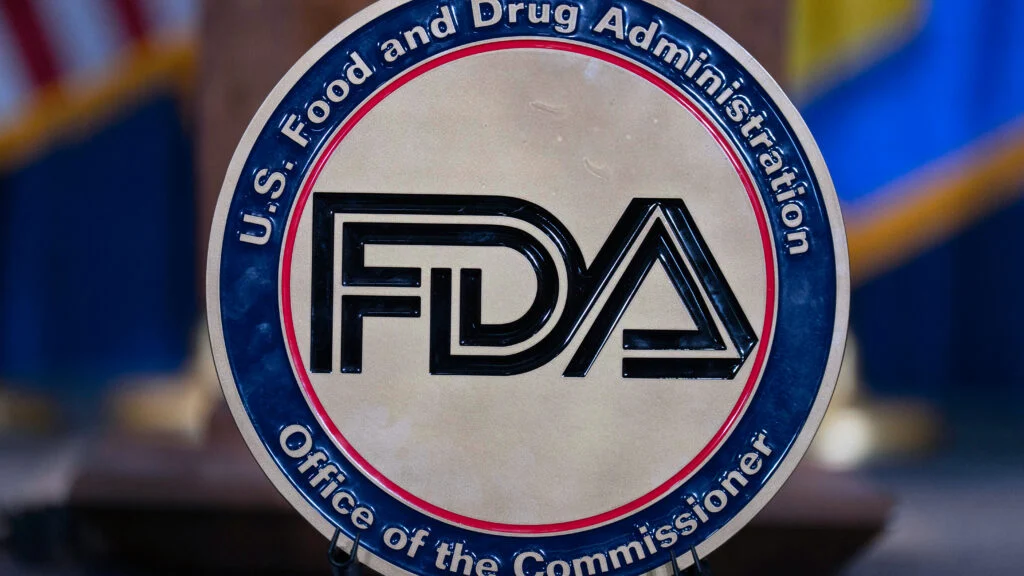
WASHINGTON — The sprawling White Oak campus of the Food and Drug Administration (FDA) became the epicenter of a high-stakes debate this past Thursday. Inside the agency’s auditorium, a diverse coalition of industry titans, patient advocacy groups, and skeptical academic researchers gathered for a public listening session. The subject of the day: the future of the Commissioner’s National Priority Voucher (CNPV) program, a controversial fast-track drug review initiative introduced roughly one year ago by former FDA Commissioner Marty Makary.
As the agency weighs whether to overhaul, maintain, or shutter the program, the session served as a stark reminder of the tension inherent in the FDA’s dual mandate—to protect the public through rigorous safety standards while simultaneously fostering the rapid delivery of life-saving medical innovations.
Main Facts: The Anatomy of the CNPV Program
The Commissioner’s National Priority Voucher program was designed as a radical disruption to the traditional, often glacial, pace of drug approval. Under the initiative, pharmaceutical companies could apply for an expedited review process—cutting approval times by one to two months—if their drug candidates could demonstrate that they "align with national priorities."
These priorities, as defined by the Makary administration, were ostensibly designed to tackle urgent public health crises and incentivize the development of innovative cures. However, the operational definition of these priorities remained notoriously vague, leaving industry observers and public health watchdogs to speculate on the criteria used to grant such prestigious, time-saving designations.
The Thursday listening session featured 17 speakers, representing a microcosm of the pharmaceutical ecosystem. While those companies that have already secured approvals via the voucher program championed its efficacy and ability to get medicines to patients in need, a significant majority of participants expressed deep-seated concerns. The prevailing sentiment among the dissenters was a call for the agency to immediately suspend the program, pending a comprehensive review and a transition to standard, transparent regulatory procedures that mandate robust public feedback.
Chronology: From Launch to Public Scrutiny
The trajectory of the CNPV program has been marked by rapid implementation and mounting friction.
- Mid-2024: Former FDA Commissioner Marty Makary formally unveils the National Priority Voucher program. The move is framed as a bold attempt to modernize the FDA’s administrative burden and respond to the urgent needs of the American public.
- Late 2024: The first set of vouchers are awarded. Several companies receive expedited reviews, fueling early optimism within the biotech sector regarding the potential for shortened development timelines.
- Early 2025: As more vouchers are issued, critics begin to question the consistency of the "national priority" designation. Concerns regarding the lack of clear, codified metrics for these priorities begin to dominate policy discussions.
- Mid-2025: Reports surface suggesting that the program’s criteria are susceptible to influence from external stakeholders, raising questions about political interference in what is traditionally a scientific, data-driven process.
- Thursday, Current Month: The FDA convenes a listening session at White Oak, marking the first formal public engagement effort to address the mounting chorus of criticism against the program’s structure and lack of transparency.
Supporting Data: The Impact of Expedited Reviews
To understand why the CNPV program is so contentious, one must look at the math of drug development. In the pharmaceutical industry, time is money—and time is also patient health. A reduction of one to two months in the FDA’s review cycle can translate into millions of dollars in revenue and, more importantly, weeks of earlier access for patients suffering from terminal or debilitating conditions.
However, the "speed" of drug approval is not merely a bureaucratic preference; it is a clinical safety mechanism. The FDA’s standard review process involves multiple tiers of scientific peer review, safety efficacy checks, and risk-benefit assessments. Critics argue that by bypassing portions of this process, the CNPV program creates a "fast lane" that may lack the same rigorous scrutiny as the traditional path.
Data from the session highlighted a dichotomy:

- Proponents’ Data: Supporters point to the successful, early release of several innovative treatments for rare diseases, arguing that the time saved by the vouchers directly correlates to patient survival.
- Critics’ Data: Academic researchers presented findings suggesting that "fast-tracked" drugs are historically more prone to post-market safety alerts, arguing that the compression of the review period limits the time available for regulators to fully evaluate long-term side effects or subtle clinical risks.
Official Responses and Stakeholder Perspectives
The atmosphere at the White Oak campus was professional yet tense. Agency leaders listened intently as the 17 speakers presented their case.
The Pharmaceutical Industry Perspective
Representatives from several mid-sized biotech firms spoke in favor of the program. They argued that the existing regulatory infrastructure is often stifled by administrative inertia. "The CNPV program isn’t about cutting corners; it’s about cutting bureaucracy," said one industry lobbyist. "We need a system that recognizes that some diseases move faster than the FDA’s current review timelines."
The Public Health and Academic Perspective
Conversely, representatives from consumer advocacy groups and public health think tanks offered a more sobering assessment. Their primary grievance was the "vague" nature of the program’s criteria. If the definition of a "national priority" can be adjusted by the political whims of the sitting commissioner, the FDA’s credibility as an independent scientific authority is compromised.
"We are not opposed to speed," one academic researcher noted. "We are opposed to a lack of accountability. If these drugs are to be fast-tracked, the process must be governed by transparent, evidence-based standards that are open to public comment—not by the opaque judgment of a single office."
Implications: The Future of Regulatory Oversight
The future of the CNPV program sits at a crossroads that will likely define the tenure of current FDA leadership. There are three potential paths forward:
- Status Quo with Reform: The FDA may choose to keep the program but refine the criteria, making the definition of "national priority" more rigid, objective, and publicly available. This would involve a transition to a more formal "notice and comment" rulemaking process, which would satisfy many critics but likely slow down the voucher issuance process.
- Formal Integration: The agency could move to integrate the program into the established regulatory framework, such as the Accelerated Approval pathway. This would ensure that the voucher program is bound by the same legal and procedural requirements as all other FDA activities, effectively stripping it of its "fast-track" independence.
- Total Termination: Given the intensity of the pushback, the FDA may decide that the risks to the agency’s reputation and the potential for political interference outweigh the benefits of the program. Ending the program entirely would be a victory for those who prioritize regulatory integrity over speed.
The Question of Political Influence
The most concerning implication for many is the specter of political influence. If the FDA allows its review processes to be directed by "priorities" that are not rooted strictly in clinical science, the agency risks becoming a tool for political posturing. This is particularly dangerous for an agency whose foundational power rests on the public’s trust that it is an objective arbiter of health and safety.
As the listening session concluded, the agency offered no immediate promises. Instead, officials reiterated that all feedback would be compiled into a report for internal review. The message from the scientific community, however, was clear: The FDA is at its best when it is predictable, transparent, and shielded from the pressures of political expediency.
Whether the Commissioner’s National Priority Voucher program survives in its current form or is consigned to the history books, the debate it has ignited will undoubtedly shape the FDA’s relationship with industry, the public, and the legislative branch for years to come.
If you have information regarding the inner workings of the FDA or the status of this program, you can contact me via Signal at lizzylaw.53. Your anonymity is protected.