







By Kari McBride
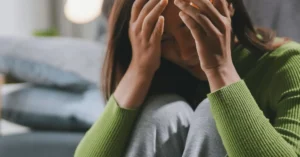
The phone call from the school nurse’s office was not merely a notification of illness; it was the catalyst for a fundamental shift in a mother’s understanding of childhood suffering. On the other end of the line, my seven-year-old daughter was sobbing, gripped by a level of back pain that rendered her unable to remain in the classroom. As I sat in my car, an hour away from the school, the familiar, stinging weight of "mom guilt" settled in. In that moment of helplessness, I realized that we had crossed a threshold: we were no longer managing standard post-surgical recovery. We had entered the uncharted, often isolating, and profoundly misunderstood territory of chronic pain.
The Chronology of an Unseen Struggle
The journey began with a spinal surgery that was meant to be a solution. Initially, the recovery followed a predictable, albeit difficult, trajectory. My daughter, typically vibrant and active, would wince and walk with a protective gait, whispering, “Oh, my poor little back.” As any parent would, I comforted her, confident that the surgical site would heal and the discomfort would subside.
However, months passed, and the surgical wound closed, leaving only a faint, linear scar as a reminder of the procedure. Yet, the pain remained, evolving and migrating with a persistence that defied medical logic. It began as localized back pain, then radiated into her legs. Soon, she began describing sensations of pins and needles—neurological "noise" that sent alarms through my maternal intuition.
For the next two years, our lives became a blur of medical appointments, diagnostic imaging, physical therapy evaluations, and endless, soul-crushing late-night internet searches. I was hunting for a "golden envelope"—a singular diagnosis that would provide a path to a cure. Each visit to a new specialist promised answers but often ended in defensive frustration. I was a mother witnessing my child suffer, and the medical community seemed unable to provide the explanation I so desperately craved.
The Medical Perspective: Understanding Chronic Pain in Children
Chronic pain in children is a clinical entity that often perplexes parents and practitioners alike. Unlike acute pain, which serves as a warning signal for tissue damage, chronic pain is defined by its persistence—usually lasting longer than three to six months. In pediatric cases, the mechanisms are often multifaceted, involving the central nervous system’s sensitivity rather than a localized injury.
According to data from the Journal of Pediatrics, chronic pain affects between 15% and 30% of children and adolescents. It is a condition that frequently lacks a clear "smoking gun" on an MRI or blood test. This absence of visible pathology is precisely what makes the condition so difficult for families to navigate.
The Turning Point: A Paradigm Shift
The turning point in our journey occurred during the 12th pediatrician visit in a single calendar year. The physician, recognizing my mounting desperation, sat me down to explain the nature of chronic pain. My initial reaction was one of defensive anger. To me, his words felt like a dismissal of my daughter’s reality. I interpreted his explanation of "incurable pain" as an admission of defeat.
It took several months of further searching before we reached a pediatric pain specialist. During that session, I broke down. It was the culmination of two years of fear. When the specialist calmly explained, “There is nothing physically wrong with her; this is chronic pain,” I finally stopped fighting the definition and started listening to the implications.
Supporting Data and Clinical Implications
Pediatric chronic pain is not merely a physical symptom; it is a biopsychosocial phenomenon. Research suggests that when a child experiences pain that persists beyond the healing phase of an injury, the nervous system can become "sensitized." This means that the pathways carrying pain signals become hyper-reactive.
The Role of the Biopsychosocial Model
Medical experts now utilize the biopsychosocial model to treat these patients. This approach acknowledges that while the pain is physical, it is deeply intertwined with emotional, social, and environmental factors.
- Biological: Genetic predisposition and the nervous system’s heightened sensitivity.
- Psychological: The impact of pain on the child’s mood, anxiety levels, and self-efficacy.
- Social: How school attendance, peer relationships, and family dynamics interact with the child’s pain management.
For families, this means the goal of treatment shifts from "curing" the pain to "functional restoration." It is a move away from the hunt for a magic pill toward a strategy involving cognitive-behavioral therapy, graded physical activity, and nervous system regulation.
Official Responses and Changing Standards of Care
The medical community has been steadily evolving in its approach to pediatric chronic pain. Organizations like the American Pain Society and various pediatric pain institutes emphasize that chronic pain is a legitimate, diagnosable condition.
The primary recommendation for parents and clinicians is to validate the child’s experience immediately. When children feel their pain is doubted, their anxiety increases, which in turn exacerbates the pain signal. The "official" stance in modern pediatric medicine is that the pain is real, regardless of whether a physical source can be identified on a scan. Treatment is now focused on helping the child return to school, play, and age-appropriate activities, rather than focusing solely on pain reduction.
The Philosophy of Acceptance: Moving Forward
Acceptance was perhaps the most difficult stage of this journey, yet it was the most liberating. For a long time, I mistook acceptance for surrender. I believed that if I accepted the diagnosis, I was giving up on my daughter. I was wrong.
Acceptance did not mean that her pain was "all in her head." It did not mean we stopped seeking therapies or that we lost hope for her future. Instead, acceptance meant letting go of the exhausting, futile search for a single, definitive "fix" that would erase the past two years.
Redefining Normalcy
Today, my daughter still lives with chronic pain. We still encounter difficult days where the pain spikes and the questions—Why us? Why her?—resurface. But the way we navigate those days has changed. We no longer treat life as if it is "on hold" until the pain disappears. We have learned to live with the pain, rather than waiting for it to exit our lives so that we can finally begin living.
Acceptance has allowed me to meet my daughter where she is in the present moment, rather than spending our collective energy mourning the child I thought she would be without this burden. It has changed our family dynamic from one of constant crisis management to one of resilience and adaptation.
Implications for Other Parents
For parents currently in the trenches of the medical system, searching for answers for a child in pain, the path is arduous. The implications of this journey are clear:
- Validation is Key: Your child’s pain is real. Do not let anyone—including yourself—diminish the significance of their experience.
- Shift the Goal: If a medical cure is not immediately available, shift your focus to functional goals. Can they return to school? Can they engage in social activities? Success is measured in the child’s ability to live a full life despite their limitations.
- Seek Multidisciplinary Support: The best outcomes often come from teams that include physical therapists, psychologists, and pain specialists working in tandem.
- Practice Self-Compassion: The "mom guilt" is a byproduct of love, but it is not a constructive tool. Accept that you are doing your best in a complex situation.
My daughter’s journey with chronic pain is not a tragedy to be hidden; it is a reality to be managed with grace and clinical precision. While I may still grieve the ease of her earlier childhood, I have found a new kind of strength in our resilience. We are no longer waiting for the pain to leave. We are choosing to live, loudly and fully, in the presence of it.