









Date: 6 August, 2026
Location: Global Respiratory Community (via ERS)
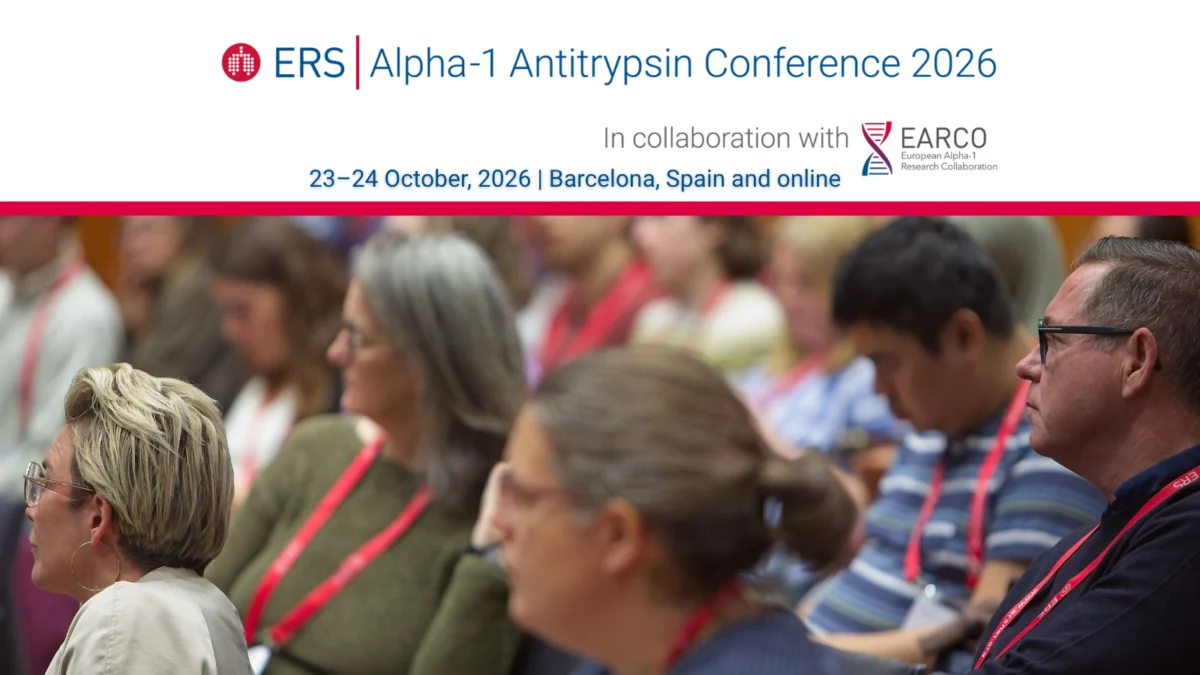
The landscape of rare disease management is undergoing a profound transformation. As the medical community converges for the highly anticipated Alpha-1 Antitrypsin (AATD) Conference 2026, clinicians, researchers, and patient advocates are preparing to address the critical gaps in the understanding and treatment of this genetic condition. With the global scientific community facing the dual challenges of diagnostic latency and the need for precision therapeutics, this year’s conference promises to be a pivotal moment in shaping the future of AATD care.
Main Facts: The Mission of the 2026 AATD Conference
Alpha-1 Antitrypsin Deficiency (AATD) is a hereditary condition that significantly increases the risk of lung and liver disease. Despite its prevalence, it remains notoriously underdiagnosed, often leading to delayed intervention and compromised patient outcomes. The 2026 ERS Alpha-1 Antitrypsin Conference is designed as a high-level forum to bridge the chasm between bench-side research and bedside practice.
The core objectives of this year’s convening are three-fold:
- Accelerating Diagnostic Precision: Refining the tools used to identify AATD earlier in the disease trajectory.
- Harmonizing Global Best Practices: Aligning international clinical protocols to ensure that a patient in one region receives the same gold-standard care as a patient in another.
- Fostering Collaborative Research: Leveraging the European Alpha-1 Research Collaboration (EARCO) to create a unified data front against the progression of the disease.
The event aims to facilitate a cross-disciplinary dialogue, ensuring that the perspectives of allied health professionals and patient representatives carry as much weight as those of lead investigators. By fostering this ecosystem of collaboration, the conference organizers hope to move beyond theoretical research and toward actionable, patient-centered management strategies.
Chronology: The Evolution of AATD Research
The journey toward the 2026 conference has been marked by a decade of steady, incremental progress in genetics and pulmonology. To understand the significance of the upcoming sessions, one must look at the recent timeline of the field:
- 2020–2022: The Data Foundation. This period saw the strengthening of the EARCO registry. Initial data collection focused on standardizing the collection of phenotypic and genotypic data across European centers.
- 2023–2024: The Rise of Biomarkers. Researchers began shifting focus from simple protein deficiency levels to complex biomarker profiles that could predict lung function decline before clinical symptoms manifest.
- 2025: The Integration Phase. Clinical trials began to shift toward "precision medicine," tailoring augmentation therapies based on individual protein-folding characteristics and specific clinical phenotypes.
- August 2026: The Current State. The field stands at the precipice of a new era. The 2026 conference is the culmination of these efforts, intended to synthesize the data gathered during the post-pandemic era into a coherent global strategy for the next five years.
Supporting Data: Why Current Research Matters
The clinical urgency surrounding AATD cannot be overstated. Current statistical models indicate that a significant percentage of patients with Chronic Obstructive Pulmonary Disease (COPD) may have undiagnosed AATD.
The EARCO Impact
The European Alpha-1 Research Collaboration (EARCO) has become the gold standard for clinical data aggregation. By establishing a centralized registry, EARCO has provided researchers with a longitudinal look at disease progression. Data presented at the conference will focus on the "EARCO-3" programme, which aims to expand the registry’s reach and integrate AI-driven analytics to identify patterns in patient deterioration that were previously invisible to human clinicians.
Diagnostic Hurdles
Current data suggests that the diagnostic delay—the time from the first onset of symptoms to an accurate genetic diagnosis—remains between five and seven years in many healthcare systems. The conference will showcase new methodologies in CT imaging that, when combined with emerging laboratory tests, promise to reduce this delay by at least 40% within the next three years.
Phenotypic Diversity
Not all AATD patients present with the same lung architecture. The correlation between AATD and bronchiectasis has been a focal point of recent studies. By analyzing the phenotypic variations, researchers are beginning to understand why some individuals with the deficiency maintain near-normal lung function for decades while others experience rapid decline.
Official Programme Picks: Key Areas of Focus
The 2026 programme is curated to maximize impact, featuring sessions that address the most pressing clinical dilemmas.

1. New Advances from EARCO
The session on EARCO updates is widely considered the "anchor" of the conference. It will detail the recent findings from the registry and outline the ambitious objectives of the EARCO-3 programme. Attendees can expect a deep dive into how collaborative research is standardizing care across borders and providing the evidence base needed for regulatory bodies to approve new, personalized therapeutic approaches.
2. Strategies for Diagnosis and Follow-up
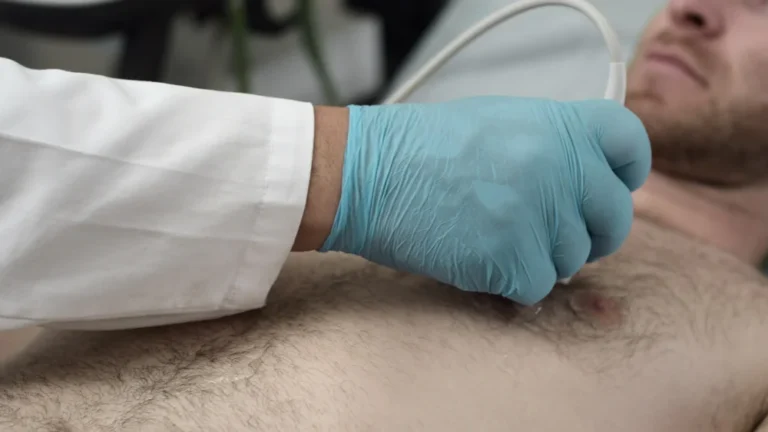
This session is intended for the frontline clinician. It tackles the practicalities of modern monitoring. The discussion will transition from traditional pulmonary function tests (PFTs) to high-resolution CT imaging protocols and the use of inflammatory biomarkers. The objective is to equip attendees with a "toolkit" for early intervention that can be implemented in diverse clinical settings, from urban hospitals to rural clinics.
3. Clinical Phenotypes in Alpha-1
Perhaps the most scientifically nuanced session, the examination of clinical phenotypes will challenge the traditional "one-size-fits-all" approach to AATD. By exploring the nexus of bronchiectasis and alpha-1 deficiency, this session aims to reshape how practitioners categorize their patients. Understanding that AATD is not just a singular lung disease, but a spectrum of conditions, is vital for long-term management success.
Implications for the Future: Shaping the Patient Journey
The implications of the 2026 conference extend far beyond the auditorium. For the patient, this gathering represents the potential for earlier detection, which translates directly into better quality of life and preserved lung capacity. For the healthcare system, the move toward standardized, data-driven protocols represents a more efficient use of resources and a reduction in the burden of late-stage care.
The Professional Growth Factor
For those attending, the conference is a unique venue for professional development. The opportunity to exchange expertise with peers from different healthcare systems is invaluable. As global medical standards shift, clinicians who participate in these discussions will be at the forefront of the field, better prepared to advocate for their patients and implement cutting-edge evidence-based medicine.
The Call to Action
The organizers have made it clear: the era of passive observation is over. The conference calls for an active, global, and highly coordinated effort to track the disease, treat the patient, and, ultimately, find a cure. By participating in these sessions, attendees are not just observers; they are active architects of the future of AATD management.
Conclusion
As we look toward the proceedings of the Alpha-1 Antitrypsin Conference 2026, it is evident that the medical community is more aligned than ever before. Through the rigorous examination of EARCO data, the refinement of diagnostic pathways, and the deep analysis of clinical phenotypes, the path forward is becoming increasingly clear.
The conference serves as a reminder that behind every data point, every registry entry, and every research paper, there is a patient waiting for a better prognosis. The collaborative spirit on display this year is the most promising tool in the arsenal against AATD. We encourage all interested professionals to register and engage with these critical conversations, as the collective knowledge shared in these sessions will undoubtedly define the standard of care for years to come.
Registration and Program Information:
- Register for the ERS Alpha-1 Antitrypsin Conference: Official Registration Portal
- View the Full Programme: Downloadable PDF
This article is intended for medical professionals and researchers interested in the latest advancements in Alpha-1 Antitrypsin Deficiency management. For more information, please visit the official ERS website.