
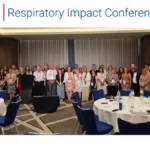






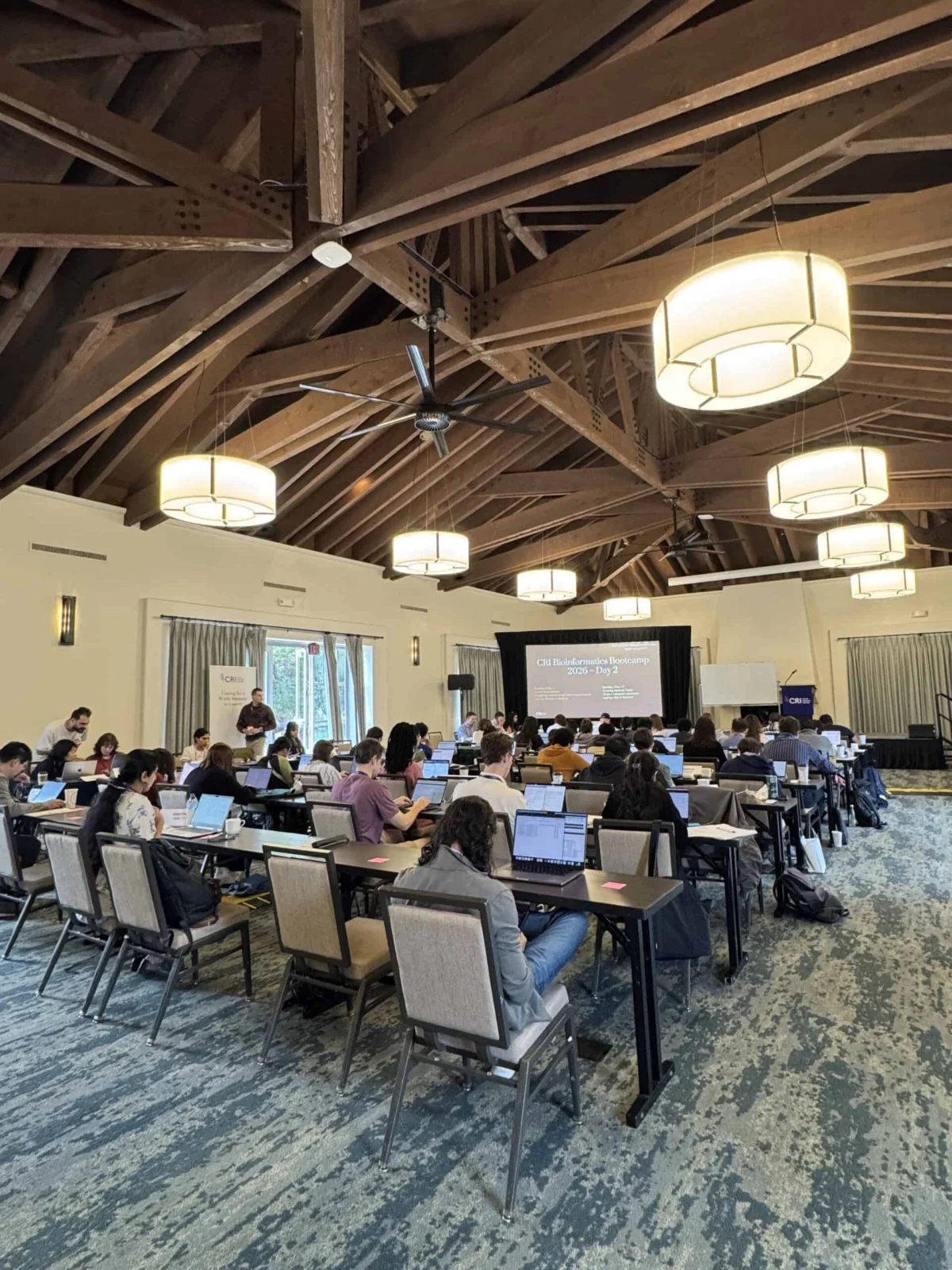
In an era where the boundary between biological discovery and computational prowess is increasingly blurred, the Cancer Research Institute (CRI) has cemented its role as a leader in scientific capacity building. From May 16 to May 22, 2026, the serene backdrop of the La Cantera Resort in San Antonio, Texas, served as the epicenter for a transformative educational experience: the third annual CRI Bioinformatics Bootcamp.
Bringing together more than 50 early-career fellows and students, the week-long intensive served as a vital incubator for the next generation of cancer researchers. As the field of immunotherapy pivots toward data-heavy, high-throughput methodologies, this program offers a necessary lifeline to scientists who are experts in the "wet lab" but find themselves navigating the increasingly complex, high-velocity world of "dry lab" computational analysis.
The Convergence of Biology and Big Data: A Strategic Imperative
The modern cancer laboratory is no longer defined solely by pipettes and petri dishes. Today, it is defined by terabytes of sequencing data, single-cell transcriptomics, and multimodal datasets that require sophisticated algorithms to decipher. This shift has created a "skills gap"—a critical juncture where traditional experimentalists must evolve into data-literate scientists to remain at the cutting edge of oncology.
The CRI Bioinformatics Bootcamp was designed specifically to bridge this chasm. By providing hands-on training in next-generation sequencing (NGS), single-cell technologies, and data visualization, the program empowers researchers to move beyond mere data generation toward the extraction of meaningful biological insights. The goal is simple but ambitious: to transform scientists into proficient computational analysts capable of steering the future of cancer treatment.
A Week of Immersive Discovery: Chronology of the 2026 Bootcamp
The week in San Antonio was meticulously structured to balance rigorous technical instruction with collaborative exploration.
Day 1-2: Foundations and Frameworks
The event kicked off with a focus on fundamental computational workflows. Participants were introduced to the infrastructure of modern bioinformatics, ensuring that every fellow, regardless of their prior coding experience, could navigate the standard pipelines used in immunology. The focus was on establishing a common language between researchers, setting the stage for more complex, domain-specific deep dives.
Day 3-4: Advanced Analytics and Single-Cell Technologies
Mid-week sessions shifted to the "bleeding edge" of research. Faculty led specialized workshops on single-cell technologies, a critical component in understanding the heterogeneity of tumors and the immune microenvironment. These sessions emphasized not just the tools, but the logic behind the analysis, teaching students how to approach datasets with a critical and discerning eye.
Day 5-6: Specialized Roundtables and Collaborative Integration
The latter half of the week introduced a new, highly praised format: topic-focused lunch-hour roundtables. These smaller, intimate groups of 18 allowed for granular discussions on career trajectories, grant writing in the bioinformatics space, and the nuances of coding reproducibility. Evening sessions expanded the curriculum further, touching upon the role of Artificial Intelligence (AI) in clinical research and advanced Python techniques, ensuring that the knowledge shared was as current as the technology itself.
Day 7: Synthesis and Networking
The final day was dedicated to the application of new skills to the attendees’ own research datasets. Under the watchful guidance of five expert faculty members—four of whom have been with the program since its inception—participants worked through their own experimental hurdles, turning theory into actionable results.
Expert Perspectives: The Faculty and TA Vision
The strength of the CRI Bootcamp lies in its pedagogy, which emphasizes that tools change, but the scientific thought process must remain rigorous. Dr. Katie Campbell, a faculty member who has helped shape the curriculum since year one, noted the evolution of the program.
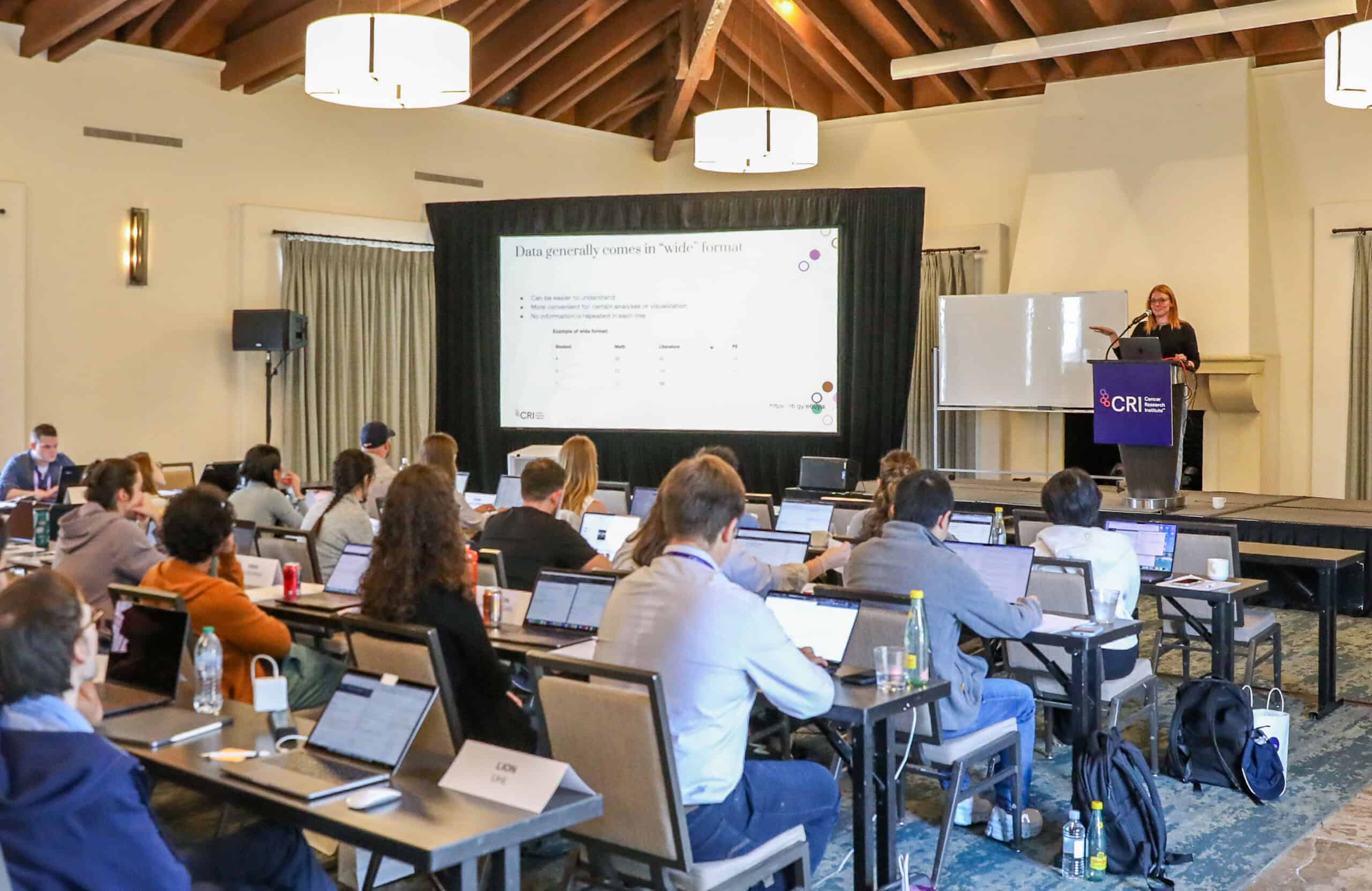
"When we started the bioinformatics bootcamp just three years ago, we really focused on the basics and the fundamentals of programming," Dr. Campbell explained. "With the rapid pace of technology, there’s a rapid pace of the tools available to analyze. We have to think about how we accelerate not just the discovery but the analysis, the everyday, without taking away the necessary thought processes that have to be intrinsic to the fellows."
This sentiment is echoed by the Teaching Assistants (TAs), who act as the frontline guides for the participants. Christie Chang, a TA at the event, highlighted the symbiotic relationship between wet and dry labs. "The Bootcamp is important because it’s really bridging the gap across two fields of the wet lab and the dry lab," Chang said. "As technologies are evolving, we’re generating large data sets, and we need computational tools to be able to understand more complex pictures… we want to keep extending lifespans. Technology advances so that we can live longer."
The TAs played a pivotal role in the bootcamp’s success, providing one-on-one mentorship that is often absent in larger, more traditional academic workshops. Dr. Maryam Pourmaleki, another TA, reinforced the urgency of this training: "In today’s time, a lot of science is moving towards big data. Scientists who have phenomenal training in wet lab now need to analyze bigger multimodal data they’re generating, and the Bootcamp is giving those scientists the necessary tools to work with big data."
Empowering the Next Generation: Implications for Oncology
The implications of this program extend far beyond a one-week training event. By fostering computational literacy, CRI is effectively accelerating the pace of immunotherapy research. When a researcher can analyze their own data without waiting for outside collaborators or third-party analysis, the cycle of discovery—from hypothesis to experimental verification—shortens significantly.
Furthermore, the Bootcamp serves as a networking nexus. The camaraderie built in San Antonio often leads to long-term research collaborations. Dr. Tara Muijlwijk, an attendee and CRI Dr. Keith Landesman Memorial Fellow, reflected on the broader value of the experience: "It’s super important to zoom out from your own research. The Bootcamp is really a great way to zoom out and to think about, okay, what am I doing, why am I doing this, and also to connect with other people, which is super important in research."
This sense of community is, perhaps, the most enduring legacy of the program. It builds a cohort of researchers who are not only technically proficient but also philosophically aligned on the necessity of data-informed, interdisciplinary inquiry.
The Human-AI Equilibrium
One of the most compelling insights from this year’s bootcamp came from Dr. Jia Yu (Jennifer) Ye, a CRI Immunoinformatics Postdoctoral Fellow. In an era where AI tools like Large Language Models (LLMs) are becoming ubiquitous, the value of deep, fundamental training is more critical than ever.
"It’s just such an amazing opportunity offered by CRI to really help learn all of the informatics skills more systematically, rather than just chatting with an AI engine," Dr. Ye noted. Her observation underscores the core philosophy of the CRI Bootcamp: while technology is an invaluable assistant, the scientist must remain the architect of the discovery. Systematic training ensures that researchers are not just prompting an AI for an answer, but understanding the underlying statistics and biological constraints that make a finding valid and reproducible.
Conclusion: Investing in the Future of Breakthroughs
The 2026 CRI Bioinformatics Bootcamp stands as a testament to the Institute’s commitment to education, innovation, and long-term investment in the cancer research community. By democratizing access to high-level computational tools, CRI is ensuring that the next generation of breakthroughs in immunotherapy will be driven by scientists who are as comfortable with code as they are with cells.
As the scientific landscape continues to evolve at a breakneck pace, the skills acquired in San Antonio will serve as the foundation for the next decade of discovery. The participants who left the La Cantera Resort on May 22 did not just return to their labs with new software packages or coding scripts; they returned with a renewed sense of purpose and the technical confidence to push the boundaries of what is possible in the fight against cancer. Through initiatives like this, the Cancer Research Institute is not merely observing the future of oncology—it is actively coding it.