In the landscape of modern American public health, few crises have proven as intractable or as lethal as the rise of synthetic opioids. Fentanyl, a potent analgesic originally developed for clinical pain management, has infiltrated the illicit drug market with devastating efficiency. Today, it stands as the primary engine of the U.S. overdose epidemic, claiming more lives annually than the combined toll of motor vehicle accidents and firearm-related fatalities.
The biological mechanism of a fentanyl overdose is terrifyingly swift: the drug floods the brain’s opioid receptors, effectively hijacking the signals that regulate autonomic breathing. Once these signals are suppressed, the body enters a state of respiratory failure, often within minutes. While the opioid antagonist naloxone (commonly known by the brand name Narcan) can reverse an overdose, it requires rapid administration, a window of opportunity that is often closed before emergency responders can arrive.
However, a groundbreaking study from Scripps Research suggests a paradigm shift in how we might confront this crisis. Rather than waiting to intervene after a dose has been administered, researchers have developed an experimental vaccine designed to intercept fentanyl in the bloodstream, preventing it from ever reaching the brain.
The Evolution of the Fentanyl Crisis: A Chronology of Escalation
To understand the necessity of this vaccine, one must first understand the "cat-and-mouse" game played between regulators and illicit manufacturers.
The crisis began in earnest in the early 2010s, as medical-grade fentanyl began to be diverted for illicit use. By 2015, the landscape shifted as "designer drugs"—analogs of fentanyl modified at the molecular level—began to appear on the streets. These variations, such as carfentanil and acetylfentanyl, were designed specifically to bypass federal drug scheduling and chemical detection systems.
For years, the scientific community followed a conventional path: creating vaccines that trained the immune system to recognize one specific chemical structure. But as the drug supply became increasingly volatile, these vaccines became obsolete almost as quickly as they were developed. If a manufacturer tweaked a single atom on a molecule, the previous vaccine would no longer recognize the threat.
Recognizing this, the team at Scripps Research, led by Kim Janda, the Ely R. Callaway, Jr. Professor of Chemistry, began to pivot away from traditional methodology. Their journey to this breakthrough involved years of foundational research into immunopharmacology, moving from targeted heroin vaccines to the ambitious, broad-spectrum fentanyl vaccine presented in their latest publication in the Journal of Medicinal Chemistry.
Challenging Conventional Wisdom: The Science of "Molecular Architecture"
The conventional approach to vaccination relies on "mimicry"—using the drug itself, or a molecule that acts as a structural twin, to teach the immune system what to look for. This approach has historically been hampered by two obstacles: the extreme legal restrictions surrounding the handling of controlled substances and the narrow specificity of the immune response.
"The way the fentanyl landscape is evolving, the black-market drug makers are constantly coming up with new versions to skirt regulations," explains Janda. "We need countermeasures that are going to work against all these future variants at once, not just one at a time."
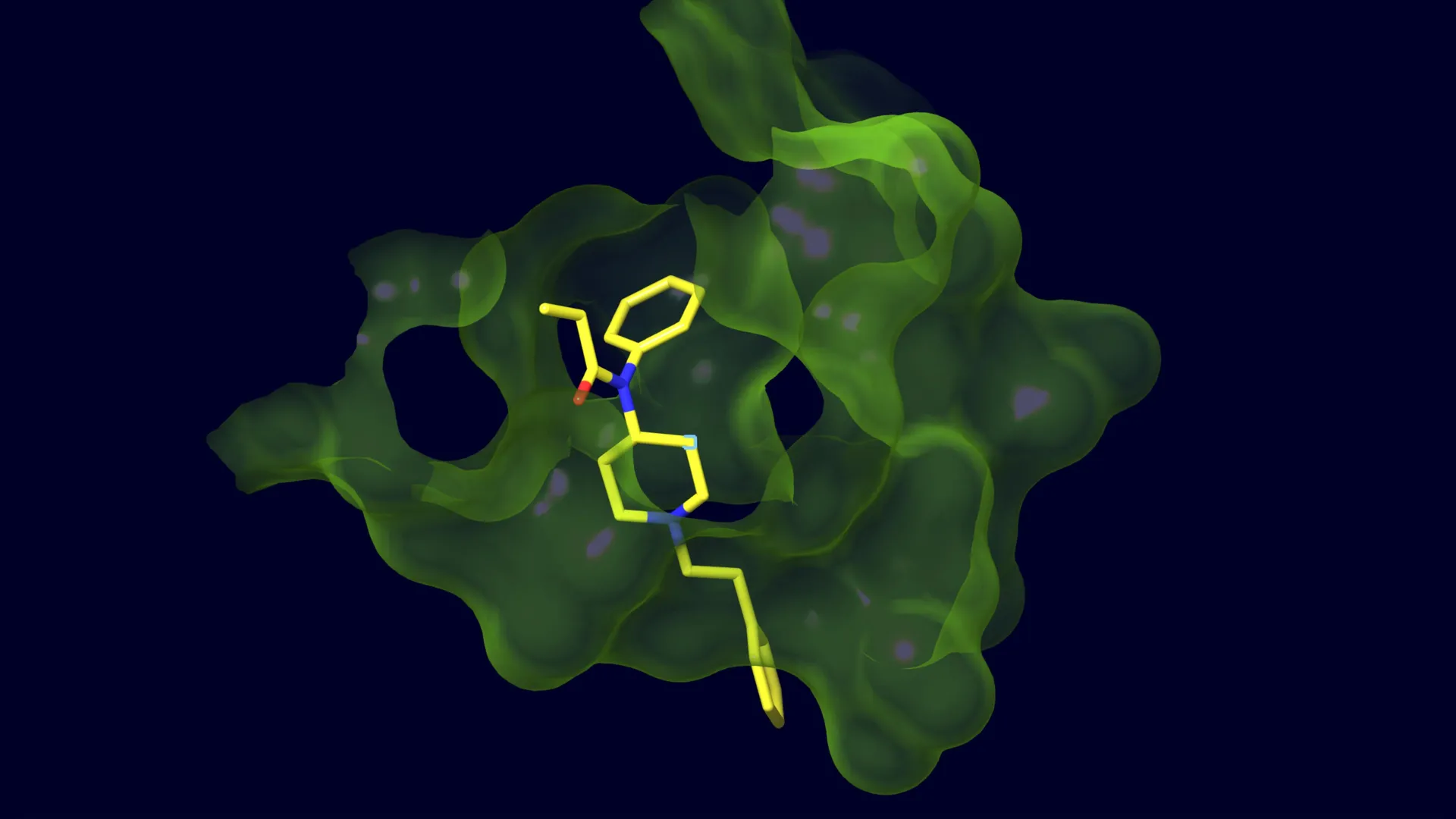
In a move that defied conventional wisdom, the research team—led by first author and research associate Arran Stewart—decided to utilize a molecule that did not look like fentanyl in its primary core structure. By utilizing a "radically reconfigured molecular architecture," the team hypothesized that they could prompt the immune system to recognize a broader "molecular signature" shared by the entire class of fentanyl derivatives, rather than just the specific arrangement of atoms in a single drug.
The results, according to Stewart, were initially met with skepticism by the team itself. "When we started testing this molecule as a vaccine component, we honestly didn’t know if it would work," Stewart remarked. "The conventional wisdom says that to get the immune system to recognize fentanyl, you have to use something that looks like fentanyl. We were doing the opposite."
Supporting Data: Proof of Concept in Animal Models
The efficacy of the vaccine was put to the test in a series of rigorous experiments involving mice. Over an eight-week period, the team administered four doses of the vaccine, which utilized a carrier protein to present the modified molecule to the immune system.
The findings were both startling and highly promising:
- Broad Recognition: The antibodies generated by the vaccine did not just target fentanyl. They demonstrated strong binding affinities for dangerous designer variants, including carfentanil, China White, acetylfentanyl, and furanylfentanyl.
- Safety Profile: Crucially, the antibodies did not react with common, life-saving clinical opioids such as morphine, oxycodone, or remifentanil. This distinction is vital, as it ensures that individuals who receive the vaccine would still be able to receive effective pain relief in a hospital setting should they require surgery or trauma care.
- Respiratory Protection: In tests where mice were exposed to lethal doses of fentanyl, those that had been vaccinated maintained near-normal breathing patterns.
- Brain Barrier Interception: The researchers found that the concentration of fentanyl in the brains of the vaccinated mice was approximately 70% lower than that of the control group, effectively proving that the vaccine acts as a "molecular sponge" in the bloodstream.
Official Responses and Expert Perspectives
The scientific community has reacted with cautious optimism. While the data is robust, experts note that the transition from rodent models to human clinical trials is a significant hurdle. Drug metabolism and immune responses in humans are vastly more complex than in mice, and the duration of the vaccine’s protection remains a primary question for future research.
However, the implications of the "class-based" recognition approach are being hailed as a significant advancement in medicinal chemistry. By demonstrating that an immune response can be programmed to identify a chemical category rather than a single entity, the Scripps team has provided a blueprint that could potentially be applied to other drug crises, including the rise of synthetic stimulants like xylazine.
"What this research shows us is that we don’t have to keep playing catch-up," Janda noted in his summary of the findings. The ability to stay ahead of illicit traffickers by targeting the fundamental, unchangeable traits of a drug class represents a massive strategic advantage for public health.
The Road Ahead: Implications for Public Health
While the vaccine is still years away from potential public availability, the vision for its application is clear. Janda and his team envision the vaccine as a critical tool for those in high-risk categories, such as individuals currently enrolled in substance abuse recovery programs. For these individuals, the threat of an accidental relapse or an inadvertent exposure to tainted substances is a constant, life-threatening reality.
If successful in clinical trials, this vaccine could serve as a protective layer, providing a "safety net" for the most vulnerable populations. Beyond the individual level, the project carries a profound philosophical lesson for medical science: the possibility of designing immunotherapies that are as adaptive and evolving as the threats they are meant to counter.
The research was made possible through the support of the Shadek Family Foundation, highlighting the critical role of private philanthropy in funding high-risk, high-reward medical innovation. As the opioid epidemic continues to evolve, the work of the Scripps team provides a rare, evidence-backed glimmer of hope—a reminder that through rigorous scientific inquiry, even the most daunting societal challenges can be met with innovative, life-saving solutions.
As the team prepares for the next phase of development, the medical community will be watching closely. If the promise of this "class-based" vaccine holds true, it may not only redefine the treatment of opioid addiction but also change the fundamental way we defend against the ever-shifting threats of the global illicit drug trade.