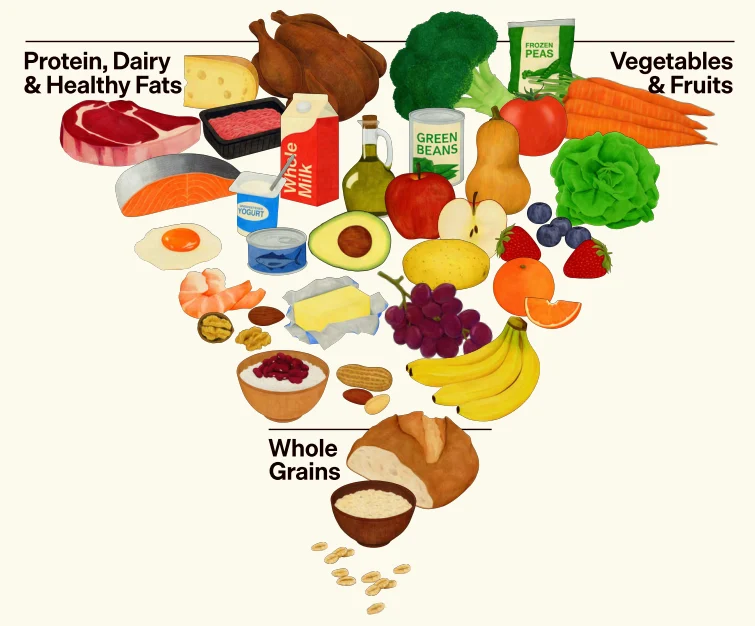











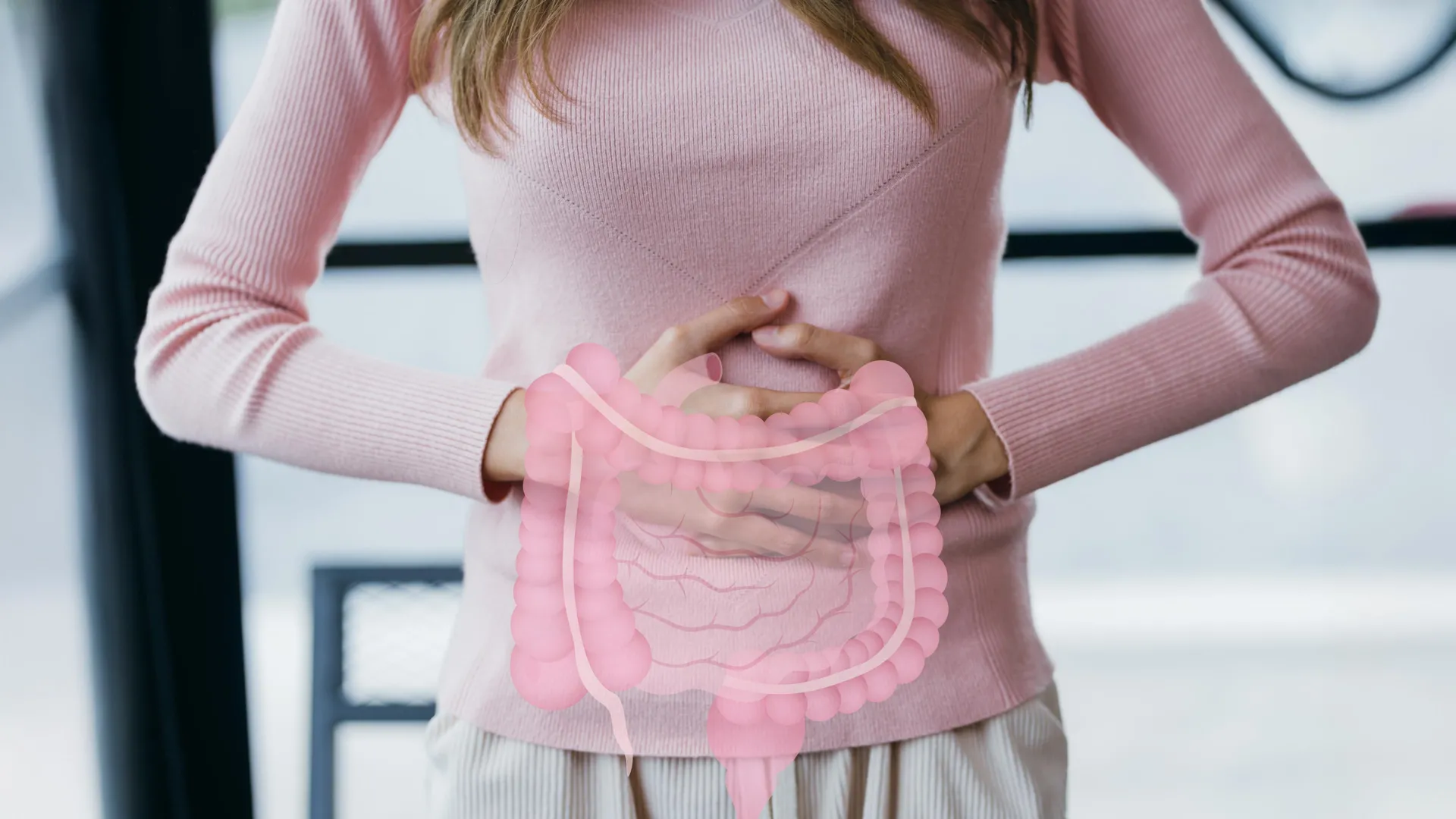
In a breakthrough that bridges the gap between traditional dietary wisdom and modern pharmacology, researchers at Toho University have uncovered a sophisticated biological mechanism by which a common compound found in rice bran influences the human digestive system. The study, which focuses on the polyphenol ferulic acid (FA), suggests that this humble plant-derived molecule may hold the key to managing chronic intestinal motility disorders, such as irritable bowel syndrome (IBS) and inflammatory bowel disease (IBD).
By identifying how FA interacts with the smooth muscle cells of the intestines, the team has opened a new frontier in gastrointestinal research, offering hope that dietary interventions could one day replace or supplement harsher pharmaceutical treatments for those suffering from digestive dysfunction.
The Science of Movement: Understanding Gut Motility
Gastrointestinal motility—the rhythmic, coordinated contraction and relaxation of the muscles lining the digestive tract—is essential for human survival. When this process functions correctly, food and waste are propelled through the system with precision. However, for millions of people worldwide, this "peristaltic dance" is disrupted.
In conditions like IBS and IBD, motility can become chaotic. Patients may experience hyper-motility, leading to cramping and diarrhea, or hypo-motility, which manifests as severe constipation and obstruction. Current medical interventions often rely on antispasmodics or motility-modifying drugs, which frequently carry systemic side effects. The discovery by Dr. Keisuke Obara, Dr. Kento Yoshioka, and Professor Yoshio Tanaka offers a potentially more natural, localized approach to regulating these muscle contractions.
Chronology of the Discovery
The path to this discovery was characterized by a meticulous, multi-stage experimental process conducted at Toho University’s Faculty of Pharmaceutical Sciences.
Phase I: Initial Observations and Hypothesis
The research team began with the premise that polyphenols—compounds already celebrated for their antioxidant and neuroprotective properties—might possess secondary, unexplored physiological effects. While the systemic benefits of ferulic acid (abundantly found in the outer layers of grains like rice, oats, and wheat) have been well-documented in cardiovascular and cognitive health, its direct interaction with gastrointestinal smooth muscle remained a "black box."
Phase II: The Guinea Pig Model
To test their hypothesis, the team utilized guinea pig ileal longitudinal smooth muscle (ILSM). By exposing these muscle tissues to various signaling molecules known to trigger contractions—such as acetylcholine, histamine, prostaglandin F2α, and serotonin—the researchers were able to simulate the hyper-active state often seen in patients with diarrhea-predominant IBS.
Phase III: The Mechanism of Action
The results were striking: the introduction of ferulic acid consistently and significantly inhibited the contractions induced by these signaling molecules. Critically, the team observed that this effect was reversible and concentration-dependent. When the FA was washed away, the muscle tissue resumed its normal contractile rhythm. Furthermore, because the inhibition occurred even when different types of signaling molecules were used, the researchers concluded that FA acts in a "noncompetitive" manner, suggesting it interferes with a universal pathway shared by all these signals rather than blocking specific receptors.
Phase IV: Pinpointing the Calcium Channel
The final stage of the laboratory investigation involved vascular smooth muscle cell models. The researchers discovered that FA effectively suppressed the influx of intracellular calcium—the fundamental "spark" that causes muscle fibers to tighten. By blocking voltage-dependent calcium channels, FA essentially acts as a molecular "brake" on the gut’s muscle activity.
Supporting Data: Decoding the Calcium Connection
The significance of the Toho University study lies in its focus on calcium signaling. In smooth muscle cells, contraction is a process mediated by the movement of calcium ions across the cell membrane. When a signal is received, voltage-dependent calcium channels open, allowing an influx of calcium that triggers the cross-bridging of actin and myosin filaments, leading to muscle contraction.
The data generated by the study suggests that ferulic acid inhibits these channels directly. By reducing the available pool of intracellular calcium, the muscle fibers remain in a more relaxed state.
Key Experimental Findings:
- Broad-Spectrum Inhibition: The compound successfully quieted muscle responses to multiple, distinct contractile triggers, proving its efficacy is not limited to a single signaling pathway.
- Concentration-Dependency: Higher doses of FA produced more profound relaxation, providing a predictable pharmacological response curve.
- Reversibility: The lack of permanent tissue damage indicates a potential safety profile that could be highly advantageous for long-term dietary integration.
Official Responses and Perspectives
The academic community has received the findings with cautious optimism. While the study provides a robust mechanism for how FA functions in vitro, the researchers are careful to contextualize the findings.
"Our research demonstrates that ferulic acid is a potent modulator of smooth muscle," noted Dr. Keisuke Obara during a post-study briefing. "However, the leap from a laboratory setting to clinical application is significant. We are looking at a compound that is naturally abundant in our diet, which makes it an attractive candidate for therapeutic use, but we must first determine the exact pharmacokinetics of how it interacts with the human gut environment."
Independent experts in gastroenterology have highlighted the study as a "critical first step." Dr. Elena Rossi, a gastrointestinal physiologist not involved in the study, noted: "The beauty of this research is that it explains why some traditional diets rich in whole grains have long been associated with better digestive comfort. It provides a molecular explanation for a clinical observation that has persisted for decades."
Implications for Future Medicine
The implications of this study are far-reaching, particularly for the pharmaceutical and nutraceutical industries.
Targeting Diarrhea-Predominant Disorders
For patients suffering from diarrhea-predominant IBS, where the gut is in a state of chronic, painful hyper-motility, a supplement or dietary intervention based on concentrated ferulic acid could provide a natural way to reduce the frequency and intensity of bowel movements. Unlike synthetic drugs that might affect the heart or central nervous system, a compound that primarily targets the local environment of the gut could minimize systemic side effects.
A Double-Edged Sword
The researchers were quick to warn of the potential risks. Because FA slows intestinal movement, it could prove harmful to individuals already suffering from chronic constipation. If an individual with a slow-transit bowel condition were to consume high concentrations of FA, it could theoretically exacerbate their symptoms, leading to severe impaction or discomfort. This highlights the need for precision medicine: the future of gut health may rely on identifying the specific motility profile of a patient before recommending dietary interventions.
The Challenge of Bioavailability
A major hurdle remains the "threshold of effect." The concentrations of ferulic acid used in the lab were higher than what is typically achieved through a standard bowl of rice or a slice of whole-grain bread. However, the researchers point out that when we consume food, the concentration of the compound inside the lumen of the intestine is significantly higher than in the bloodstream. This means that a direct, topical effect on the gut lining is biologically plausible, even if the systemic absorption is low.
Moving Toward Clinical Trials
The next chapter for the Toho University team involves human clinical trials. To move from the laboratory to the clinic, several milestones must be reached:
- Determining Human Dosing: Establishing what levels of FA are safe and effective for human consumption.
- Formulation Strategy: Determining whether dietary intake is sufficient or if concentrated supplements are required to reach the necessary threshold in the gut.
- Patient Stratification: Identifying which specific sub-groups of IBS and IBD patients are the best candidates for this therapy.
- Long-term Safety Studies: Monitoring for any potential interactions with the gut microbiome or long-term effects on intestinal health.
Conclusion: A New Chapter for Rice Bran
The study from Toho University represents a shift in how we view food-derived compounds. Rather than just viewing whole grains as "fiber sources" that provide bulk, we are beginning to see them as complex reservoirs of bioactive compounds capable of modulating human physiology at the cellular level.
If clinical trials confirm these laboratory findings, ferulic acid could transition from a humble grain component to a key therapeutic tool in the gastroenterologist’s arsenal. For the millions living with the unpredictable and debilitating symptoms of IBS and IBD, the solution to their digestive woes may have been hiding in the bran of their daily rice all along. As science continues to unravel the intricate language of the gut, we are reminded that sometimes, the most effective medicine is the one that has been part of our diet for millennia.