











Main Facts: A Strategic Pivot Amidst Market Skepticism
In a decisive move that underscores the precarious nature of biotech financing, Florida-based Summit Therapeutics has abruptly withdrawn its planned secondary share offering. The decision, intended to capitalize on momentum from recent clinical trials, was stymied by a tepid market response following the detailed presentation of late-stage data at the American Society of Clinical Oncology (ASCO) annual meeting.
While secondary share sales are a "time-tested" mechanism for biotech firms to extend their operational runways by leveraging stock price appreciation, the strategy backfired for Summit. Despite the company holding a robust liquidity position—reporting nearly $600 million in cash, equivalents, and short-term investments as of March 31—the market’s reaction to clinical trial nuances forced a strategic retreat. The withdrawal highlights the growing disconnect between investor expectations and clinical reality, particularly for firms navigating the high-stakes landscape of oncology drug development.
Chronology: The Timeline of a Shifting Narrative
Early 2024: The Prelude to Anticipation
Summit Therapeutics entered 2024 with significant investor optimism surrounding ivonescimab, its flagship bispecific antibody. As the company prepared for major data readouts, the market priced in high expectations for the drug’s potential to disrupt the lung cancer treatment landscape.
Pre-ASCO: The Warning Signs
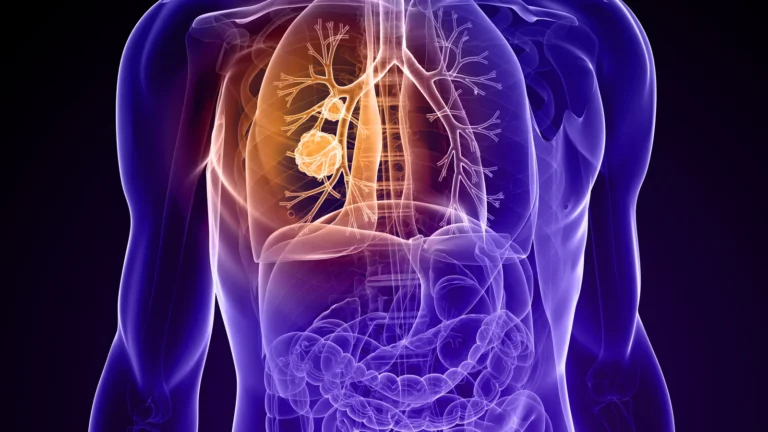
In the weeks leading up to the ASCO meeting, the narrative began to fracture. An early data check regarding a global Phase 3 study—which tests the combination of ivonescimab with Merck’s Keytruda as a frontline treatment for lung cancer—failed to provide the definitive efficacy "signal" that investors had hoped for. Specifically, the data did not clearly demonstrate that the ivonescimab-Keytruda combination offered a superior benefit over Keytruda monotherapy. This lack of clear differentiation energized a heated debate among analysts regarding the drug’s clinical utility and commercial viability.
The ASCO Meeting: Data Disclosure and Market Reaction
The situation deteriorated further at the ASCO meeting, where full data from the late-stage China trial were presented. While the data were positive in isolation, the granular details did not provide the market-moving validation that the company’s stock price had previously factored in. As the specifics of the trial outcomes were digested by the investment community, Summit’s share price slumped, effectively closing the window for a lucrative secondary offering.
Present Day: The Strategic Retreat
Faced with the reality of a deflated stock price, Summit’s leadership opted to pull the secondary offering. The move is a recognition that attempting to raise capital under current sentiment would be dilutive and counterproductive to shareholder value, signaling a pause in the company’s aggressive pursuit of external liquidity.
Supporting Data: Financial Runway vs. R&D Burn
To understand the gravity of Summit’s situation, one must look at the intersection of their balance sheet and their aggressive R&D burn rate.
The Liquidity Cushion
As of the most recent quarterly filing (March 31), Summit Therapeutics maintains a healthy cash position of approximately $600 million. In many sectors, this would be considered a comfortable buffer. However, in the capital-intensive world of late-stage drug development, this figure is relative.
The "Burn" Reality
Summit’s operational expenditures—driven by massive investments in clinical trials, regulatory compliance, and personnel—are scaling rapidly. Current projections suggest the company is burning through hundreds of millions of dollars annually. Analysts at Leerink Partners have forecasted that, should the company maintain its current trajectory, its cash reserves could be exhausted by 2027. This timeline is particularly critical, as 2027 is the anticipated window for regulatory review and the initiation of early commercialization efforts for its lead assets.
The withdrawal of the secondary offering creates a "funding gap" concern. Without the anticipated capital injection, Summit will be forced to rely on existing reserves or find alternative, potentially more expensive, financing methods to bridge the gap between late-stage research and market entry.
Official Responses and Investor Sentiment
While Summit Therapeutics has maintained a professional stance regarding the offering’s withdrawal, the move reflects a broader industry challenge: the "clinical data vs. stock market valuation" gap.
Investors have become increasingly discerning. In the post-pandemic biotech boom, clinical data was often viewed through an optimistic lens. Now, as interest rates remain elevated and the cost of capital has risen, the threshold for "success" has shifted. Data that would have triggered a 20% stock rally in 2021 is now being scrutinized for subtle weaknesses, such as the lack of superiority over established standards of care like Keytruda.
The sentiment among analysts is mixed. Some maintain that the underlying science remains sound and that the market reaction is an overcorrection. Others argue that the withdrawal of the offering is a necessary "cooling off" period that allows the company to focus on executing its clinical strategy without the pressure of managing a volatile public equity raise.
Implications: A Broader Trend in the Biotech Ecosystem
The IPO Market vs. Secondary Offerings
Interestingly, the challenges faced by Summit do not necessarily reflect the state of the broader biotech IPO market. While Summit struggled to raise follow-on capital, the market for new entrants is showing signs of recovery.
Data indicates that 2026 has been a year of resurgence for initial public offerings. A dozen formerly private drug startups have successfully transitioned to the public markets this year, raising a cumulative total of more than $4 billion. This includes a record-sized IPO finalized just this past Wednesday. This disparity suggests that investors are currently more interested in "new stories"—early-stage companies with fresh intellectual property—than in companies like Summit, which are currently battling the "prove it" phase of late-stage clinical trials.
The Strategic Dilemma
The implications for Summit are clear: the company must now rely on clinical performance to restore investor confidence. Without the secondary offering as a safety net, the pressure on upcoming data readouts from the global Phase 3 study has intensified. Every subsequent clinical update will now be viewed by the market not just as a medical milestone, but as a crucial factor in the company’s ability to remain solvent.
The Competitive Landscape
Furthermore, the oncology space is hyper-competitive. By failing to show a clear, statistically significant superiority over Keytruda in the early check, Summit has left the door open for competitors to claim the narrative. If the final global data does not definitively show that ivonescimab offers a superior clinical profile, the company may find it increasingly difficult to compete for market share in the crowded lung cancer treatment space.
Conclusion
Summit Therapeutics’ decision to pull its secondary offering serves as a cautionary tale for the biotech sector. It highlights that even with a strong cash position, the perception of clinical efficacy is the ultimate currency. As the company looks toward its 2027 goals, the path forward requires a delicate balance: maintaining the scientific rigor necessary to satisfy regulators while simultaneously navigating the skeptical, high-stakes demands of the public markets. For Summit, the next eighteen months will be less about fundraising and more about the clinical demonstration of value—a test they must pass to ensure their long-term survival in an unforgiving industry.