August 12, 2026
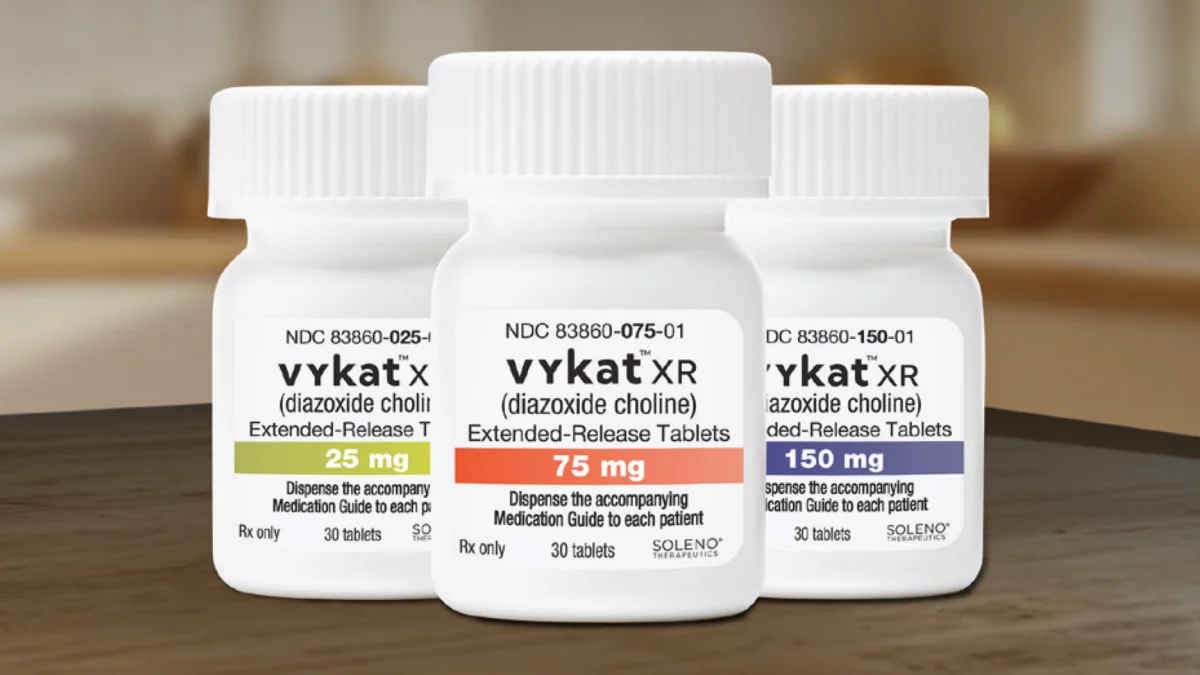
In a significant development for the endocrine community, leading advocacy organizations for Prader-Willi syndrome (PWS) have issued a formal, urgent advisory regarding the safety profile of extended-release diazoxide choline (marketed as Vykat XR). Following reports of seven deaths and over 100 serious adverse events submitted to the FDA’s Adverse Event Monitoring System, experts are calling for more stringent clinical oversight and a cautious, individualized approach to prescribing the medication.
Vykat XR, which received landmark FDA approval in March 2025, was heralded as the first-ever pharmacological treatment for hyperphagia—the relentless, insatiable hunger that is the hallmark of PWS and a primary driver of life-threatening obesity in affected patients. However, as the drug reaches a wider patient population, the reality of its real-world use has prompted a critical re-evaluation of safety protocols.
The Clinical Context: A New Treatment for a Complex Condition
Prader-Willi syndrome is a rare, multisystem genetic disorder. Beyond the hyperphagia that often leads to severe obesity, patients frequently struggle with developmental delays, behavioral challenges, and metabolic abnormalities. Because of the inherent complexity of the syndrome, patients often present with multiple comorbidities, making the management of new medications a delicate balancing act.
When Vykat XR entered the market, it was positioned as a breakthrough therapy. By targeting the underlying mechanisms of hunger, it offered a potential reprieve for families burdened by the constant, life-altering necessity of food restriction. However, the drug’s mechanism—and the unique physiology of PWS patients—has now come under intense scrutiny following the emergence of troubling post-marketing safety data.
Chronology of Events and Escalating Concerns
The path from approval to the current safety alert has been rapid, reflecting the accelerated adoption of the drug by clinicians eager to provide relief for hyperphagia.
- March 2025: The FDA grants approval for extended-release diazoxide choline (Vykat XR) for patients 4 years and older suffering from hyperphagia associated with PWS.
- Late 2025 – Early 2026: As the drug enters the broader market, clinicians begin reporting cases of fluid retention and cardiac distress to the manufacturer and regulatory bodies.
- Mid-2026: Analysis of the FDA’s Adverse Event Monitoring System reveals a concerning cluster of reports, including seven fatalities and over 100 incidents of serious health complications.
- August 11, 2026: A coalition consisting of the Foundation for Prader-Willi Research (FPWR), the International Prader-Willi Syndrome Organization (IPWSO), and Prader-Willi Syndrome USA releases a joint statement urging immediate changes to prescribing and monitoring practices.
The collaborative statement emphasizes that while the medication offers potential benefits, the current "standard" approach to administration may be insufficient for a population characterized by high medical fragility.
Analyzing the Adverse Events: A Pattern of Complications
According to the data cited by the advocacy groups, the most frequently reported adverse events include peripheral and pulmonary edema, respiratory distress, and cardiac arrhythmias.
Clinical experts point out that these symptoms are particularly dangerous in PWS patients. Many individuals with the syndrome have underlying physiological vulnerabilities, including compromised respiratory function due to obesity and pre-existing cardiovascular strain. When these factors intersect with a drug that can cause fluid overload, the results can be catastrophic.
The statement from the advocacy groups highlights that the most severe or fatal cases typically involved patients with "complex health conditions, multiple prescriptions, and pre-existing obesity." This suggests that the drug may have a narrow therapeutic window in patients whose baseline health is already significantly compromised.
Official Responses and Manufacturer Stance
Neurocrine Biosciences, the manufacturer of Vykat XR, maintains that the drug remains an important therapeutic tool. In a statement provided to MedPage Today, the company underscored the rigorous testing the drug underwent prior to its 2025 approval.
"Diazoxide choline has a compelling risk-benefit profile in the context of a very serious disease," the company stated. "Neurocrine conducted extensive diligence on the safety profile, including adverse event data."
The company noted that edema was a known side effect observed during clinical trials, occurring in at least 10% of participants—a rate at least 2% higher than those receiving a placebo. The official prescribing information already includes warnings regarding fluid overload.
Regarding the current safety reports, Neurocrine emphasized its commitment to patient safety: "We are closely engaged with the FDA, patient advocacy communities, and prescribers to continue to assess all available data from postmarketing surveillance as the prescribing population expands."
Expert Recommendations: Changing the Standard of Care
The coalition of PWS experts is not calling for a withdrawal of the drug, but rather a fundamental shift in how it is utilized. They are urging clinicians to move away from "one-size-fits-all" dosing and toward a highly personalized, risk-averse approach.
Enhanced Baseline Assessments
Before initiating treatment, clinicians are advised to perform comprehensive evaluations. This includes echocardiograms to assess cardiac function and thorough assessments for existing fluid retention.
Slowed Titration and Monitoring
The groups recommend a significantly slower dose titration process than what might be standard for other conditions. By starting at lower doses and increasing them with extreme caution, providers may be able to identify potential adverse reactions before they reach a critical stage.
Vigilance for Warning Signs
The advocacy groups have provided a "red flag" list for clinicians, urging them to monitor for:
- Worsening Edema: Visible swelling that may indicate fluid retention.
- Orthopnea and Dyspnea: Difficulty breathing while lying down or during normal exertion, both of which can be early indicators of cardiac or pulmonary stress.
- Unexpected Weight Gain: A sudden, rapid increase in weight that is not attributable to diet or activity, likely indicating fluid retention.
Implications for the PWS Community
The current situation highlights a broader challenge in medicine: the "real-world" gap. Drugs that perform safely in the controlled environment of a clinical trial often behave differently when administered to a broader, more heterogeneous population.
In the case of PWS, this gap is exacerbated by the unique nature of the syndrome. Because individuals with PWS often possess a different pain threshold and may not communicate discomfort in conventional ways, the burden of monitoring falls heavily on caregivers and physicians.
The advocacy groups stressed that "if the prescriber is not highly experienced in caring for individuals with Prader-Willi syndrome, they may wish to consult with a more experienced provider prior to starting therapy." This serves as a vital reminder that for rare, complex genetic disorders, specialized knowledge is not merely helpful—it is often a prerequisite for safety.
The Path Forward: Causality vs. Correlation
While the number of deaths and serious adverse events is alarming, both the manufacturer and medical experts caution against assuming direct causality. The reporting system, while essential for early warnings, does not account for the confounding factors present in the patients’ lives—such as other medications, underlying disease progression, or the natural risks associated with the high mortality rates already seen in PWS.
However, the advocacy coalition remains firm: the data is sufficient to warrant a change in behavior. By raising awareness, the groups hope to provide clinicians with the information necessary to prevent future tragedies.
As the FDA continues to review post-marketing surveillance data, the focus will remain on the delicate balance between the desperate need for hyperphagia management and the paramount importance of patient safety. For families living with the daily struggles of PWS, the coming months will be a period of heightened caution, as the medical community recalibrates its approach to this powerful, yet potentially volatile, treatment.
Ultimately, this episode serves as a case study in the necessity of ongoing vigilance in the post-market phase, ensuring that the promise of new innovation does not come at an unacceptable cost to the patients it is designed to help.