











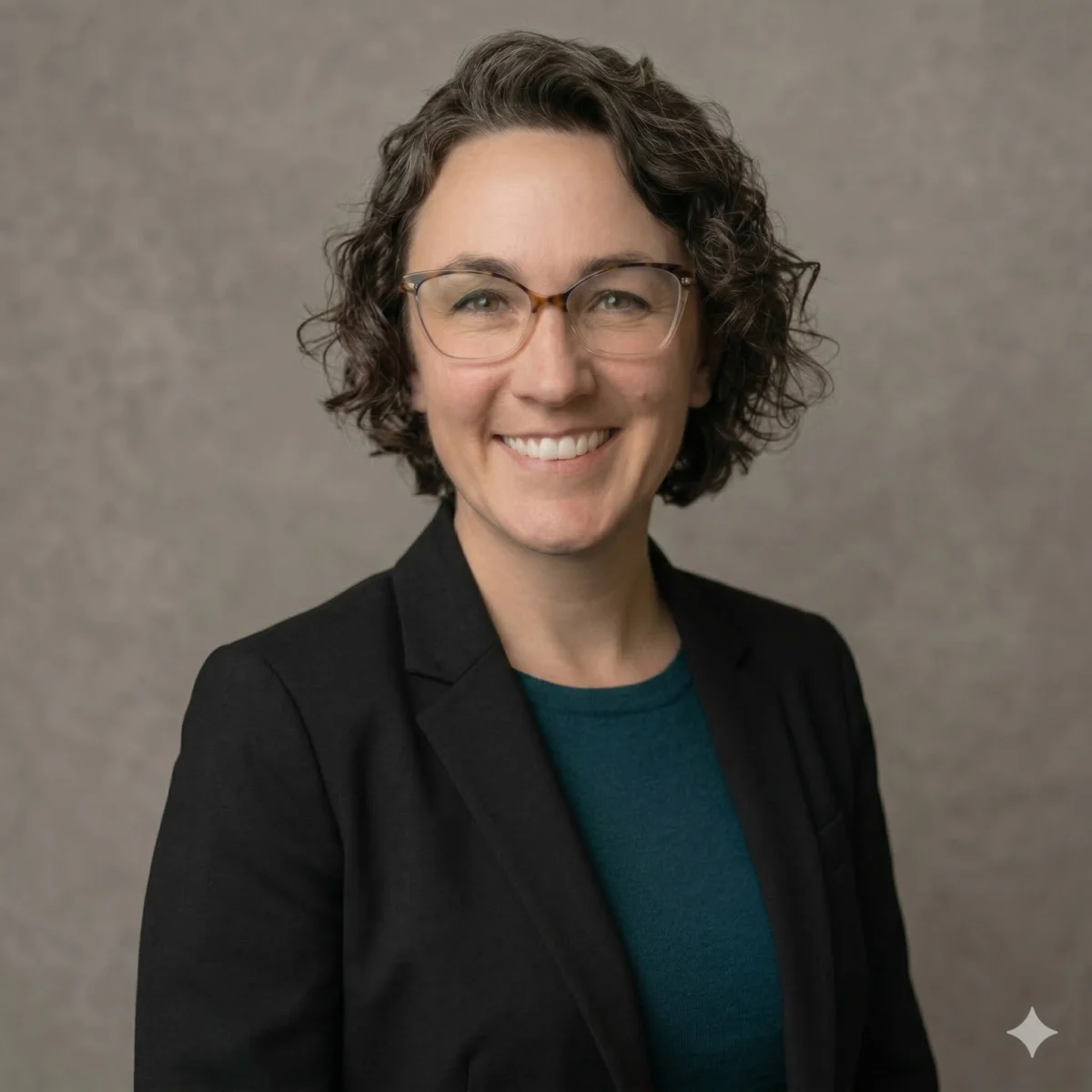
Dallas, TX – [Insert Date Here] – Advanced Arm Dynamics (AAD), the nation’s premier provider of upper limb prosthetic rehabilitation, has announced the appointment of Lauren Trent, MOT, as its new Senior Clinical Research & Therapy Programs Lead. This strategic appointment underscores AAD’s commitment to accelerating advancements in a historically underserved area of rehabilitation science: upper limb prosthetics. Trent’s role will be pivotal in expanding critical research partnerships, fostering innovation, and ultimately, enhancing the functional independence and quality of life for individuals living with upper limb loss.
Trent brings a wealth of experience and a profound understanding of patient needs to this crucial position. Her nine-year tenure as an Arm Dynamics clinical therapy specialist, coupled with three years dedicated to coordinating clinical trials in collaboration with patients and leading prosthetic industry manufacturers, positions her uniquely to drive AAD’s research agenda forward. Her academic credentials include a master’s degree in occupational therapy, and she is currently a PhD candidate in therapeutic science at the University of Kansas Medical Center, further solidifying her expertise in evidence-based practice and scientific inquiry. This new leadership role is expected to significantly bolster AAD’s capacity to translate cutting-edge research into tangible, life-changing therapies and devices for upper limb amputees.
Main Facts: A New Era for Upper Limb Rehabilitation Research
Advanced Arm Dynamics, a recognized leader in specialized prosthetic care, has formally named Lauren Trent, MOT, to the vital position of Senior Clinical Research & Therapy Programs Lead. This appointment signals a significant escalation in the organization’s efforts to advance the science and practice of upper limb prosthetic rehabilitation. The core objective of Trent’s role is multifaceted: to forge and strengthen research collaborations with academic institutions, governmental agencies, and industry partners, thereby accelerating the development and clinical integration of innovative prosthetic technologies and therapeutic protocols.
The decision to elevate Trent to this leadership role is a testament to her proven track record within AAD. Over nearly a decade, she has directly engaged with patients, understanding their challenges and aspirations, while simultaneously navigating the complexities of clinical research. Her prior experience coordinating clinical trials involved a delicate balance of patient advocacy, data collection, and collaboration with manufacturers to evaluate emerging prosthetic components and systems. This hands-on background is invaluable for a role that requires both deep clinical insight and strategic foresight in research management.
Lauren Trent’s academic pursuits further reinforce her qualifications. Her Master of Occupational Therapy (MOT) provides a foundational understanding of functional rehabilitation and patient-centered care, critical for developing practical and effective prosthetic solutions. Her ongoing doctoral studies in therapeutic science at the University of Kansas Medical Center highlight a dedication to scientific rigor and an ability to contribute meaningfully to the broader body of rehabilitation research. Through this new appointment, AAD aims to solidify its position not just as a provider of exceptional care, but also as a central hub for innovation and scientific discovery in upper limb prosthetics, with Trent at the helm of these ambitious initiatives.
Chronology: From Clinical Practice to Research Leadership
Lauren Trent’s journey to Senior Clinical Research & Therapy Programs Lead at Advanced Arm Dynamics is a testament to a career dedicated to improving the lives of individuals with upper limb loss, marked by a progressive deepening of expertise and responsibility. Her initial entry into the field began with a foundational education, culminating in a Master of Occupational Therapy degree. This academic background equipped her with a comprehensive understanding of human function, the impact of disability, and the principles of therapeutic intervention, laying the groundwork for her clinical career.
Trent then joined Advanced Arm Dynamics, immersing herself in the specialized world of upper limb prosthetic rehabilitation. For over nine years, she served as an Arm Dynamics clinical therapy specialist. In this capacity, she worked directly with patients, guiding them through the intricate process of prosthetic fitting, training, and adaptation. Her daily interactions provided invaluable insights into the practical challenges and triumphs faced by upper limb amputees, from mastering fine motor skills with advanced prosthetic hands to integrating these devices seamlessly into their daily lives. This direct patient contact instilled in her a profound empathy and a clear understanding of what truly makes a difference in functional outcomes.
Approximately three years prior to her current appointment, Trent began to transition into a more research-focused capacity within AAD, taking on the coordination of clinical trials. This phase of her career was crucial, as it allowed her to bridge the gap between theoretical research and practical application. She became adept at managing complex studies, ensuring ethical patient involvement, meticulously collecting data, and collaborating closely with prosthetic industry manufacturers. This experience provided her with a unique perspective on the entire lifecycle of prosthetic innovation, from initial concept and design to clinical testing and patient feedback. Her proven ability to navigate both clinical care and research coordination made her the ideal candidate for the newly created Senior Clinical Research & Therapy Programs Lead role, where she can leverage her comprehensive experience to drive AAD’s research mission forward. Her ongoing PhD candidacy in therapeutic science at the University of Kansas Medical Center further enhances her qualifications, demonstrating a commitment to advanced scientific inquiry and a desire to contribute at the highest levels to the evolution of rehabilitation science.
Advanced Arm Dynamics itself has a significant chronology that underpins Trent’s appointment. Founded in 1998 by John M. Miguelez, CP, FAAOP(D), a renowned upper limb prosthetic specialist and researcher, the company was established with a singular vision: to provide specialized, holistic care exclusively for individuals with upper limb loss. This focused approach immediately set AAD apart in a field where most prosthetic providers offered a broader range of services. Over its 28-year history, AAD has cultivated a deep well of clinical experience, treating thousands of patients and refining rehabilitation protocols. This extensive clinical foundation naturally led to an involvement in research, recognizing that continuous innovation was essential to improve patient outcomes. The appointment of Lauren Trent is a strategic evolution, solidifying AAD’s commitment to not only utilize existing advancements but also actively contribute to shaping the future of upper limb prosthetics.
Supporting Data: The Overlooked Frontier of Upper Limb Prosthetics
The appointment of Lauren Trent comes at a critical juncture for the field of upper limb prosthetics, an area that has historically lagged behind its lower limb counterpart in terms of research and development. As Trent herself points out, "Upper limb amputees are such a small patient population—about 20% of all amputees—that they get overlooked. The much larger lower-limb amputee population attracts many more research opportunities." This stark disparity in attention has created a significant gap in available technologies and rehabilitation strategies, leaving many upper limb amputees with fewer advanced options and a slower pace of innovation.
The reasons for this disparity are multifaceted. Beyond the sheer numerical difference in patient populations, the functional demands of an upper limb prosthesis are fundamentally different and often more complex than those of a lower limb prosthesis. A lower limb prosthesis primarily focuses on mobility, balance, and weight-bearing. While these are challenging engineering feats, an upper limb prosthesis must contend with an entirely different set of requirements: dexterity, fine motor control, sensory feedback, manipulation of objects, and integration into activities of daily living that demand a high degree of precision and cognitive input. The human hand, for instance, is an incredibly complex instrument, capable of power grasps, precision grips, and delicate manipulation, all coordinated by intricate neural pathways. Replicating even a fraction of this functionality in an artificial limb presents enormous engineering and biological hurdles.
Advanced Arm Dynamics, however, is uniquely positioned to address these barriers. As the only prosthetic provider in the US that focuses exclusively on upper limb prosthetic rehabilitation, AAD has cultivated an unparalleled depth of expertise and a specialized patient population that is virtually impossible to find elsewhere. This focus means that every clinician, therapist, and prosthetist at AAD is dedicated solely to understanding and treating upper limb loss, leading to a profound collective knowledge base.
This specialized environment creates an ideal ecosystem for research. AAD’s patient population is not only concentrated but also often highly proficient in using their prostheses, having undergone intensive, specialized rehabilitation. This proficiency is crucial for clinical trials, as it allows researchers to test advanced technologies with users who can provide nuanced feedback and truly push the limits of new devices. Such a concentrated and skilled user group is a significant draw for research and industry partners seeking to validate their innovations.
AAD’s track record of successful collaborations further underscores its unique value. The company has partnered with prestigious organizations such as DARPA (Defense Advanced Research Projects Agency), indicating involvement in cutting-edge, often revolutionary, technological development for defense and civilian applications. Collaborations with the FDA (U.S. Food and Drug Administration) highlight their engagement in regulatory science and ensuring the safety and efficacy of new devices. Partnerships with renowned academic medical centers like the Cleveland Clinic and UT Southwestern Medical Center demonstrate their commitment to rigorous scientific inquiry and evidence-based practice. Furthermore, extensive work with numerous prosthetic component manufacturers ensures that AAD remains at the forefront of product development, directly influencing the design and improvement of prosthetic limbs. As Trent notes, "Partnerships are something we do very well, built on 28 years of clinical care and research experience," a testament to AAD’s established credibility and collaborative spirit. This robust network of partnerships, combined with their unique clinical specialization and patient cohort, provides a powerful engine for driving meaningful advancements in upper limb prosthetic rehabilitation.
Official Responses: Vision and Impact from the Forefront
The appointment of Lauren Trent as Senior Clinical Research & Therapy Programs Lead at Advanced Arm Dynamics has been met with significant enthusiasm within the organization and is seen as a pivotal step in their ongoing mission. Trent herself expresses a deep personal and professional commitment to the goals of her new role. "What excites me about advancing research partnerships is the positive impact it has on current and future upper limb patients," she shared. This sentiment encapsulates the patient-centric philosophy that drives AAD’s work. Her dedication stems from years of direct interaction with individuals navigating life with a prosthetic limb, understanding intimately the daily challenges and the immense potential for improvement that advanced technology can offer.
Trent further elaborated on the transformative potential of her work: "The opportunity to trial emerging technologies can revolutionize the way people use their prostheses, increase their functional independence, and enrich their lives." This statement speaks to the profound implications of successful research. It’s not merely about developing more sophisticated devices; it’s about empowering individuals to achieve greater autonomy, participate more fully in their communities, return to hobbies or professions, and ultimately, experience a higher quality of life. For an upper limb amputee, an advancement in a prosthetic hand that allows for a more natural grip, better sensory feedback, or improved comfort can mean the difference between struggling with everyday tasks and performing them with ease and confidence.
While the article doesn’t include a direct quote from AAD’s founder, John M. Miguelez, the strategic decision to create and fill this role with someone of Trent’s caliber reflects the company’s long-standing vision. Miguelez, a pioneer in upper limb prosthetics, established AAD in 1998 with the explicit goal of advancing the field through specialized care and research. The company’s consistent engagement with research partners over nearly three decades speaks volumes about its inherent commitment to innovation. Trent’s appointment signifies a formalization and intensification of this commitment, bringing dedicated leadership to streamline and expand these crucial efforts. It underscores AAD’s belief that while clinical care is paramount, true progress in patient outcomes is inextricably linked to continuous scientific inquiry and technological advancement.
The company’s leadership likely views Trent’s role as central to maintaining AAD’s competitive edge and its reputation as a thought leader in the upper limb prosthetic community. By actively shaping the future of prosthetic technology and rehabilitation, AAD not only serves its patient population but also contributes to the broader medical and scientific community, setting new standards for care and innovation. Her academic pursuits, particularly her PhD candidacy, also reinforce the company’s commitment to fostering a culture of academic rigor and evidence-based practice, ensuring that AAD’s contributions to the field are both impactful and scientifically sound.
Implications: Shaping the Future of Upper Limb Rehabilitation
The appointment of Lauren Trent as Senior Clinical Research & Therapy Programs Lead at Advanced Arm Dynamics carries significant implications for the future trajectory of upper limb prosthetic rehabilitation, both within AAD and across the broader medical landscape. This strategic move signals a proactive effort to not only keep pace with technological advancements but to actively drive them, positioning AAD as a critical nexus for innovation.
One of the most immediate implications is the potential for accelerated development and dissemination of cutting-edge prosthetic technologies. By expanding research partnerships, AAD, under Trent’s leadership, can facilitate faster clinical trials for new devices, materials, and control systems. This could lead to more rapid integration of breakthroughs like advanced neural interfaces, which allow for more intuitive control of prostheses; improved sensor technologies that provide crucial haptic feedback to users; and lighter, more durable materials that enhance comfort and function. The unique patient population at AAD—skilled and engaged users—will be instrumental in providing real-world feedback, accelerating the iterative design process for manufacturers.
Beyond technology, Trent’s role will also profoundly impact rehabilitation protocols. Research is not just about devices; it’s about optimizing how patients learn to use them. Her expertise in occupational therapy and therapeutic science will be vital in developing and validating new training methodologies, virtual reality-based rehabilitation programs, and personalized therapy plans that maximize the functional potential of each individual. This could lead to more efficient rehabilitation processes, reduced recovery times, and ultimately, superior long-term outcomes for patients.
The appointment also reinforces AAD’s role as an influential voice in the wider prosthetic community. By actively engaging with governmental agencies like DARPA and the FDA, AAD contributes to shaping future research funding priorities, regulatory guidelines, and standards of care. Their collaborations with major academic medical centers ensure that clinical insights from AAD are integrated into broader scientific discourse, influencing researchers and clinicians globally. This leadership position can help advocate for increased attention and resources for upper limb prosthetics, potentially inspiring more research institutions and manufacturers to invest in this historically neglected area.
For patients, the implications are profoundly hopeful. It signifies a future where advancements are not just theoretical possibilities but tangible realities that improve daily life. Access to clinical trials means some patients will be among the first to experience groundbreaking technologies, potentially revolutionizing their independence. For all patients, it means that the standard of care at AAD will continue to evolve, incorporating the latest evidence-based practices and technologies, ensuring they receive the most advanced and effective rehabilitation available.
Finally, the creation and fulfillment of this role highlight the growing recognition of the interdisciplinary nature of modern healthcare. Effective prosthetic rehabilitation requires the seamless integration of engineering, medicine, occupational therapy, psychology, and materials science. Trent, with her diverse background spanning clinical care, research coordination, and advanced academic study, embodies this interdisciplinary spirit, making her an ideal leader to navigate the complex landscape of prosthetic innovation. Her work promises to not only elevate Advanced Arm Dynamics but also to significantly advance the entire field of upper limb prosthetic rehabilitation, paving the way for a future where limitations are continuously redefined.
About Arm Dynamics Centers
The Arm Dynamics national clinical team provides holistic upper limb prosthetic rehabilitation to people in the US and around the world. The company operates five Centers of Excellence, strategically located in Dallas, TX; Houston, TX; Kansas City, KS; Portland, OR; and Minneapolis, MN. Advanced Arm Dynamics was founded in 1998 by the visionary upper limb prosthetic specialist and researcher, John M. Miguelez, CP, FAAOP(D). Through its dedicated approach and unwavering commitment to innovation, Arm Dynamics continues to set the benchmark for specialized prosthetic care.
Contact: Lauren Trent, Senior Clinical Research Lead, (913) 308-3930, [email protected]