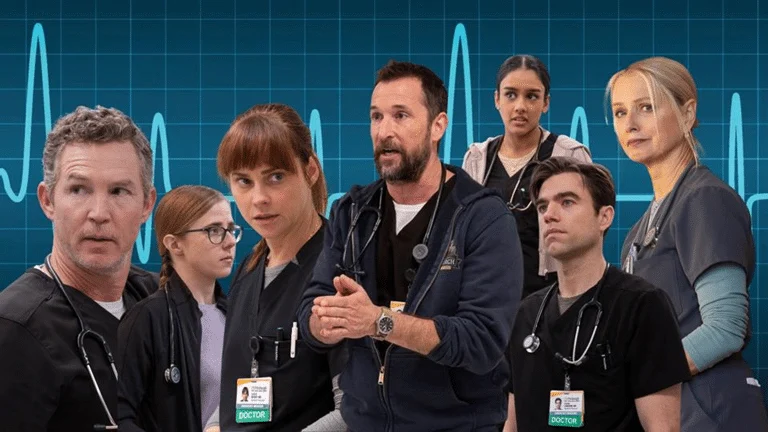
If you haven’t yet immersed yourself in the high-stakes, adrenaline-fueled world of HBO Max’s The Pitt, you are missing more than just compelling television; you are missing a masterclass in the systemic fractures currently defining American healthcare. While many medical procedurals rely on exaggerated tropes, The Pitt distinguishes itself through a brutal, unflinching commitment to clinical accuracy and the sociological realities of the aging experience in the United States.
By following the staff of a Pittsburgh emergency department through grueling, unrelenting shifts, the show exposes the invisible seams of a healthcare system pushed to its breaking point. As we witness these characters navigate life-or-death decisions, the show serves as a mirror, reflecting the quiet crises facing millions of families today.
Main Facts: A Window into the ED
The Pitt does not shy away from the complexities of modern medicine. From the technical execution of a "clamshell" thoracic surgery to the nuanced, often heart-wrenching conversations surrounding end-of-life care, the show demands the viewer’s full attention. Unlike its predecessors, which often prioritize workplace romance or miraculous recoveries, The Pitt focuses on the erosion of the patient-provider relationship under the weight of bureaucratic exhaustion.
The narrative architecture of the show is built upon the premise of a perpetually overwhelmed emergency department. Doctors are not depicted as infallible heroes, but as over-extended professionals struggling to manage caseloads that defy human capacity. When characters like Dr. Langdon admit to treating 16 patients in a single morning, the viewer is confronted with the reality of "production-line medicine," where the human element is often the first casualty.
Chronology: The Anatomy of a Systemic Collapse
To understand the gravity of the issues presented in the series, it is helpful to look at the progression of themes as they unfold across the first two seasons.
Season 1: The Invisible Caregiver
Early in the series, the show establishes the foundation of caregiver burden. We are introduced to the story of a mother and daughter struggling to manage the daughter’s declining health. The tension peaks when the adult daughter, pushed to the brink of collapse, simply disappears for several hours—not out of neglect, but because she had fallen asleep in her car, desperate for a moment of silence away from the constant, crushing responsibilities of caregiving. This moment serves as a pivotal bridge between fiction and the lived reality of millions of Americans.
Season 2: The Economic and Structural Tipping Point
By the second season, the show expands its scope to address the financial and structural barriers that prevent equitable care. The narrative arcs shift toward the "revolving door" phenomenon: patients being discharged into environments where they lack support, only to be readmitted when their conditions inevitably deteriorate. The introduction of financial dread—highlighted by a patient who leaves the hospital to avoid burdening his family with debt, only to return in critical condition—serves as a devastating indictment of the American healthcare affordability crisis.
Supporting Data: The Reality Beyond the Screen
While The Pitt is a scripted drama, the stakes it depicts are grounded in documented national crises. The following data points underscore the urgency of the themes portrayed in the series:
The Caregiver Crisis
According to the Caregiver Action Network, over 63 million U.S. adults act as caregivers for a spouse, parent, or relative. Roughly 20% of these individuals are balancing this intensive labor with full-time employment. The health implications are severe: caregivers report significantly higher rates of depression, anxiety, and susceptibility to chronic disease, often sacrificing their own health to serve their loved ones.
The Geriatrician Shortage
The show’s portrayal of the "geriatric fellowship" as a lower-tier specialty is a poignant critique of the medical field’s priorities. By 2030, one in five Americans will be 65 or older. Despite this demographic shift, the U.S. currently retains only about 7,000 board-certified geriatricians. To put this in perspective, there are over 60,000 pediatricians in the country. The U.S. Department of Health and Human Services has projected a shortfall of nearly 27,000 geriatric providers—a gap that is already impacting patient outcomes. Alarmingly, fewer than one in ten medical schools requires a geriatrics rotation, leaving the next generation of physicians woefully unprepared for the primary population they will serve.
Transportation and Access
The heartbreaking scene where patient Vera is stranded at the hospital, unable to afford a ride home, reflects a widespread failure in health equity. Research indicates that 3.6 million Americans miss or delay medical appointments due to transportation barriers. Among those who have not yet missed care, 50% report that they expect to do so in the near future, illustrating that for many, the barrier to health is not the medicine, but the logistics of access.
Official Responses and Industry Perspectives
Medical advocacy groups have lauded The Pitt for its ability to bring these "hidden" systemic failures into the public consciousness. Industry leaders note that the American Medical Association (AMA) has consistently identified emergency medicine as having the highest rate of physician burnout.
Experts in the field of aging research, such as those at the Alliance for Aging Research, argue that the "boomerang" effect depicted in the show—where patients are readmitted shortly after discharge—is a direct result of hospitals failing to account for the "social determinants of health." When doctors are forced to discharge patients into environments without adequate transportation, nutrition, or caregiver support, the clinical work performed inside the hospital becomes essentially meaningless.
The consensus among health policy analysts is that the problems displayed in The Pitt are not "glitches" in the system; they are features of a system that has failed to adapt to the demographic reality of an aging America.
Implications: The Path Forward
The cultural impact of The Pitt lies in its ability to force the viewer to confront the "why" behind the headlines. When we see a medical student, Dr. Whittaker, paying out-of-pocket for a ride-share for an elderly patient, we are witnessing an act of charity filling a void where there should be a robust public policy.
The Legislative Challenge
The implications of the show’s themes are clear: we are facing a massive misalignment between current healthcare infrastructure and the needs of an aging population. The issues raised—caregiver burnout, the lack of geriatric specialists, and the crushing weight of medical debt—are not problems that can be solved by individual physicians. They require systemic reform.
We are currently at a crossroads. As the largest generation of older adults in American history enters a stage of life requiring increased support, the decisions made today in Congress, in medical school curricula, and in healthcare policy will determine the standard of living for millions.
A Call to Action
The Pitt functions as more than entertainment; it is an urgent, fictionalized report from the front lines of a quiet epidemic. The characters on our screens may be playing roles, but the families they represent are fighting real battles. If we want to change the ending of this story, we must demand better support for family caregivers, greater investment in geriatric medicine, and a healthcare system that views the elderly not as a burden on the bottom line, but as a population deserving of dignity and consistent, high-quality care.
As the series concludes its current cycle, it leaves us with one haunting question: if our healthcare system is breaking under the weight of today’s challenges, how will it sustain itself when the demographic shift of the coming decade fully takes hold? The answer lies in the choices we make now. Let us ensure those choices are guided by empathy, data, and a commitment to the reality of the human experience.
Katrin Werner-Perez is the Director of Health Programs at the Alliance for Aging Research. This analysis is intended to bridge the gap between fictional narrative and the urgent policy needs of the aging American population.