








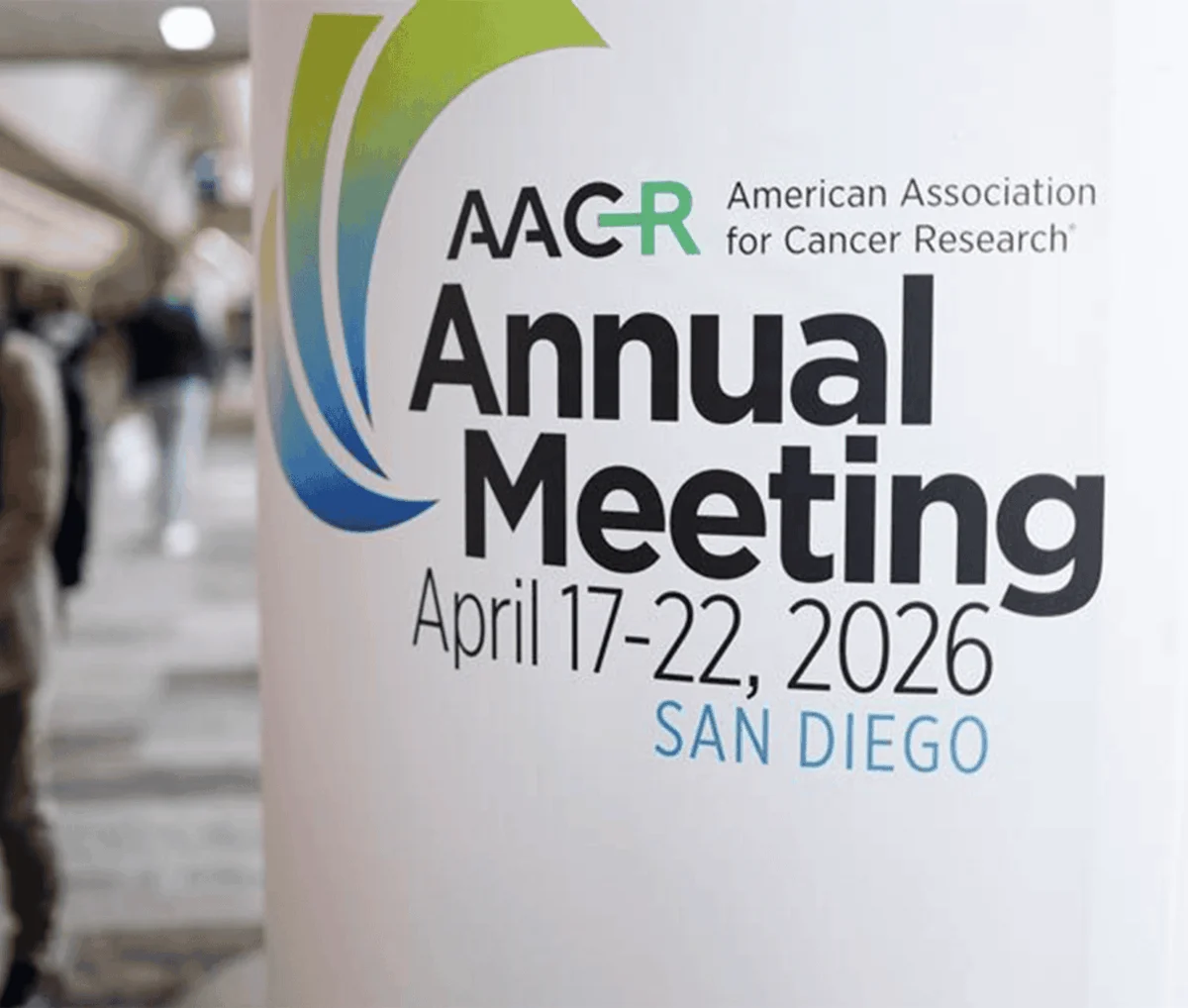
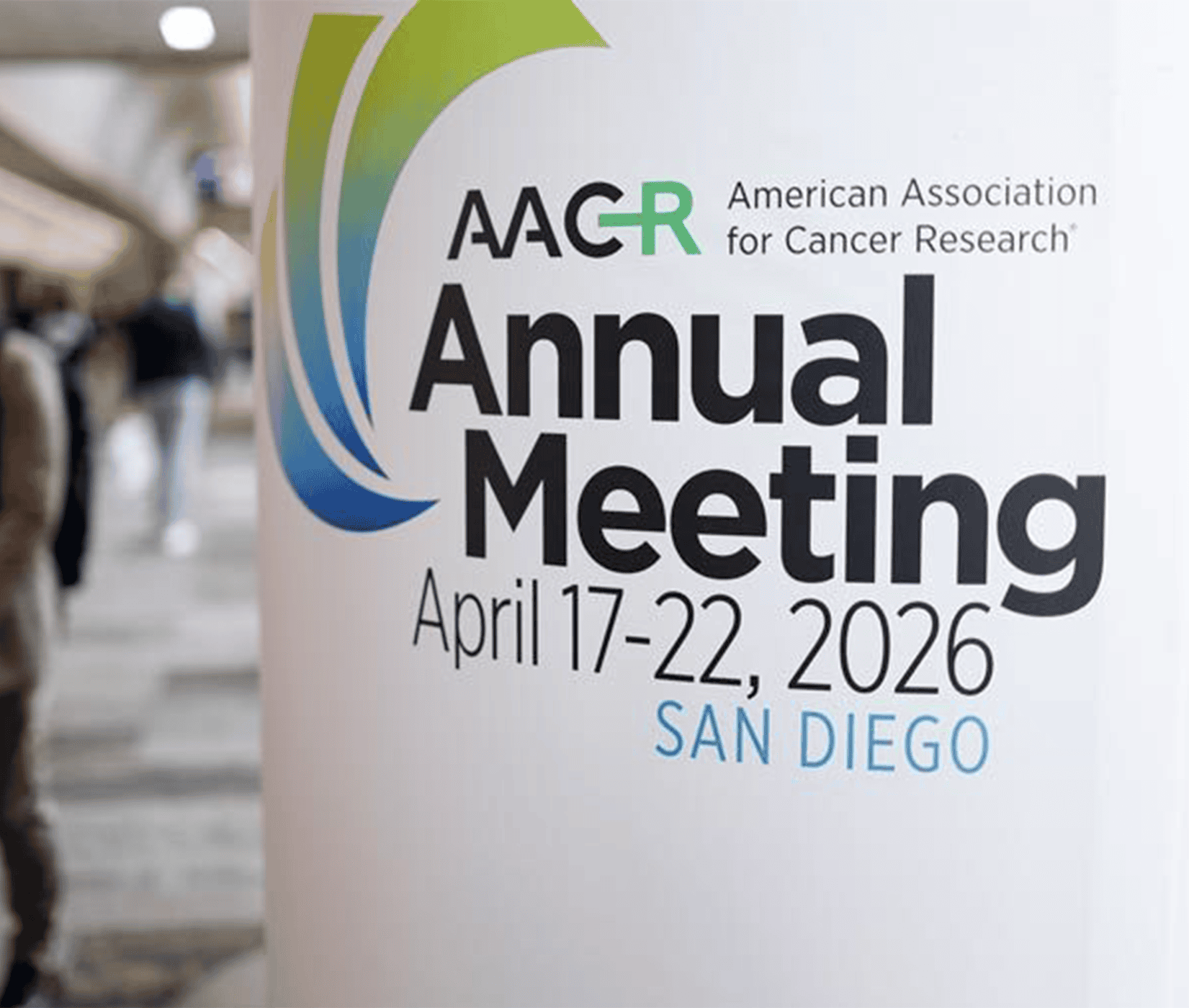
The 2026 American Association for Cancer Research (AACR) Annual Meeting, held in San Diego from April 17–22, served as a global stage for a fundamental shift in oncology. The conference moved beyond the traditional "find and destroy" paradigm, emphasizing a holistic, integrative approach that bridges biology, high-level technology, and systemic policy reform.
As the scientific community gathers to reflect on the breakthroughs presented, one reality has become clear: cancer is no longer viewed as a static target, but as a complex, evolving ecosystem. This article explores the core developments, the technological enablers, and the policy hurdles that define the future of cancer care.
I. Main Facts: The Evolution of Cancer Research
At the heart of the 2026 AACR discussions was the recognition that the tumor microenvironment (TME) is a dynamic participant in disease progression. Researchers are increasingly viewing tumors as "communities" of cells—not just malignant ones, but immune cells, metabolic networks, and microbial populations that dictate treatment success or failure.
One of the most provocative revelations involved the role of the nervous system in oncology. Once considered peripheral to cancer pathology, nerve signaling has emerged as a critical regulator of immune suppression. Studies presented in San Diego suggest that nerve-tumor crosstalk can actively shut down the body’s natural defenses. Furthermore, the infiltration of cancer cells into nerve structures is now being studied as a potential biomarker for immunotherapy efficacy, offering a new lens through which to view patient prognosis.
II. Chronology of the 2026 AACR Summit
- April 17: Opening plenary sessions established the theme of "Integrated Oncology," focusing on the convergence of AI and precision medicine.
- April 18: Deep-dive sessions into the "undruggable" genome, highlighting recent clinical successes against KRAS mutations.
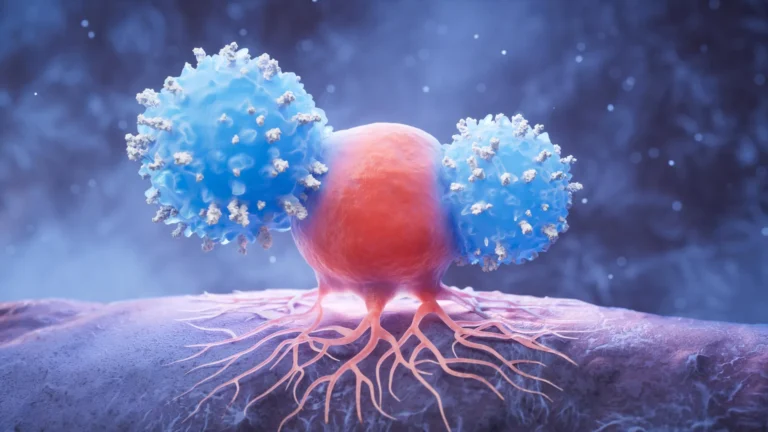
- April 19: Focused tracks on Immunotherapy, with a landmark AACR-ASCO joint session dedicated to the expansion of CAR T-cell therapy into solid tumors.
- April 20: Technology showcases, featuring 10x Genomics and AI-driven predictive modeling for clinical trial design.
- April 21: Policy discussions at the Researcher Town Hall, addressing the looming crisis of federal research funding and the infrastructure needs for equitable clinical trial access.
- April 22: Closing summaries and the presentation of the "Future of Care" roadmap, focusing on moving from discovery to real-world implementation.
III. Immunotherapy: Transitioning to Precision
The transformation of immunotherapy from a broad, systemic activation to a targeted, predictable discipline is arguably the field’s greatest achievement. The consensus at AACR 2026 was that we are entering an era of "second-generation" immunotherapies.
Overcoming Resistance
A critical challenge addressed was the "dysfunctional state" of immune cells. Even when T-cells are present in the tumor, they often become "exhausted" or inhibited by the tumor’s chemical environment. Researchers presented data on how to reverse this state, suggesting that resistance is not necessarily a permanent trait of the cancer, but a plastic, reversible condition.
CAR T-Cell Expansion
The persistent challenge of solid tumors remained a focal point. While CAR T-cell therapy has been a triumph in blood cancers, its application in solid tissues has historically been limited by poor trafficking and the hostile TME. The AACR-ASCO joint session highlighted next-generation engineered cells designed for greater durability and "stealth" targeting, aiming to bypass the protective barriers built by solid tumors.
Prevention as a Clinical Strategy
Perhaps the most optimistic development was the shift toward prevention. Clinical trials led by MD Anderson Cancer Center researchers demonstrated that direct injection of nivolumab (Opdivo®) into oral precancerous lesions reduced lesion size by an average of 60%. With over 80% of patients remaining cancer-free at the one-year mark, this indicates that immunotherapy could soon become a frontline tool for preventing the development of invasive, life-altering cancers.
IV. Supporting Data: The Digital and Biological Engine
Data transparency was a highlight of the event, with CRI Research Scientist Fahad Benthani, PhD, providing a comprehensive audit of the field. His analysis of over 24,000 global immunotherapy trials revealed a significant shift in the diversification of therapeutic combinations.
AI and Single-Cell Resolution
The integration of technology into the lab bench is accelerating discovery at unprecedented speeds. Artificial Intelligence is now an essential partner in:
- Drug Discovery: Identifying novel targets that were previously invisible to human analysis.
- Trial Design: Simulating patient responses before a single dose is administered.
- Spatial Analysis: Platforms now allow researchers to map the TME at single-cell resolution, revealing how immune cells "talk" to their neighbors in three-dimensional space.
The Rise of Predictive Models
The industry is moving away from traditional, less-predictive animal models. Organoids (mini-organs grown in a dish) and patient-derived xenografts are becoming the gold standard for testing personalized drug responses. These models allow for a "trial-in-a-dish" approach, significantly increasing the likelihood of successful human clinical outcomes.
V. Official Responses and Policy Implications
Despite the scientific euphoria, a sobering reality persisted throughout the meeting: the "Valley of Death" between a laboratory breakthrough and a patient’s bedside.
The Funding Gap
The Researcher Town Hall served as a venue for frank discussions regarding federal funding. With global competition increasing, the United States faces the risk of losing its leadership position in oncology if investment in basic science does not keep pace with clinical innovation.
Clinical Trial Accessibility
CRI’s Director of Strategic Programs, Cynthia Neben, PhD, presented data highlighting the systemic barriers to clinical trial participation. Even the most effective therapies fail to impact public health if they remain inaccessible to the general population. The current infrastructure is too slow, too fragmented, and too difficult for the average patient to navigate. Policy experts called for:
- Standardized Enrollment: Simplifying the entry process to include more diverse patient populations.
- Infrastructure Investment: Streamlining the regulatory pipeline to launch trials faster.
- Global Harmonization: Aligning regulatory requirements across borders to allow for larger, more efficient international trials.
VI. Implications for the Future of Cancer Care
The 2026 AACR Annual Meeting confirmed that we have reached an inflection point. The science of cancer has matured to the point where we can realistically talk about curing previously "untreatable" diseases. However, the path forward requires a fundamental recalibration of our priorities.
From Discovery to Implementation
The overarching lesson of the week was that "discovery is not enough." We are moving into a phase where the primary obstacle to progress is no longer biological ignorance, but structural inefficiency. The future of cancer care rests on three pillars:
- Biological Integration: Viewing the cancer, the immune system, and the microbiome as one unified entity.
- Technological Scaling: Using AI and spatial biology to turn massive datasets into actionable treatment plans.
- Policy Advocacy: Ensuring that the clinical trial system is as innovative as the drugs it is designed to test.
As we look beyond 2026, the global oncology community faces a clear mandate. The breakthroughs in San Diego are not merely academic successes; they are a call to action. To truly improve outcomes, the research community must ensure that these high-tech, precision-medicine solutions are not just available to a select few, but are woven into the fabric of everyday clinical practice.
The era of "one-size-fits-all" is over. We have entered the era of precise, integrated, and proactive oncology—a future where the goal is not just to extend life, but to eradicate the threat of cancer before it ever takes hold. The challenge for the coming decade is not just to dream of these solutions, but to build the infrastructure that makes them work for everyone.