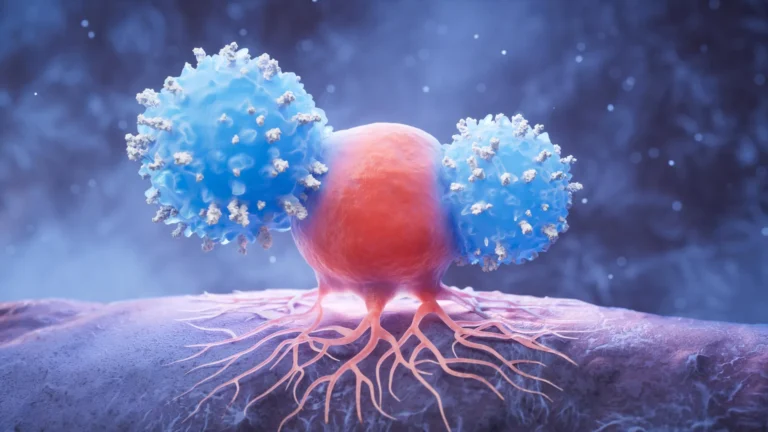









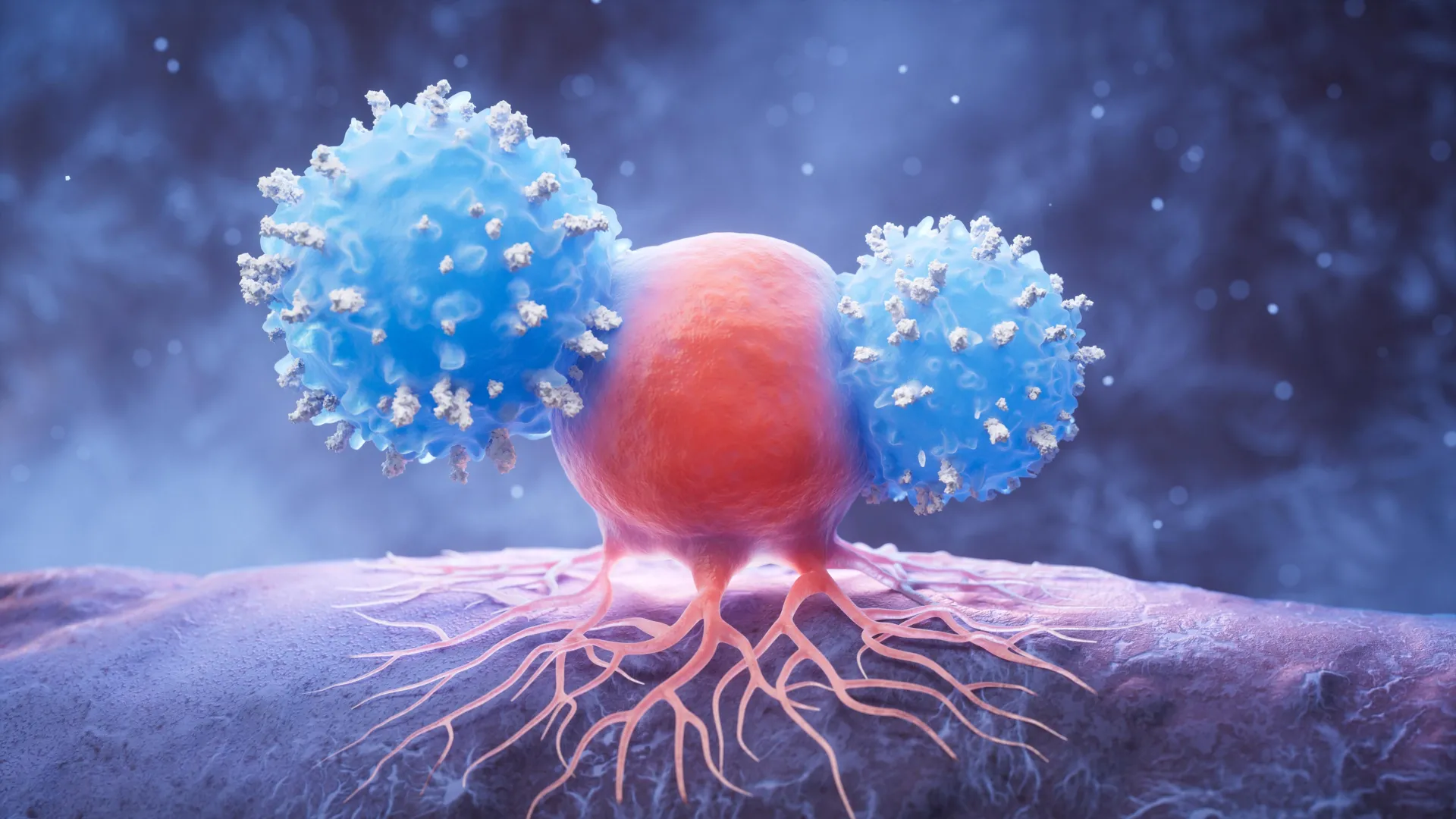
In a landmark discovery that promises to redefine the landscape of oncology, a team of researchers has identified a previously unknown mechanism that allows cancer cells to evade the body’s immune defenses. The study, led by Dr. André Veillette of the Montreal Clinical Research Institute (IRCM) and the Université de Montréal, centers on a molecule known as SLAMF6. By uncovering how this molecule acts as an internal "brake" on T cells—the immune system’s primary soldiers—scientists have opened the door to a new generation of targeted cancer therapies. The findings, published in the prestigious journal Nature, offer a potential lifeline for patients who have exhausted current treatment options.
The Main Facts: Deciphering the SLAMF6 Mechanism
At the heart of the immune system’s fight against cancer are T cells, which patrol the body to identify and destroy malignant cells. However, tumors have evolved sophisticated ways to survive, often by hijacking the body’s natural "checkpoint" proteins to switch off these T cells.
While existing immunotherapies, such as PD-1 and PD-L1 inhibitors, have revolutionized cancer care, they primarily focus on signals created by the tumor itself. The discovery by Dr. Veillette’s team shifts the paradigm by identifying SLAMF6 as an intrinsic suppressor. Unlike other checkpoints that require external interaction with a tumor cell to trigger suppression, SLAMF6 is capable of self-activation directly on the surface of the T cell.
When SLAMF6 binds to itself, it sends inhibitory signals that effectively "paralyze" the T cell, preventing it from mounting a robust attack against cancerous growth. By developing monoclonal antibodies designed to block this self-binding process, the researchers have successfully demonstrated—at least in preclinical models—that they can "release the brake," allowing the immune system to regain its lethal precision against tumors.
A Chronological Perspective: The Path to Discovery
The journey toward this breakthrough was defined by years of rigorous inquiry into the molecular architecture of immune cell communication.
Phase I: Identifying the Molecular Culprit
The research began with a fundamental question: Why do certain T cells become exhausted or non-functional in the presence of cancer, even when traditional checkpoint inhibitors are employed? Through systematic screening of the T-cell surface, the team isolated SLAMF6, a receptor previously known for its roles in immune cell activation, but now revealed to possess a dual, darker purpose as a suppressor.
Phase II: Unraveling the Mechanism of Action
Following the identification of SLAMF6, the team spent years mapping the signaling pathways triggered by the molecule. They discovered that the molecule does not wait for a "stop" signal from a tumor; it communicates with itself in a process known as homophilic interaction. This internal loop keeps T cells in a state of chronic suppression, rendering them ineffective at infiltrating or destroying solid tumors.
Phase III: The Engineering of Neutralizing Antibodies
With the mechanism identified, the team shifted from basic science to translational engineering. Working in the lab, they developed specialized monoclonal antibodies. These biological agents act as a molecular shield, physically preventing SLAMF6 molecules from connecting with one another. By disrupting the self-binding mechanism, the researchers were able to restore the proliferative and cytotoxic capabilities of the T cells in laboratory environments.
Supporting Data: Efficacy in Preclinical Models
The laboratory testing phase of this research provided compelling evidence that blocking SLAMF6 is a viable therapeutic strategy. In experiments conducted using mice, the team observed three critical outcomes:
- Restored T-Cell Functionality: T cells treated with the new antibodies exhibited significantly higher rates of cytokine production, an essential indicator of immune activation and "killing" potential.
- Tumor Regression: In mice bearing aggressive tumors, the administration of SLAMF6-blocking antibodies led to a measurable reduction in tumor volume compared to control groups.
- Synergistic Potential: The researchers found that the antibodies performed consistently better than existing approaches, and crucially, they showed potential for combination therapy. When used in conjunction with other immune-stimulating agents, the treatment demonstrated an enhanced capacity to clear resistant tumor cells that had previously ignored traditional therapies.
The data suggests that this approach is not merely an incremental improvement but a distinct, more potent mechanism that could address the limitations of the current standard of care.
Official Responses and Expert Commentary
The significance of this work has been recognized globally, with leading figures in medical research hailing it as a transformative moment for oncology.
Dr. Jean-François Côté, President and Scientific Director of the IRCM, praised the team’s persistence and vision. "The discovery made by Dr. Veillette’s team opens the door to a new chapter in immunotherapy," Côté noted. "By identifying an internal brake that had until now gone unrecognized and by developing antibodies capable of neutralizing it, our researchers are offering an innovative solution to the limitations of current treatments. Rooted in a strategic vision to develop precision therapeutics, this breakthrough brings real hope to many patients and stands as a strong example of the impact of the translational research conducted at the IRCM."
The publication in Nature serves as a testament to the scientific rigor of the study, "SLAMF6 as a drug-targetable suppressor of T cell immunity against cancer." The collaborative nature of the project—spanning the Université de Montréal and the IRCM—underscores the importance of institutional partnerships in tackling complex biological puzzles.
Implications: A New Chapter for Cancer Patients
The implications of this discovery are profound, particularly for the significant subset of the cancer patient population currently underserved by existing treatments.
Addressing Therapeutic Resistance
One of the most persistent challenges in modern oncology is "acquired resistance." Many patients respond well to PD-1 or PD-L1 inhibitors initially, only to find their cancer returning once the tumor evolves to bypass those specific pathways. Because the SLAMF6 pathway operates independently of the PD-1/PD-L1 axis, the new antibodies could provide a "second line of defense." By hitting a different target, these drugs could potentially bypass the resistance mechanisms that currently render many cancers "cold" or unresponsive to immunotherapy.
Precision Medicine and Future Trials
The next phase of the research involves the transition to human clinical trials. These early-stage trials will be critical in evaluating the safety profile and determining the appropriate dosage for patients with both solid tumors and blood cancers.
The researchers anticipate that the therapy could eventually be used in two primary ways:
- As a Monotherapy: Targeting SLAMF6 directly in cases where this molecule is the primary driver of T-cell suppression.
- As Part of a Combination Protocol: Integrating the antibody into multi-drug regimens to "prime" the immune system, making subsequent treatments more effective.
A Broader Impact on Translational Research
This breakthrough also highlights the value of long-term investment in basic science. The funding provided by the Canadian Institutes of Health Research (CIHR), the Terry Fox Research Institute, BioCanRx, the Québec Ministry of Economy, Innovation and Energy, and the Canadian Foundation for Innovation allowed the team the time and resources necessary to explore the biological nuances of SLAMF6. As medicine moves toward increasingly personalized protocols, the ability to identify such specific molecular targets is the cornerstone of the next decade of cancer treatment.
Conclusion
The discovery of the SLAMF6 "brake" is a powerful reminder of how much remains to be learned about the human immune system. While the road from a laboratory mouse model to a bedside treatment is paved with challenges, the potential here is immense. By offering a new, druggable target that functions independently of established pathways, Dr. Veillette and his team have provided the oncology community with a new weapon in the ongoing war against cancer. As the research moves toward clinical trials, the medical community—and more importantly, patients facing difficult diagnoses—will be watching with cautious, but well-founded, optimism. The era of precision immunotherapy is not just continuing; it is entering an entirely new and promising phase.