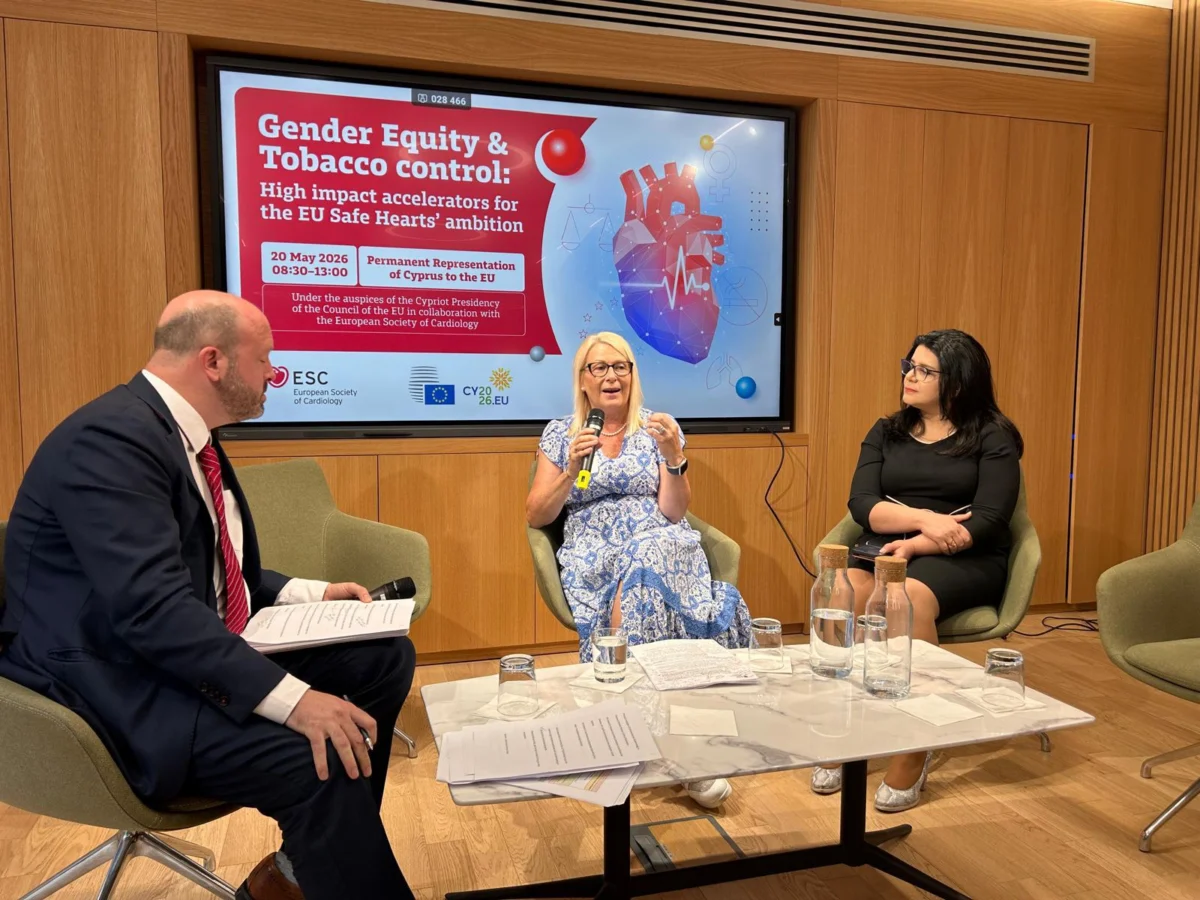
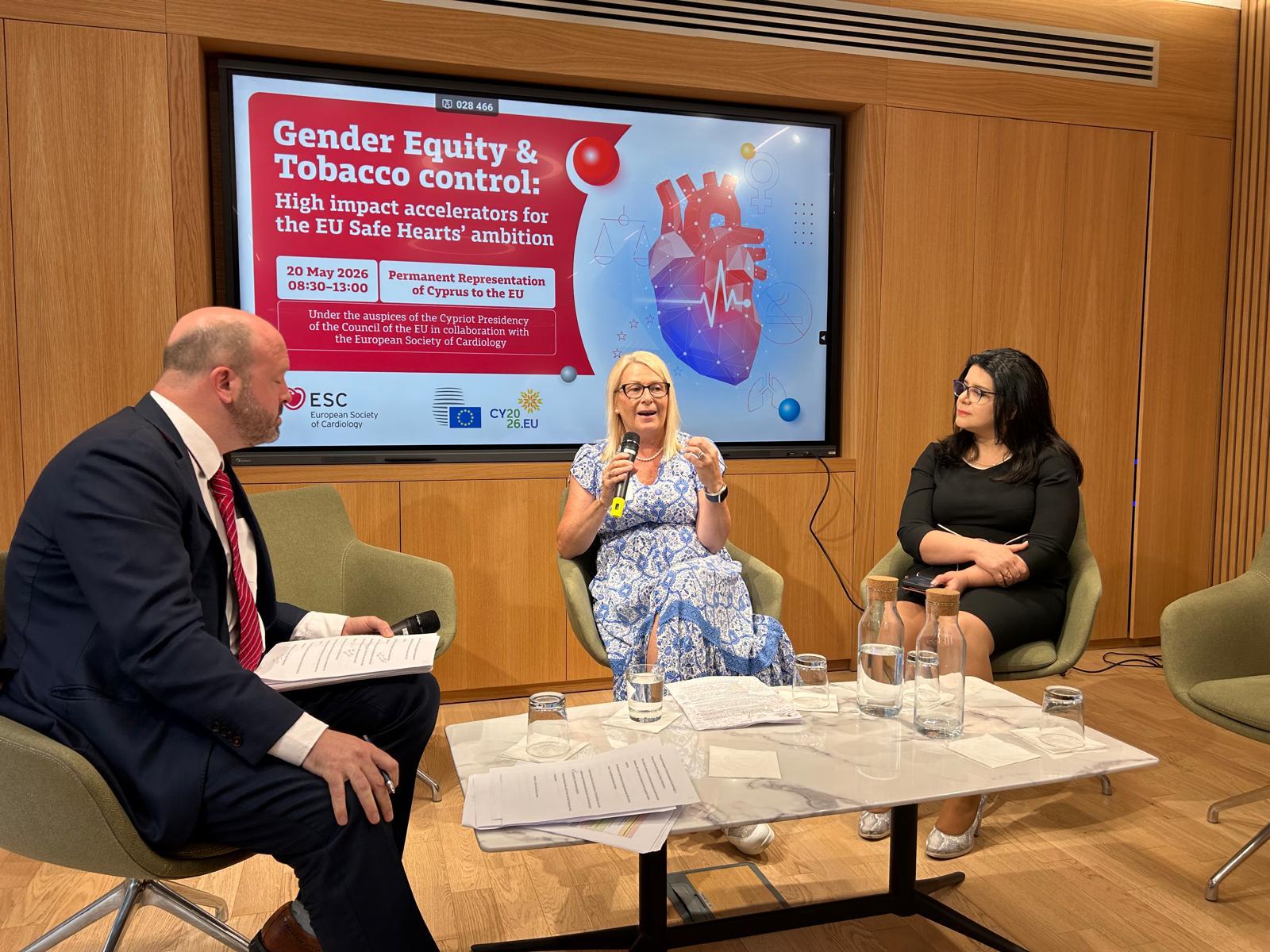
On May 20th, the European Lung Foundation (ELF) demonstrated the vital necessity of incorporating the lived experience of patients into high-level policy discourse. Through the simultaneous engagement of two key leaders, Helen Parks and Phil Taverner, the ELF successfully elevated patient-centered concerns at both the European parliamentary level and within specialized UK clinical networks. By bridging the gap between clinical data and the daily reality of those living with respiratory conditions, the ELF is actively recalibrating how policymakers view tobacco control and air quality.
Main Facts: A Dual-Front Engagement
The ELF’s activities on May 20th represented a strategic push for better health outcomes across two critical areas of respiratory medicine.
In Brussels, Helen Parks, an ELF Council member and Chair of the ELF United Patient Advisory Group (UPAG), served as a key speaker at a high-level European Society of Cardiology (ESC) event. The focus was the "EU Safe Hearts Plan," a policy initiative aimed at addressing gender equity in cardiovascular care while simultaneously tackling the rising tide of tobacco and nicotine consumption.
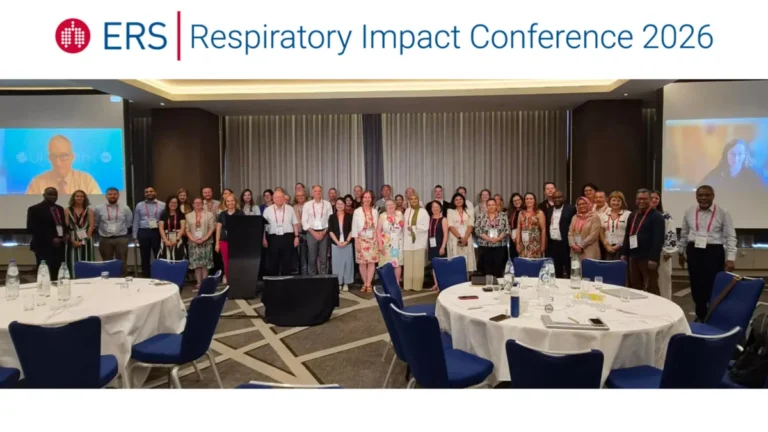
Concurrently, Phil Taverner, the incoming ELF Chair, participated in a virtual "Clean Air Champions" network meeting in the United Kingdom. This initiative is designed to empower clinicians to bridge the communication gap between healthcare systems and patients regarding the hazardous impacts of air pollution on respiratory health.
These two events underscore the ELF’s commitment to a dual mandate: advocating for robust, systemic public health regulation while empowering clinicians to better support the individual needs of their patients.
Chronology of Advocacy
The day’s events were carefully coordinated to maximize the influence of the patient voice.
- Morning (Brussels, CET): Helen Parks engaged with policymakers and cardiologists during the ESC event. The discussion centered on the intersection of heart and lung health, specifically how smoking and vaping serve as shared risk factors for both cardiovascular and respiratory diseases. Parks provided a stark testimonial on the evolution of nicotine addiction in schools.
- Afternoon (UK, GMT): Phil Taverner joined the Clean Air Champions network. This session was distinct in its focus on "clinical translation"—the art of explaining the abstract dangers of nitrogen dioxide and particulate matter to patients in a way that is both empowering and actionable.
- Evening (Synthesis): The ELF consolidated these takeaways to form a strategic roadmap for upcoming advocacy campaigns, emphasizing that neither tobacco control nor clean air policies can succeed without the "patient reality check."
Supporting Data: The Rising Tide of Risk
The arguments presented by Parks and Taverner are backed by growing clinical concern regarding environmental and behavioral health threats.
The Vaping Epidemic
Helen Parks’ testimony regarding the rapid rise of vaping among students is supported by recent European trends. According to reports from the World Health Organization (WHO) and regional health bodies, nicotine uptake among adolescents is at a decade-high. The concern is not merely limited to the nicotine itself but the "gateway effect" and the unknown long-term pulmonary consequences of inhaling aerosolized chemical flavorings. Parks highlighted a specific trend: the disproportionate impact on teenage girls, a demographic that marketing efforts have increasingly targeted through aesthetic branding and flavor profiles.
The Air Quality Crisis
Phil Taverner’s contribution focused on the "invisible" nature of air pollution. While the European Union has made strides with the Clean Air Act and various monitoring initiatives, the clinical reality for asthma patients remains dire. Exposure to PM2.5 (fine particulate matter) is consistently linked to exacerbations in chronic obstructive pulmonary disease (COPD) and asthma. Taverner noted that while clinicians often suggest "avoiding polluted areas," this advice is frequently impossible for low-income patients who live near high-traffic zones or work in environments with poor ventilation.
Official Responses and Perspectives
The reception of the ELF’s contributions highlights the shift toward "Patient-Informed Policy."
Helen Parks: From Teacher to Advocate
Parks’ unique position—both as a person living with asthma and as an educator—provided the panel with a rare perspective. She argued that the regulatory framework for vaping is currently "largely unregulated" compared to traditional tobacco. Her call to action was clear: policymakers must treat vaping with the same rigor as smoking, including strict age-gating, flavor restrictions, and standardized health warnings. The ESC panel acknowledged that the "Safe Hearts" initiative must incorporate these elements to be truly effective in protecting the next generation’s cardiovascular and respiratory health.
Phil Taverner: Bridging the Clinical Gap
Taverner’s role in the Clean Air Champions network centered on the concept of "health literacy." He argued that healthcare professionals often speak in medical jargon that alienates the patient. When a patient is told to "avoid pollution," the clinical advice fails to account for the socioeconomic reality of the patient’s life. Taverner’s advocacy focuses on creating "patient-friendly" communication tools that help people navigate their environments without feeling helpless. The clinical network responded by agreeing to develop new guidelines for "Pollution Conversations," which will be integrated into future patient consultation protocols.
Implications: Why Patient Participation Matters
The participation of Parks and Taverner is not merely symbolic; it is a fundamental requirement for effective governance. When policies are drafted solely by bureaucrats or clinicians, they often lack the "friction" of real-world application.
- Closing the Policy-Practice Gap: By identifying that current anti-smoking policies have not caught up to the vaping reality, Parks has pushed regulators to consider emergency measures that reflect modern consumption patterns.
- Humanizing the Data: Taverner’s input changes the conversation around air quality from an environmental engineering problem to a human rights issue. It shifts the burden from the individual (who is often powerless) to the state (which has the power to mandate cleaner air).
- Refining Healthcare Approaches: The ELF is moving toward a model where patients act as co-designers of their own care plans. This means that when a doctor discusses air quality, they are equipped with practical, validated resources that the ELF has developed based on patient feedback.
Looking Ahead: The Future of Advocacy
The work performed on May 20th is the foundation for a broader, multi-year European strategy. The ELF has announced that it will continue to leverage these networks to ensure that the patient voice is not an afterthought but a central pillar of the European Health Union’s agenda.
Upcoming Priorities:
- Legislative Pressure: The ELF will continue to lobby for the total inclusion of vaping products in all tobacco control directives at the EU level.
- Clinical Training: The Clean Air Champions network will expand its reach, with plans to roll out training modules to general practitioners across the UK and beyond, specifically focusing on how to support patients with chronic respiratory conditions in polluted urban centers.
- Data Integration: By gathering longitudinal data from the UPAG, the ELF aims to publish a "State of the Patient" report, which will use qualitative experiences to pressure governments to meet WHO air quality standards.
In conclusion, the engagement of Helen Parks and Phil Taverner represents a turning point for the European Lung Foundation. By blending personal narrative with sharp, policy-oriented advocacy, they have underscored a fundamental truth: policies that affect the lungs and the heart must be shaped by those who live with the consequences of their failure. As the ELF continues to bridge the gap between the patient’s daily struggle and the policymaker’s pen, the prospect for a healthier, cleaner, and better-regulated future for all Europeans becomes significantly more attainable. The lesson from May 20th is clear: the most effective way to improve public health is to ensure that the people it serves are the ones leading the discussion.