










As the American consumer landscape undergoes a seismic shift in dietary consciousness, the breakfast cereal aisle—long the fortress of neon-bright, sugar-laden processed foods—is showing its first true signs of a structural evolution. A subtle, almost clandestine transition is currently underway, one that replaces synthetic dyes with natural vegetable-based alternatives.
This change, long advocated by food safety experts and public health activists, is now finding its way into the supply chain. However, as noted by Marion Nestle and Lisa Sutherland in their forthcoming book, Sugar Coated: Unboxing the Hidden Forces Shaping America’s Favorite Breakfast Food (due September 8), this transition is more complex than a simple label change. It represents a tug-of-war between the "Make America Healthy Again" (MAHA) movement, corporate bottom lines, and the enduring reality of processed nutrition.
Main Facts: The Transition to Natural Pigments
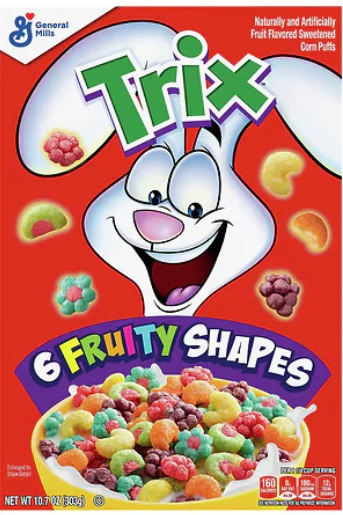
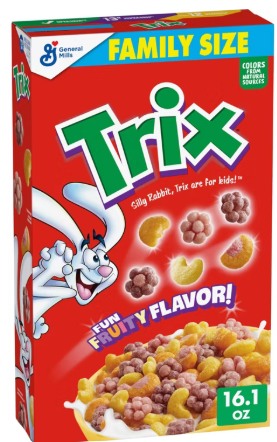
The most striking development in this space is the quiet rollout of reformulations for classic childhood staples. Take, for example, the recent iteration of Trix, which has begun appearing on store shelves with a significant modification: the total removal of synthetic dyes like Red 40, Yellow 6, and Blue 1. In their place, manufacturers are utilizing extracts from fruits, vegetables, annatto, and turmeric.
The shift is so subtle that it is easy to miss. On the updated packaging, a small, discreet green label in the upper-right corner informs the consumer that the product now contains "colors from natural sources."
This is not a top-down legislative mandate, but rather a reactionary move by food manufacturers responding to a burgeoning, vocal consumer demand for "cleaner" labels. While the aesthetic profile of the cereal remains remarkably similar to its synthetic predecessor, the ingredient list reveals a fundamental divergence in chemical composition.
A Chronology of the Synthetic Dye Debate
The controversy surrounding artificial food dyes is not new, yet its intensity has reached a fever pitch in the mid-2020s.
- The Early 2000s: Public concern regarding the potential links between synthetic dyes and hyperactivity in children began to move from fringe academic papers into the mainstream consciousness.
- The 2010s: European regulators began demanding warning labels on products containing certain artificial colors, effectively forcing a "dual-track" production system where many multinational corporations created "cleaner" versions of their products for European markets while maintaining synthetic formulas for the United States.
- 2023–2025: The rise of the "Make America Healthy Again" (MAHA) movement catalyzed a renewed focus on the additives within the American food supply. Influencers and health advocates began scrutinizing the "Ultra-Processed Food" (UPF) category with unprecedented vigor.
- June 2026: Retail availability of the dye-free Trix reformulation marks a turning point where major breakfast cereal brands—previously resistant to change due to cost and shelf-stability concerns—began systematically replacing chemical dyes with botanical alternatives.
Supporting Data: Comparing the Formulations
To understand the scope of this change, one must look directly at the ingredient labels. The difference is stark, highlighting the shift from petroleum-derived colors to natural pigments.
Trix (New Formula: Colors from Natural Sources):
- Primary Ingredients: Whole Grain Corn, Sugar, Corn Meal, Corn Syrup, Maltodextrin, Rice Flour, Canola and/or Sunflower Oil.
- The Coloring Agents: Vegetable and Fruit Juice, Annatto Extract, Turmeric Extract.
- Additional Additives: Natural and Artificial Flavor, Trisodium Phosphate, Citric Acid, Malic Acid, Rosemary Extract, Vitamins, and Minerals.
Trix (Original Formula: Synthetic Colors):
- Primary Ingredients: Whole Grain Corn, Sugar, Rice Flour, Corn Syrup, Canola and/or Sunflower Oil.
- The Coloring Agents: Red 40, Yellow 6, Blue 1.
- Additional Additives: Natural and Artificial Flavor, Trisodium Phosphate, Citric Acid, Malic Acid, Rosemary Extract, Vitamins, and Minerals.
The removal of Red 40, Yellow 6, and Blue 1 removes a long-standing source of contention. However, the presence of "Artificial Flavor" and high levels of sugar remains a constant in both versions, reminding consumers that "natural color" does not equate to a health food.
Official Responses and Corporate Strategy
The decision to swap dyes is rarely accompanied by a grand press release. Instead, companies are opting for a "silent reform" strategy. By implementing these changes quietly, corporations avoid drawing attention to the fact that the previous formula—which they defended for decades—contained ingredients that consumers are now labeling as "toxic" or "harmful."
Industry analysts suggest this strategy serves two purposes:
- Risk Mitigation: It addresses the concerns of the most vocal, health-conscious segment of the population without alienating the broader, legacy consumer base that expects the cereal to look and taste exactly as it did thirty years ago.
- Cost Management: Natural dyes are significantly more expensive than their synthetic counterparts. By rolling these changes out slowly and across specific product lines, companies can balance their profit margins against the shifting regulatory environment.
There has been no official acknowledgment from major manufacturers regarding the MAHA movement’s role in these decisions. Instead, corporate statements typically cite "consumer preference for transparent labeling" as the driving force behind the modifications.
Implications: The Limits of "Natural"
While the transition to vegetable-based dyes is a victory for proponents of cleaner ingredients, experts warn against the "health halo" effect.
As noted in Sugar Coated, the marketing of these products often leans on the removal of "bad" ingredients to distract from the reality of the nutritional profile. Even with natural colors, these cereals remain highly processed, nutrient-poor, and sugar-dense. The removal of a chemical dye does not neutralize the physiological impact of a high-glycemic breakfast.
The Regulatory Landscape
The FDA has historically maintained that artificial dyes approved for use in the U.S. are safe for the general population. However, the discrepancy between U.S. and European standards has created a "transparency gap." As social media continues to democratize information about food production, the FDA faces mounting pressure to re-evaluate its stance on additives that are already banned or restricted in other developed nations.
The Future of the Breakfast Aisle
We are likely to see a tiered market emerge. On one end, we will have "ultra-processed legacy" brands that are slowly "cleaning up" their labels to maintain relevance. On the other, we will see the rise of niche, high-nutrition breakfast options that do not require "color from natural sources" because they do not attempt to replicate the neon aesthetic of the mid-20th century.
The ultimate implication of this trend is that the American consumer is no longer a passive recipient of whatever the food industry decides to produce. Through the combination of legislative advocacy, grassroots movements like MAHA, and the sheer power of label-reading, the American breakfast is undergoing a forced maturation.
Conclusion
The quiet arrival of dye-free Trix is a microcosm of the modern food struggle. It is a win, certainly—removing synthetic, petroleum-derived dyes from the diets of children is a measurable improvement in food safety. Yet, it is only one step.
As Lisa Sutherland and Marion Nestle articulate in their upcoming work, the "hidden forces" shaping our breakfast are not just the chemicals in the bowl, but the sugar, the marketing, and the industrial processing that define the category. While we should applaud the removal of artificial dyes, we must remain vigilant. The disappearance of Red 40 is a welcome change, but it is not a cure for the nutritional deficits inherent in the modern, ultra-processed American diet.
The next time you walk down the cereal aisle, look closely at that upper-right corner. The green label is a sign that the industry is listening, but the responsibility for true nutritional health remains firmly in the hands of the consumer. As the market continues to evolve, the challenge will be to push beyond the "natural color" labels and demand true substance, moving from a culture of "less bad" to one of "actually good."