








14 July, 2026
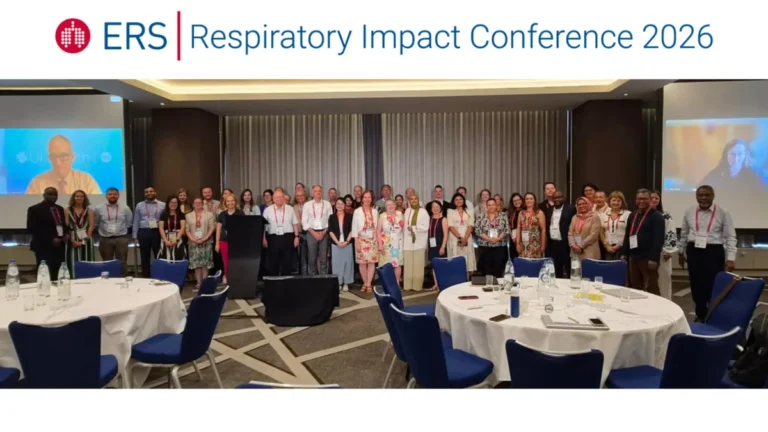
The landscape of respiratory medicine is currently witnessing a transformative shift, particularly concerning rare genetic conditions that have historically been under-diagnosed and under-treated. Among these, Alpha-1 Antitrypsin Deficiency (AATD) remains a critical focus for the global respiratory community. As researchers and clinicians prepare for the upcoming European Respiratory Society (ERS) Alpha-1 Antitrypsin Conference, the event promises to be a pivotal nexus for scientific exchange, clinical innovation, and collaborative progress.
The two-day conference is not merely an academic gathering; it is a strategic assembly designed to bridge the chasm between bench science and bedside practice. By gathering an international cohort of experts, early-career researchers, and patient advocates, the ERS aims to redefine the standard of care for AATD patients worldwide.
Main Facts: The Strategic Importance of the 2026 Conference
The ERS Alpha-1 Antitrypsin Conference serves as the premier forum for professionals dedicated to tackling the complexities of AATD. With the field advancing at a pace rarely seen in rare disease research, the conference acts as an essential calibration point for clinicians and scientists alike.
At its core, the event is built on the premise that complex, multi-system diseases require a multi-disciplinary approach. AATD, characterized by low levels of the protective protein alpha-1 antitrypsin, predisposes individuals to both pulmonary and hepatic complications. The conference program has been meticulously crafted to address these distinct, yet overlapping, clinical challenges. Attendees can expect a comprehensive deep-dive into the latest diagnostic modalities, emerging therapeutic pipelines—including gene therapies and augmentation strategies—and the nuances of managing the global registry data that informs modern clinical decision-making.
For the practitioner, the value lies in the immediate translation of research into clinical practice. The conference is specifically structured to offer actionable insights, moving beyond theoretical discussions to address real-world hurdles, such as the diagnostic delays often faced by patients in primary care settings and the intricacies of long-term disease monitoring.
Chronology of Progress: A Decade of ERS-Led Initiatives
The evolution of AATD management over the last decade has been intrinsically linked to the work of the European Respiratory Society and its affiliated research bodies.
- 2016–2018: The early years were defined by the standardization of registries across Europe. The focus was on identifying the prevalence of the condition and establishing the clinical characteristics of the patient population.
- 2019–2021: The research community shifted toward investigating the interplay between AATD and other chronic respiratory diseases, such as COPD and bronchiectasis, leading to more nuanced diagnostic guidelines.
- 2022–2024: This period marked the emergence of advanced pharmacological research. The focus transitioned to clinical trials for novel augmentation therapies and the integration of genetic screening into standard respiratory care pathways.
- 2026: The current conference arrives at a point of consolidation. With the maturation of the Clinical Research Collaboration (CRC) frameworks and the EARCO (European Alpha-1 Research Collaboration) network, the 2026 meeting is set to finalize the roadmap for the next five years of international research.
Supporting Data: Why AATD Demands Global Attention
The clinical urgency of AATD cannot be overstated. Current data suggests that while AATD is a relatively common genetic disorder, it remains significantly under-diagnosed. Statistics from the European Respiratory Society suggest that for every diagnosed patient, there are dozens of individuals living with the deficiency who remain unaware of their condition.
The reliance on global registries, such as those overseen by EARCO, has provided a backbone of evidence-based practice. These registries have revealed that patient outcomes are significantly improved when care is centralized in expert centers that utilize standardized protocols for spirometry, imaging, and genetic testing.
Furthermore, the integration of "hot topic" debates into this year’s conference agenda is a direct response to the ambiguity in current clinical literature. For instance, the ongoing debate regarding the link between AATD and bronchiectasis—and the efficacy of specific treatments in that sub-population—is a point of intense interest. By dedicating session time to these controversial areas, the conference ensures that practitioners are equipped with the latest data to make informed, evidence-based decisions rather than relying on outdated or anecdotal approaches.
Official Perspectives: Prof. Alice Turner on the Future of Care
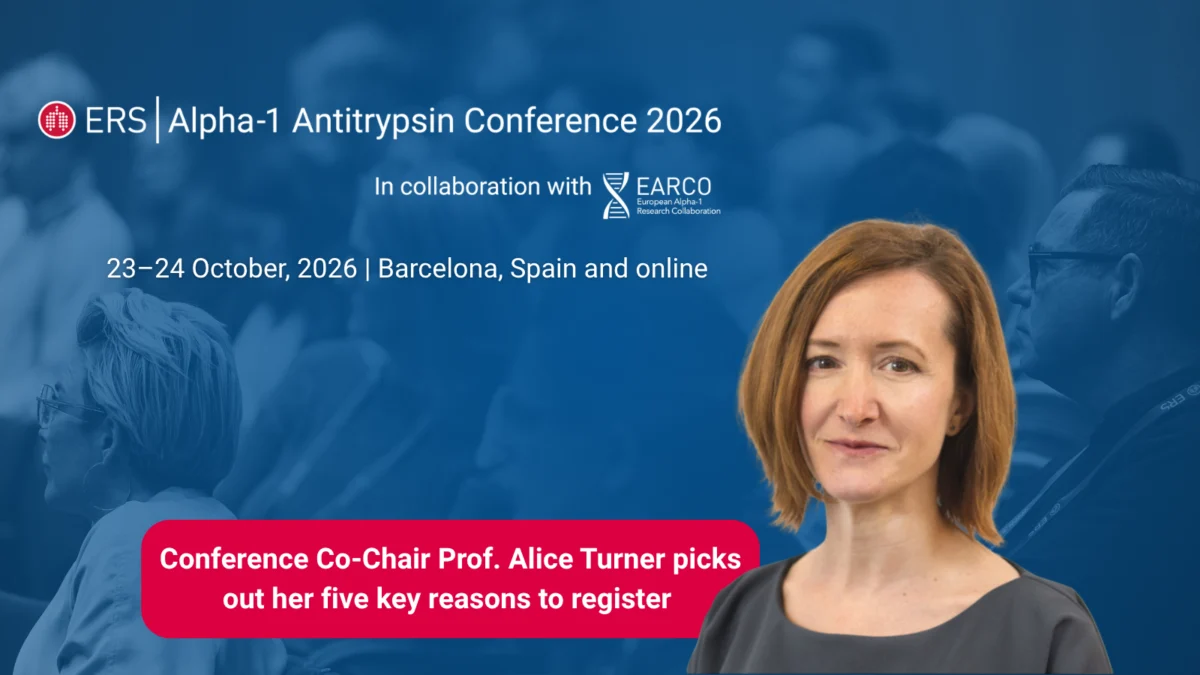
Co-Chair Prof. Alice Turner emphasizes that the strength of this year’s event lies in its accessibility and the "intimacy" of the knowledge exchange. In a field dominated by large, sprawling congresses, the focused nature of the ERS Alpha-1 Antitrypsin Conference allows for meaningful, in-depth discourse.
"This event is designed to move the needle," Prof. Turner notes. "We are bringing together the major research groups, the policymakers, and the clinicians who see patients every day. By fostering an environment where a junior researcher can sit down with a lead investigator, we are building the infrastructure for the next generation of AATD breakthroughs."
Prof. Turner highlights that for early-career professionals, this is not just a networking opportunity, but a potential career-defining moment. The presence of the EARCO research committee offers a rare chance for young clinicians to gain insights into potential research placements and collaborative projects that can shape their professional trajectory. The supportive atmosphere is specifically intended to lower the barrier to entry for new talent, ensuring that the field continues to attract the best and brightest minds.
Implications: Building a Sustainable Future for Patients
The ultimate implication of the ERS Alpha-1 Antitrypsin Conference is the potential to shift the paradigm of patient care from reactive to proactive. By uniting healthcare providers, patient advocacy groups, and the pharmaceutical industry, the conference creates a multi-stakeholder ecosystem that is essential for sustainable progress.
1. Accelerating Therapeutic Development
Industry presence at the conference ensures that clinical needs are directly communicated to those developing the next generation of therapies. This alignment is vital for ensuring that new treatments are not only scientifically sound but also practically applicable to the diverse needs of the patient population.
2. Expanding Access to Care
A critical, often overlooked aspect of rare disease management is the advocacy for equitable access to treatment. The collaboration between charities, patients, and providers at this conference serves to strengthen the collective voice required to influence policy and secure funding for life-saving interventions.
3. Strengthening Global Research Networks
The conference acts as a catalyst for the EARCO research committee’s goals. By facilitating in-person interactions, the event removes the digital friction that often hinders international cooperation, enabling the rapid sharing of best practices across borders.
Conclusion: A Call to Action for the Respiratory Community
As the medical community looks toward the future, the ERS Alpha-1 Antitrypsin Conference stands as a beacon of progress. It is a reminder that in the fight against rare diseases, professional isolation is the greatest enemy. By fostering a community of practice that is informed, collaborative, and patient-centered, the ERS is ensuring that the care of AATD patients will continue to evolve in line with the latest scientific discoveries.
For those involved in the diagnosis, treatment, or research of AATD, participation in this conference is more than just professional development—it is a commitment to the global effort to improve outcomes for a vulnerable patient population. Whether you are a clinician looking to refine your diagnostic toolkit or a researcher seeking to contribute to the next breakthrough, the 2026 conference offers the environment and the expertise necessary to turn that ambition into reality.
Further Resources:
The path forward for AATD care is complex, but through the collaborative spirit championed by the ERS, the medical community is better positioned than ever to navigate the challenges ahead and secure a brighter, healthier future for patients worldwide.