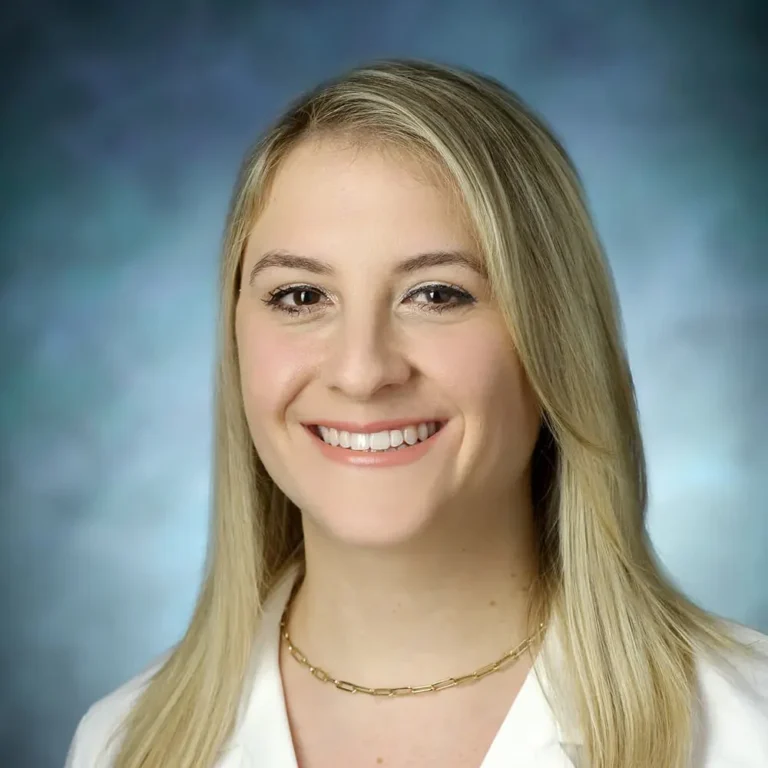







April marks Esophageal Cancer Awareness Month, a pivotal time to draw national attention to a disease that has historically remained one of oncology’s most stubborn challenges. Despite advancements in surgical techniques and traditional chemotherapy, esophageal cancer remains a condition characterized by high recurrence rates and complex biological behaviors. However, a new frontier in precision medicine is emerging. Dr. Valsamo (Elsa) Anagnostou, Professor of Oncology at the Johns Hopkins School of Medicine and a Torrey Coast Foundation CRI CLIP Investigator, is leading a paradigm shift, moving away from static cancer diagnosis toward a model of dynamic, real-time monitoring.
Main Facts: The Urgent Need for Precision
Esophageal cancer is biologically heterogeneous, meaning it does not present the same genetic profile in every patient. This diversity is the primary hurdle in determining which therapeutic interventions will be effective. Current standard-of-care diagnostics often rely on "snapshots"—single-point-in-time tissue biopsies that fail to capture the evolutionary nature of a tumor as it adapts to treatment.
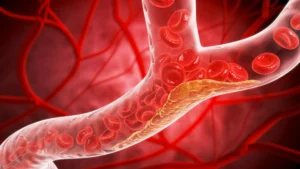
The core of Dr. Anagnostou’s research involves "liquid biopsies," a minimally invasive procedure that analyzes circulating tumor DNA (ctDNA) shed by dying cancer cells into the bloodstream. By integrating experimental biology with advanced computational data science, her lab seeks to map the evolutionary trajectory of tumors, providing physicians with a high-resolution view of how cancer cells mutate and survive under the pressure of immunotherapy.
Chronology of Clinical Evolution
The journey toward this new standard of care has been a multi-year progression of scientific discovery:
- Pre-2020: The traditional approach to esophageal cancer relied heavily on histology and imaging. While surgery and adjuvant chemotherapy remained the gold standard for curative intent, the "hidden" biology of microscopic residual disease led to high rates of recurrence, often within 24 months for stage 2 and 3 patients.
- 2020–2023: The integration of immunotherapy began to gain traction in the perioperative setting. Researchers observed that while immunotherapy offered significant benefits for a subset of patients, the lack of biomarkers made it difficult to predict which patients would respond.
- 2024–Present: The focus shifted toward "multi-omic" integration. Dr. Anagnostou’s team began correlating ctDNA clearance with surgical outcomes. Their recent clinical studies demonstrated that patients whose ctDNA cleared prior to surgery showed significantly improved survival rates compared to those with detectable residual ctDNA. This discovery established the liquid biopsy as a critical prognostic indicator, surpassing the limitations of traditional pathology.
Supporting Data: The Power of Molecular Insights
The data emerging from Dr. Anagnostou’s research provides a compelling argument for the adoption of liquid biopsies in standard clinical practice. In a recent study conducted by her team, the presence of circulating tumor DNA served as a highly sensitive marker for disease recurrence.
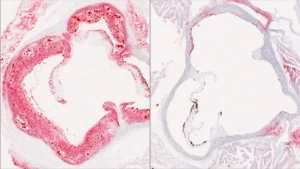
For many patients, standard imaging might indicate that a tumor has been successfully removed; however, the molecular evidence provided by a liquid biopsy can reveal residual disease that is otherwise invisible. By analyzing the "molecular signature" of these DNA fragments, clinicians can now distinguish between patients who appear similar on a standard slide but have vastly different biological risks. This granular data allows for the refinement of treatment strategies, enabling physicians to potentially escalate or de-escalate therapy based on the patient’s real-time molecular feedback.
Official Responses and Scientific Perspective
Dr. Anagnostou emphasizes that the current landscape is one of cautious optimism. "To truly understand response and resistance, we need a holistic view—one that integrates genetic, molecular, and cellular data to uncover what is driving each patient’s disease," she notes.
Her research, funded by the Cancer Research Institute (CRI), highlights that resistance to therapy is not a single event but a complex interaction of genetic mutations and changes in the tumor microenvironment. By identifying the biomarkers associated with this resistance, researchers are not only optimizing current immunotherapies but are also identifying new therapeutic targets that were previously obscured by the "moving target" nature of cancer.
The medical community views these developments as a vital bridge between laboratory research and bedside care. The ability to monitor treatment response in real time is, according to many oncologists, the "holy grail" of oncology, as it allows for the shift from a reactive treatment model to a proactive, adaptive one.

Implications for the Future of Cancer Care
The implications of these advancements are profound. If the medical field adopts this model of continuous, molecular-based monitoring, the treatment of esophageal cancer could undergo three fundamental shifts:
1. The Death of the "One-Size-Fits-All" Approach
By matching a patient’s unique tumor biology with a tailored therapeutic regimen, clinicians can minimize unnecessary toxicities for patients unlikely to respond to standard immunotherapy, while simultaneously fast-tracking more aggressive or alternative treatments for those who need them.
2. Real-Time Intervention
Rather than waiting for a scan to reveal a tumor has returned, liquid biopsies allow for the detection of "minimal residual disease" (MRD) months before it becomes clinically apparent. This window of opportunity is critical; treating cancer while the tumor burden is microscopic provides a vastly higher chance of achieving a permanent cure.
3. The "Multi-Omic" Paradigm
The future of oncology lies in the integration of diverse data sets. By combining genetics, proteomics, and cellular imaging, researchers like Dr. Anagnostou are constructing a "digital twin" of the patient’s disease. This allows for a longitudinal view of how the cancer behaves, changes, and potentially dies.
Conclusion: A New Horizon
As we move through Esophageal Cancer Awareness Month, the narrative surrounding this disease is changing. It is no longer viewed merely as a battle of attrition between the surgeon’s knife and the cancer cell. Instead, it is becoming a highly sophisticated, data-driven game of chess.
The progress highlighted by the work at the Johns Hopkins School of Medicine underscores a vital truth: the more we understand the biology of how tumors evolve, the better we can outmaneuver them. With the advent of liquid biopsies and the integration of immunotherapy into earlier stages of treatment, the oncology community is closer than ever to transforming esophageal cancer from a high-mortality diagnosis into a manageable—and potentially curable—condition.
"I’m very encouraged by the advances in immunotherapy for early-stage gastroesophageal cancer," Dr. Anagnostou concludes. "As we deepen our understanding of how tumors respond and resist treatment, and continue advancing liquid biopsy technologies, I’m hopeful we can better optimize care and improve outcomes for patients."
The road ahead remains complex, but for patients and their families, the convergence of technology and biological insight offers something that has been in short supply for decades: a clear, measurable path forward. The era of the "static snapshot" is ending, replaced by a dynamic, personalized future that promises to turn the tide against one of the most challenging diseases of our time.