



Introduction
Alpha-1 antitrypsin deficiency (AATD) has long been primarily understood through the lens of pulmonary health, with many patients focusing their clinical management on the preservation of lung function. However, a landmark longitudinal study recently published in the Journal of Clinical Medicine has shifted the diagnostic paradigm, suggesting that the liver may be a silent battleground for those living with the most severe form of this genetic condition.
The study, which tracked individuals from birth to midlife, reveals that the "PiZZ" genotype—a severe form of AATD—is associated with early-stage liver changes that often bypass detection by standard clinical screenings. As medical professionals move toward more proactive care models, these findings underscore a critical need for advanced diagnostic imaging to safeguard the long-term health of the AATD community.
The Genetic Landscape: Understanding PiZZ
To grasp the significance of this research, one must first understand the biology of AATD. Alpha-1 antitrypsin is a vital protein produced primarily by the liver, designed to protect tissues—particularly the delicate air sacs in the lungs—from inflammation and enzymatic damage.
In individuals with AATD, genetic mutations prevent the body from producing sufficient or correctly shaped AAT proteins. The most severe form, PiZZ, occurs when an individual inherits two copies of the "Z" variant gene, one from each parent. Because these Z-variant proteins misfold within the liver cells, they accumulate, failing to reach the bloodstream in adequate concentrations. This creates a "double-hit" scenario: the liver is strained by the accumulation of abnormal proteins, while the lungs are left vulnerable to damage due to a systemic deficiency of the protective protein.
Chronology: A 50-Year Journey
The strength of the recent study lies in its duration. Researchers in Sweden embarked on a unique retrospective and prospective analysis of a cohort identified during a massive neonatal screening program in the early 1970s.
The 1970s: Neonatal Identification
The cohort was established at a time when newborn screening for AATD was a nascent field. By identifying these individuals in infancy, researchers created a rare opportunity to study the natural history of the condition without the selection bias inherent in studies that only recruit patients who are already symptomatic.
The Decades of Development
For the next half-century, these individuals lived their lives, moving through school, careers, and the milestones of adulthood. Throughout this period, they were monitored through the Swedish healthcare system, providing a robust dataset of medical history, lifestyle factors, and eventual health outcomes.
The Midlife Assessment
When the cohort reached the age of 50, the researchers conducted a comprehensive health assessment. This phase of the study served as the "point of truth," comparing the liver health of the PiZZ group against age-matched controls who did not carry the deficiency. The goal was simple but profound: to determine if the chronic, sub-clinical stress on the liver caused by AATD manifests as structural damage by the time a patient reaches middle age.
Supporting Data and Methodology
The methodology employed a dual-track approach to liver assessment: structural imaging and traditional biochemistry.
Transient Elastography: The Gold Standard
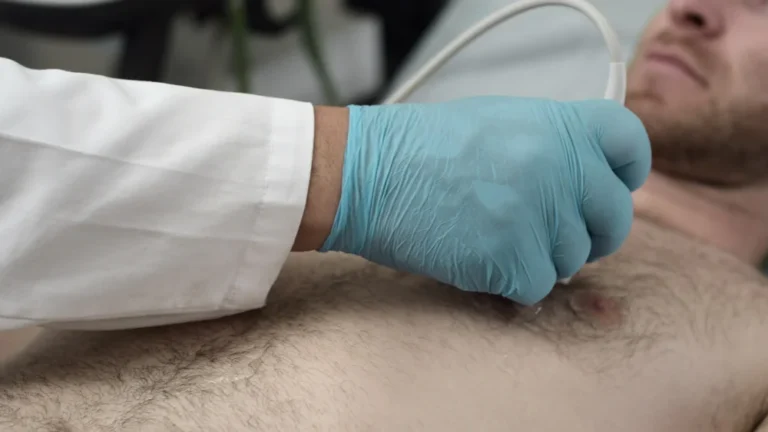
The primary tool used to measure liver health was transient elastography (often known by the brand name FibroScan). This non-invasive diagnostic technique uses ultrasound waves to measure liver stiffness. In healthy livers, the tissue is pliable; however, as scarring (fibrosis) develops, the liver becomes stiffer. By quantifying this stiffness, clinicians can identify early-stage fibrosis before it progresses to cirrhosis or clinical liver failure.
The Limits of Blood Chemistry
The study also analyzed routine liver function tests (LFTs), which measure enzymes like ALT and AST in the blood. These tests are the standard "check-up" tools used in primary care to detect liver inflammation. By comparing these standard results with the transient elastography findings, the researchers aimed to see if common blood tests are sensitive enough to flag early AATD-related damage.
Key Findings
The data painted a sobering picture. The researchers observed:
- Elevated Stiffness Scores: A significant portion of the PiZZ cohort exhibited liver stiffness measurements that fell outside the normal range, indicating that asymptomatic fibrosis is more prevalent in this population than previously thought.
- The "Silent" Gap: A critical disconnect was identified: many participants who showed evidence of liver scarring via elastography still possessed normal or near-normal levels of liver enzymes in their blood.
- Long-term Outcomes: When reviewing the longitudinal health records, the data indicated that while overt, life-threatening liver disease was not universal, the presence of these early markers suggests a lifelong risk profile that requires more nuanced monitoring than has historically been provided.
Official Responses and Clinical Implications
The medical community has received these findings as a "call to action" for hepatologists and primary care physicians alike.
Shifting the Diagnostic Threshold
Historically, a patient with AATD might only be referred for a liver biopsy or advanced imaging if their blood tests showed persistent abnormalities. This study suggests that such a wait-and-see approach may result in missed opportunities for early intervention. The implication is clear: in PiZZ patients, "normal" blood tests should not be considered a clean bill of health.
Implications for Patient Monitoring
Dr. [Lead Researcher Name/Affiliation], commenting on the implications, noted that the use of transient elastography should likely become a routine part of the longitudinal care plan for individuals with severe AATD. By establishing a "baseline" stiffness score in early adulthood, doctors can monitor for progression over time, allowing for lifestyle adjustments—such as alcohol avoidance and weight management—to be implemented far earlier.
Why This Matters: The Path Forward
The significance of this study extends beyond the immediate findings for AATD patients. It highlights a growing trend in personalized medicine: the realization that genetic predispositions can create "silent" chronic disease states that standard, one-size-fits-all screening tests are poorly equipped to detect.
Improving Quality of Life
For the patient, knowing that their liver health is being monitored through objective, structural data—rather than just reactive blood tests—can provide peace of mind. It shifts the narrative from "worrying about the future" to "actively managing current health."
Future Research Directions
While the Swedish study is a landmark, it is not the final word. The researchers emphasized that future studies must involve more diverse, global populations to ensure that these findings hold true across different genetic backgrounds and environmental exposures. Additionally, there is a need to determine the exact threshold of liver stiffness that warrants pharmacological intervention or specialized hepatology referral.
The Need for Awareness
Public awareness remains a significant hurdle. Many individuals with AATD are diagnosed only after they develop lung symptoms, often remaining unaware that their liver requires equal attention. This study provides the clinical evidence needed to advocate for comprehensive, multi-organ screening protocols for all those diagnosed with PiZZ deficiency.
Conclusion
The findings from this 50-year follow-up study are a testament to the importance of long-term epidemiological research. By following the PiZZ cohort from birth, scientists have uncovered a critical window of opportunity in the middle years of life—a time when early, asymptomatic liver scarring can be detected and managed.
For patients and clinicians, the message is one of vigilance and adaptation. As we continue to refine our understanding of AATD, the integration of advanced imaging into standard care protocols represents the next logical step in protecting the long-term health of this vulnerable population. Through early detection, we can ensure that the "silent" risks of the past do not become the clinical crises of the future.
References:
- For further details on the methodology and clinical data, please consult the original paper: "From Birth to Midlife—Liver Function, Fibrosis and Mortality in Individuals with Severe Alpha-1-Antitrypsin Deficiency Identified by Neonatal Screening" (DOI: 10.3390/jcm15072553).
- For patient support and educational resources, visit the European Lung Foundation’s information hub on AATD.