











For millions of patients and their families, a cancer diagnosis marks the beginning of an overwhelming journey defined by medical terminology, complex treatment pathways, and life-altering decisions. Among the most significant—and often misunderstood—concepts in modern oncology is the "clinical trial."
While often perceived as a medical mystery or a desperate "last resort," clinical trials are, in reality, the engines of progress in cancer research. Every therapeutic intervention currently categorized as the "standard of care" was, at one point, an experimental concept tested through the rigorous framework of a clinical trial. By participating, patients gain access to pioneering therapies while contributing to the collective knowledge that shapes the future of oncology.
The Foundation: What Are Clinical Trials?
At their core, cancer clinical trials are meticulously designed research studies intended to answer specific scientific questions. These studies aim to prevent the onset of cancer, improve the accuracy of early detection, develop more effective treatment modalities, or enhance the quality of life for those undergoing therapy.
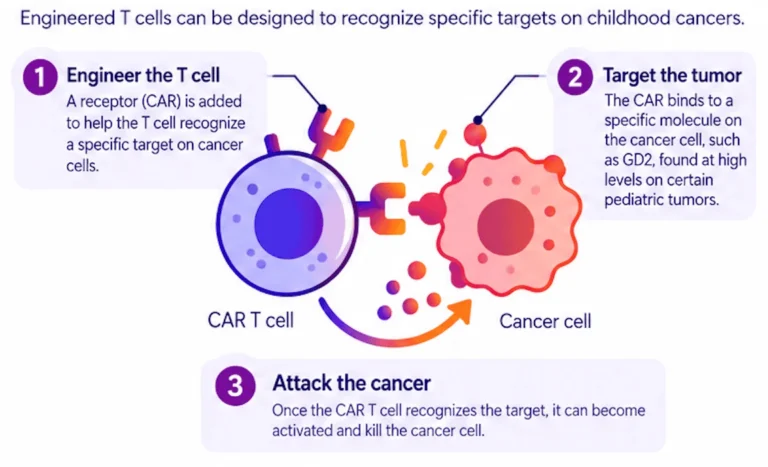
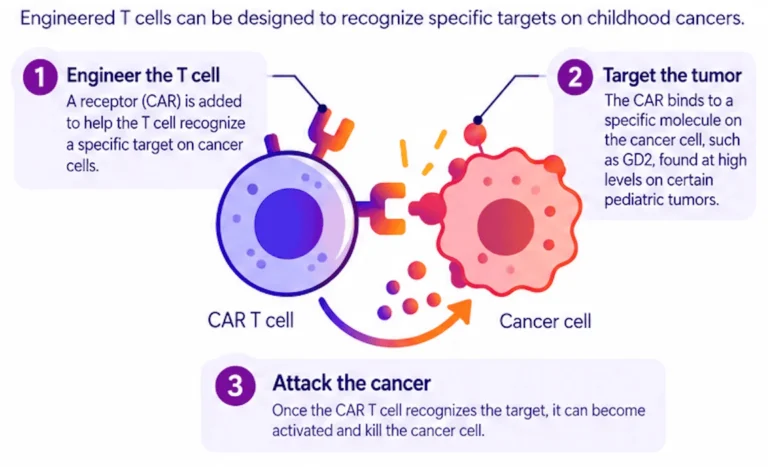
The scope of these trials is vast. While some investigate novel pharmaceutical interventions—such as the burgeoning field of immunotherapy, which trains the body’s own immune system to recognize and destroy cancer cells—others focus on refining surgical techniques, radiation protocols, or supportive care strategies aimed at mitigating the debilitating side effects of traditional treatments.
The Evolution of Medical Innovation
Medical history is written through the success of clinical trials. Decades of research have transformed once-fatal diagnoses into manageable conditions. For instance, the shift from aggressive, broad-spectrum chemotherapy to targeted molecular therapies and checkpoint inhibitors represents the cumulative result of thousands of patients volunteering for clinical studies. Without these volunteers, the rapid acceleration of cancer care—moving from generalized approaches to precision, personalized medicine—would remain an impossible dream.

A Chronology of the Clinical Trial Journey
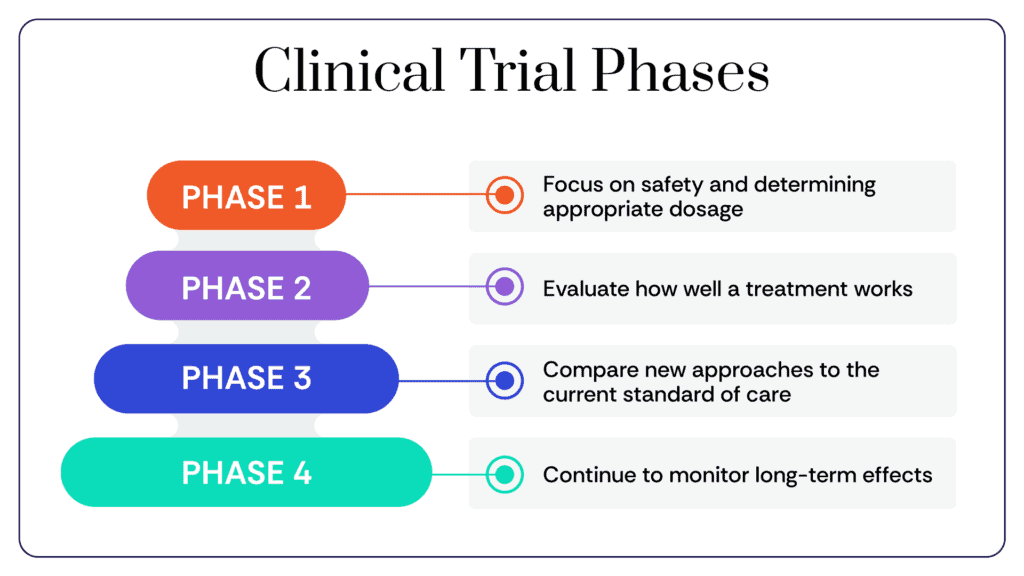
Understanding the clinical trial process requires viewing it as a structured progression. Before a treatment reaches the public, it must pass through a series of phases, each designed to ensure the safety and efficacy of the intervention.
Phase I: Safety First
The primary objective of a Phase I trial is to determine the highest dose of a new treatment that can be administered safely without causing severe side effects. Researchers closely monitor a small group of patients, typically those for whom standard therapies have been exhausted, to identify dosage, administration methods, and early signs of efficacy.
Phase II: Measuring Efficacy
Once a safe dosage range is established, Phase II trials expand to a larger cohort. Here, the focus shifts toward measuring how well the treatment works against specific types of cancer. Researchers track tumor response rates, progression-free survival, and patient-reported outcomes to determine if the treatment shows enough promise to warrant further testing.
Phase III: The Gold Standard
Phase III trials are the definitive test. These large-scale, often multicenter, randomized studies compare the new treatment against the current "gold standard." By comparing results across hundreds or even thousands of participants, researchers can definitively state whether the new approach offers a superior benefit-risk profile.
Phase IV: Long-Term Monitoring
After a treatment receives regulatory approval (such as FDA approval), Phase IV trials continue to monitor the therapy’s performance in the general population. This allows researchers to identify rare side effects or long-term benefits that were not evident during the initial study phases.

The Human Element: Why Participation Matters
The decision to join a clinical trial is deeply personal, often driven by a combination of the desire for cutting-edge treatment and the altruistic urge to "pay it forward."
Kristin Kleinhofer, a stage 4 leukemia survivor, reflects on her journey: "I began to look at clinical trials, and it wasn’t only that I was fighting for my life, but I really wanted to pay it forward, help cancer research, and help other cancer patients, even if it wasn’t going to work for me."
Access to Specialized Care
Patients enrolled in clinical trials receive an unparalleled level of oversight. They are cared for by multidisciplinary teams of oncologists, nurses, and researchers who provide frequent monitoring and intensive support. This level of medical attention can be a significant advantage, particularly for patients with complex or rare cancer subtypes.
Contributing to the Future
Every participant acts as a vital data point. Even if a specific trial does not produce the desired outcome for an individual, the data gleaned from their experience provides the necessary insight to adjust future protocols, ultimately benefiting future generations of cancer patients. As Sharon Belvin, a stage 4 melanoma survivor, notes, "Clinical trials are the lifeline for long-term survival rates. There is no other way to move this field forward."
Dispelling the "Last Resort" Myth
One of the most persistent barriers to clinical trial participation is the misconception that they are only for patients who have run out of options. This is a significant misunderstanding.

Modern clinical trials are designed for various stages of the disease. In some instances, a patient might be eligible for a trial as a first-line treatment if research suggests the new therapy is more effective or less toxic than the current standard. Discussing clinical trial options early in the diagnostic process—rather than waiting until traditional treatments fail—allows patients to keep their options open and potentially access advanced therapies sooner.
Practical Considerations: Navigating the Process
Entering a clinical trial is a significant commitment. Patients must weigh several practical factors, including:
- Eligibility Criteria: Not every trial is a fit for every patient. Studies have strict inclusion and exclusion criteria based on genetic markers, previous treatments, and overall physical health. These criteria are designed to ensure patient safety and the integrity of the scientific data.
- Time and Travel: Participation often requires frequent clinic visits, blood draws, and diagnostic imaging. It is essential for patients to evaluate whether the travel requirements are sustainable given their current health and support system.
- Financial Implications: While the trial sponsor typically covers the cost of the experimental treatment and associated research procedures, routine care—such as standard doctor visits or imaging—may still fall under the patient’s health insurance. Patients are encouraged to work closely with their care team and financial counselors to clarify coverage before committing.
Support Services and Navigators
No patient should navigate this complex landscape in isolation. Organizations such as the Cancer Research Institute (CRI) provide resources like the Clinical Trial Finder, which helps patients identify trials tailored to their specific diagnosis. These tools serve as a bridge, demystifying the search process and connecting patients with potentially life-saving research.
Empowering the Patient-Doctor Dialogue
The most effective way to determine if a clinical trial is the right path is through an open, informed conversation with your oncology team. Bringing a structured list of questions to your appointment can transform a daunting subject into an actionable plan.
10 Essential Questions for Your Oncology Team
- Are there any clinical trials that might be right for me? (Ask based on your specific biomarkers and stage).
- What is the goal of this clinical trial? (Is it to test a new drug, a combination therapy, or to improve quality of life?)
- How does this trial compare to my current standard of care?
- What are the potential benefits of participating?
- What are the known and unknown risks?
- What phase is this trial in? (Phase I, II, or III?)
- What is the time commitment? (How many visits, tests, or travel days?)
- What happens if the treatment is ineffective? (Can I withdraw from the study?)
- How are costs managed? (What is covered by the sponsor vs. my insurance?)
- How will this impact my daily quality of life?
Implications: A Path Toward Possibility
The landscape of cancer treatment is in a constant state of flux, driven by the data collected in clinical trials. As we move toward an era of personalized oncology, the importance of these studies only grows.
For many, a clinical trial represents more than just a medical intervention; it represents hope. It is a commitment to the belief that the future of cancer care is being built today, one patient and one study at a time. Whether you choose to participate or not, the process of investigating these options is an act of empowerment. It ensures that you are fully informed of every possible avenue, allowing you to make decisions that align with your personal goals, your health needs, and your vision for the future.
By asking the right questions and seeking the right support, you move from being a passive recipient of care to an active participant in your own health journey. In the world of cancer research, a single question can open the door to a new reality—a reality where tomorrow’s breakthroughs are available to you, today.