











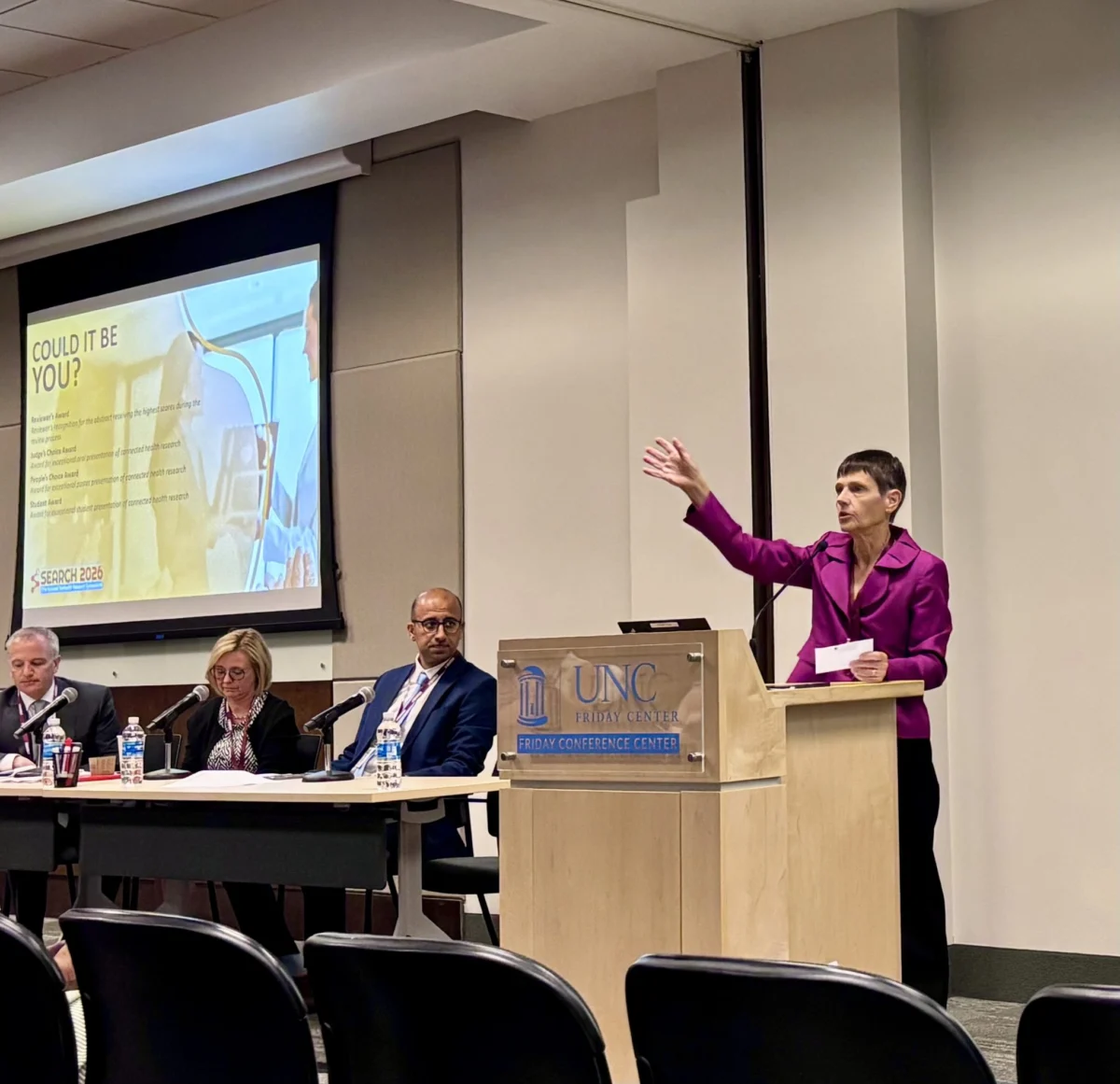
The landscape of modern medicine is undergoing a profound transformation, moving away from reactive, episodic care toward a proactive, continuous, and data-driven model. This shift was the focal point of the Society for Education and the Advancement of Research in Connected Health (SEARCH) 2026 National Telehealth Research Symposium. As the conference convened on June 1, 2026, the overarching message was clear: the future of telehealth is no longer about the novelty of video visits, but about the rigor of evidence-based, equitable, and sustainable digital health integration.
The Evolution of the "Learning Ecosystem"
Opening the symposium, SEARCH President Dr. Elizabeth Krupinski framed the event not merely as a scientific conference, but as a "learning ecosystem." In an era where digital health tools—ranging from artificial intelligence (AI) diagnostic assistants to sophisticated remote patient monitoring (RPM) platforms—are proliferating, the need for rigorous research has never been higher.
Dr. Krupinski emphasized that the true measure of connected health success lies in its ability to improve long-term patient outcomes. The conference agenda, featuring over 80 presentations, spans the breadth of the current digital health revolution. Topics range from the intricacies of implementation science to the ethical deployment of AI in clinical workflows. By bringing together researchers, clinicians, and health system administrators, SEARCH 2026 aims to bridge the gap between technological possibility and clinical reality.
Chronology of the Symposium: June 1–2, 2026
The symposium’s initial days established a narrative of transition—moving from the "emergency response" phase of telehealth that dominated the early 2020s to a phase of strategic, evidence-based integration.
- June 1: The Opening Call to Action: The symposium commenced with a focus on infrastructure. Key sessions highlighted that for connected health to be equitable, it must be designed with underserved populations in mind, ensuring that broadband access and digital literacy do not become the new determinants of health inequality.
- June 2: The Keynote on Behavioral Sustainability: The second day shifted focus to the human element of technology. Dr. Bonnie Spring delivered a landmark keynote address, "Digitally Connected, Integrated Telehealth Coaching to Help Cancer Survivors Change Multiple Risk Behaviors: The STELLAR Trial." This session served as a bridge between high-tech intervention and the low-tech, time-tested principles of behavioral psychology.
The STELLAR Trial: A Blueprint for Cancer Survivorship
One of the most compelling aspects of the 2026 symposium was the deep dive into the STELLAR trial, led by Dr. Bonnie Spring, PhD, ABPP. The research addresses a critical gap in oncology: the post-treatment phase. While cancer survivors are at heightened risk for secondary health issues related to sedentary behavior, poor diet, and tobacco use, oncologists often lack the time and resources to provide comprehensive lifestyle counseling during the intense post-treatment monitoring period.
Bridging the Clinical Gap
Dr. Spring’s research posits that the burden of lifestyle intervention should not rest solely on the shoulders of the overburdened oncologist. The STELLAR program leverages telehealth-delivered behavioral coaching, moving these essential services outside the clinic walls. By decoupling behavioral support from the physical clinic, the program creates a "closed-loop" system where patients receive consistent, evidence-based coaching without disrupting the clinical workflow.
The Workforce Innovation Model
A key finding of the STELLAR trial is the viability of a tiered workforce model. To address the scalability and cost-efficiency concerns that plague many digital health startups, the research team utilized bachelor-level health coaches under the supervision of specialized clinicians. This approach demonstrates that high-quality, evidence-based behavioral intervention can be scaled sustainably, provided the implementation strategy is sound.
Data and Supporting Evidence: The Economics of Prevention
A significant portion of the SEARCH 2026 discourse centered on the economic paradox of preventative care. While the clinical benefits of healthy lifestyle changes are indisputable, the financial incentives within the current U.S. healthcare framework are often misaligned.
The "Payer Churn" Challenge
As noted in the symposium, private health insurance—which covered approximately 65.4% of Americans as of 2023—often operates on short-term horizons. Because private payers experience high member turnover (churn) every few years, they are often hesitant to invest in long-term preventative health measures where the "return on investment" (in the form of avoided chronic disease costs) might not be realized for a decade or more.
The Role of Implementation Science
Dr. Spring and other presenters argued that for digital health to succeed, it must be integrated into automated workflows. The research presented suggests that success is not found in the software itself, but in the "wraparound" services:
- Automated Referrals: Ensuring that patients at risk are automatically flagged for coaching.
- Closed-Loop Communication: Ensuring that data from remote coaches flows back into the patient’s primary electronic health record (EHR).
- Data Analytics: Using longitudinal data to prove the efficacy of interventions to health systems and payers alike.
Implications for the Future of Connected Health
The SEARCH 2026 symposium highlighted three major implications for the future of the industry.
1. The Shift to "Value-Based" Telehealth
The era of "telehealth as a specialty" is ending. The future is "telehealth as a standard utility." To survive this transition, digital health interventions must demonstrate value beyond simple convenience. They must prove that they can reduce readmission rates, manage chronic conditions, and lower the total cost of care.
2. Behavioral Principles as the Foundation
As Dr. Spring famously remarked during her keynote, "The technology changes rapidly, but the human behavior change principles remain the foundation." This serves as a cautionary tale for developers: the most sophisticated AI algorithm will fail if it does not account for the psychological and social realities of the human patient.
3. Scalability through Integration
The most successful digital health programs of the coming decade will be those that prioritize integration over isolation. Programs that require patients to use "siloed" apps that do not communicate with the broader health system will likely face high attrition rates. The future lies in interoperable systems that allow clinicians to see the "full picture" of a patient’s health, whether they are in the clinic or at home.
Official Perspectives and Expert Consensus
The consensus among the leadership at SEARCH is that the "pilot phase" of digital health is largely over. The symposium showcased a mature industry that is beginning to tackle the "last mile" problems of healthcare: sustainability, reimbursement, and systemic integration.
Experts at the conference noted that while technological innovation is essential, the "evidence-based" component is the true barrier to entry for widespread adoption. Health systems are increasingly risk-averse; they require peer-reviewed, longitudinal evidence before committing to large-scale deployments of new connected health tools. The research presented at SEARCH 2026—specifically the work regarding the STELLAR trial—provides exactly the kind of robust, methodology-driven data that stakeholders require to justify long-term investments in digital health.
Conclusion: The Path Forward
As SEARCH 2026 continues, the trajectory of the conversation points toward a future where "connected health" is simply "health." The barriers between physical and virtual care are dissolving. However, as the symposium has made clear, this progress must be managed with extreme care.
The focus on evidence-based practice ensures that we do not trade quality for efficiency. The focus on equity ensures that the digital divide does not further widen health disparities. And finally, the focus on behavioral science ensures that we continue to prioritize the patient, even as we embrace the tools of the future.
The symposium serves as a vital reminder: technology is the vehicle, but evidence and human-centered design remain the map. For researchers, clinicians, and policy makers, the work of the next decade is clear: building a sustainable, connected, and truly effective healthcare ecosystem that serves the patient for a lifetime.