











As we navigate the decades beyond 60, the metrics of health begin to shift. While cardiovascular endurance and muscular strength remain vital, there is one often-overlooked pillar of physical well-being that serves as the ultimate insurance policy against the hazards of aging: balance. According to the Centers for Disease Control and Prevention (CDC), the statistics are sobering—roughly one million older adults are hospitalized annually due to fall-related injuries.
In a world obsessed with high-intensity interval training and marathon running, balance exercises are frequently relegated to the sidelines. However, for those over 65, maintaining stability is not just a fitness goal; it is a fundamental requirement for independence. To understand how we can fortify our bodies against the risks of gravity, we spoke with Cara Bonney, a Master Instructor for Club Pilates, who outlines why stability training must become a non-negotiable part of your daily routine.
The High Stakes of Stability: Understanding the Risks
The physical decline that occurs with age—often characterized by a loss of muscle mass (sarcopenia), decreased bone density, and a degradation of proprioception (our body’s ability to sense its position in space)—creates a perfect storm for accidental injury.
"Poor balance is something you don’t want to experience in your 60s," explains Bonney. "It is easy to prioritize other workouts over stability, but staying steady on your own two feet is what reduces your risk of life-altering injuries."
When the body becomes less active, the stabilizing muscles around the ankles, knees, and hips begin to atrophy. Coupled with age-related changes in depth perception and visual acuity, a simple stumble can escalate quickly. From a sprained ankle or bruised knee to the more catastrophic outcomes like hip fractures or traumatic brain injuries, the implications of a fall go far beyond physical pain—they often signal a loss of autonomy.
Expert Insight: Why Pilates Offers a Superior Pathway
While activities like Tai Chi are widely recognized for their balance-enhancing benefits, many fitness experts suggest that targeted Pilates-based movements can provide a more comprehensive foundation for stability.
"For anyone who is looking for more than an at-home morning routine, Reformer Footwork is a game changer," says Bonney. "It works all of the lower body muscles in squat and calf-raise positions while the abdominal muscles work to stabilize the back. It is a safe, controlled way to build strength and endurance in the exact muscle groups used for walking."
Bonney also highlights the importance of side-lying leg series, which target the hip abductors—the muscles that stabilize the pelvis while we move. Strengthening these muscles, especially when supplemented with the resistance of a Pilates Reformer, provides a protective buffer for the joints as we age.
The Morning Protocol: Five Essential Movements
To combat the degradation of balance, Bonney recommends a specific, five-step morning routine that can be performed in the comfort of your own home. Consistency is the key; performing these movements daily trains the nervous system to react more effectively to shifts in center of gravity.
1. Heel Raises
Calf strength is the unsung hero of stability. Strengthening the gastrocnemius and soleus muscles allows for a more stable gait and improved posture.
- The Technique: Stand tall, holding onto a chair for support if needed. Slowly rise onto the balls of your feet, hold for a count of two, and lower back down with control.
- Why it works: It mimics the propulsion phase of walking, ensuring your lower leg muscles are primed to handle your body weight during every step you take.
2. Toe Raises
While heel raises focus on the back of the leg, toe raises target the anterior tibialis—the muscle responsible for lifting the foot.
- The Technique: Standing tall, keep your heels planted firmly on the floor and lift your toes toward your shins. Engage your core to ensure your torso remains upright.
- Why it works: This movement is crucial for preventing "foot drop" and tripping over uneven surfaces, such as rugs or door thresholds.
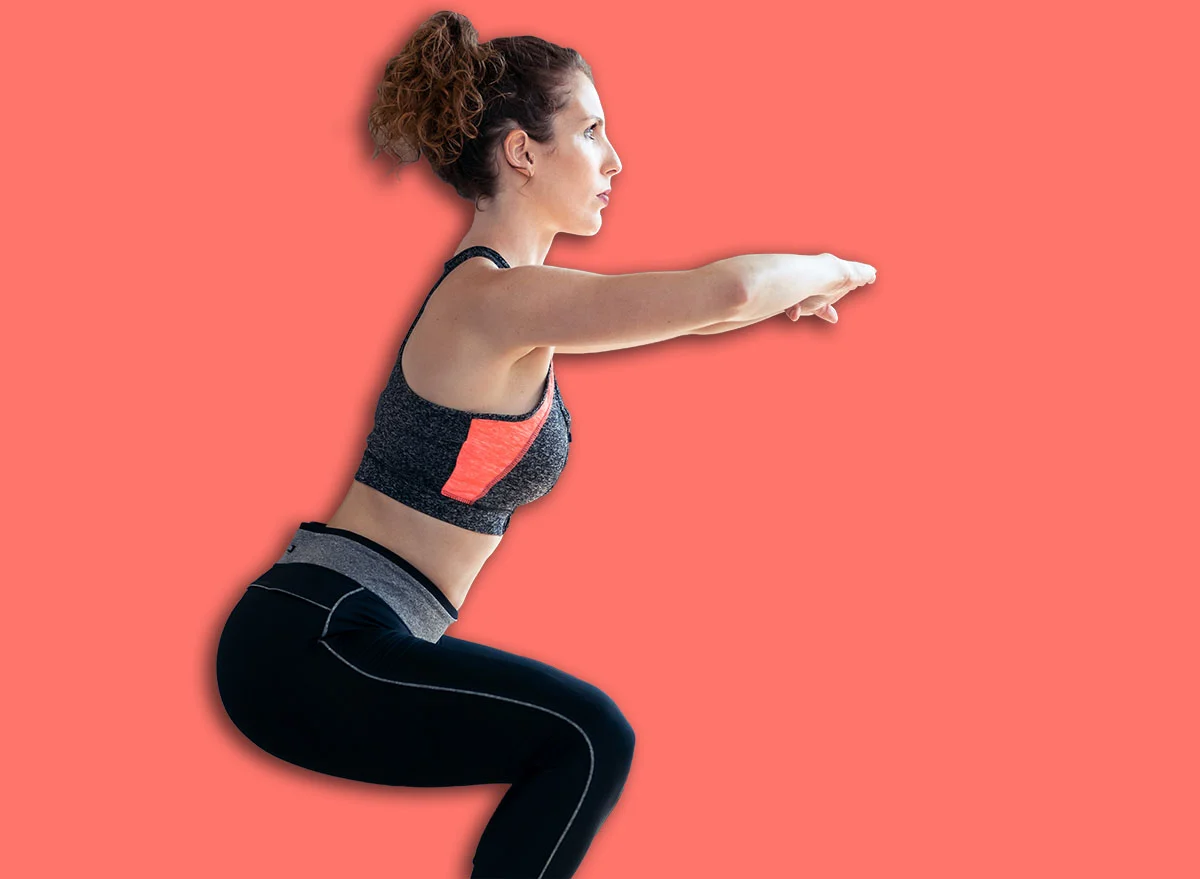
3. Bodyweight Squats
Squats are the "king" of functional movements, translating directly to the ability to stand up from a chair or navigate a staircase.
- The Technique: With feet hip-width apart, hinge at the hips as if sitting back into an invisible chair. Keep your chest up and weight in your heels.
- Why it works: This engages the quadriceps, hamstrings, and glutes—the primary stabilizers of the hip and knee joints.
4. Single-Leg Stand
This is perhaps the most effective diagnostic and training tool for balance.
- The Technique: While standing near a counter for safety, lift one foot slightly off the ground. Attempt to hold the position for 30 seconds.
- Why it works: This forces the stabilizer muscles of the standing leg to fire rapidly, improving your neuromuscular response to instability.
5. Side Leg Lifts
Strong hips are essential for lateral stability, which is often where falls occur during sudden changes in direction.
- The Technique: Stand tall and slowly lift one leg out to the side, keeping the torso perfectly vertical. Avoid leaning away from the working leg.
- Why it works: It strengthens the gluteus medius, the muscle responsible for keeping your pelvis level when you are balancing on one foot.
The Physiological Implications of Aging
The science of aging suggests that we do not have to accept a decline in physical capability as inevitable. While the biological clock continues to tick, the "use it or lose it" principle remains the golden rule of gerontology.
Research indicates that even modest increases in daily physical activity can stimulate protein synthesis in muscles, even in those over 70. By integrating these five movements into your morning, you are doing more than just "working out"—you are performing neuro-muscular maintenance. You are sending signals to your brain to maintain coordination and signals to your muscles to maintain the capacity for load-bearing.
Transitioning to Advanced Training
Once you have mastered these basic movements, Bonney encourages individuals to seek out professional environments like a Pilates studio to further enhance their results.
"On the Reformer, we can add spring resistance to these exercises, which makes the muscles even stronger," Bonney explains. "When we protect the hip and knees through increased strength, we are essentially building a suit of armor against the wear and tear of time."
A Call to Action for Longevity
The goal of this routine is not to build bulky muscle, but to create "functional stability." Every moment you spend practicing your balance in your 60s, 70s, and 80s is an investment in your future autonomy.
If you are just beginning, start slowly. Utilize the support of a sturdy chair or countertop, and ensure your environment is clear of hazards. As your confidence grows, reduce your reliance on support. The objective is to make your body as resilient as possible, ensuring that when life throws a curveball—a slick floor, an uneven sidewalk, or a sudden gust of wind—your body has the strength and the reactive capacity to keep you upright.
In the final analysis, balance is the invisible bridge between an active, independent life and the loss of physical freedom. By dedicating just ten minutes each morning to these movements, you are not just exercising; you are reclaiming your stability and securing your future.