






By Isabella Cueto and Emory Parker
Updated June 11, 2026
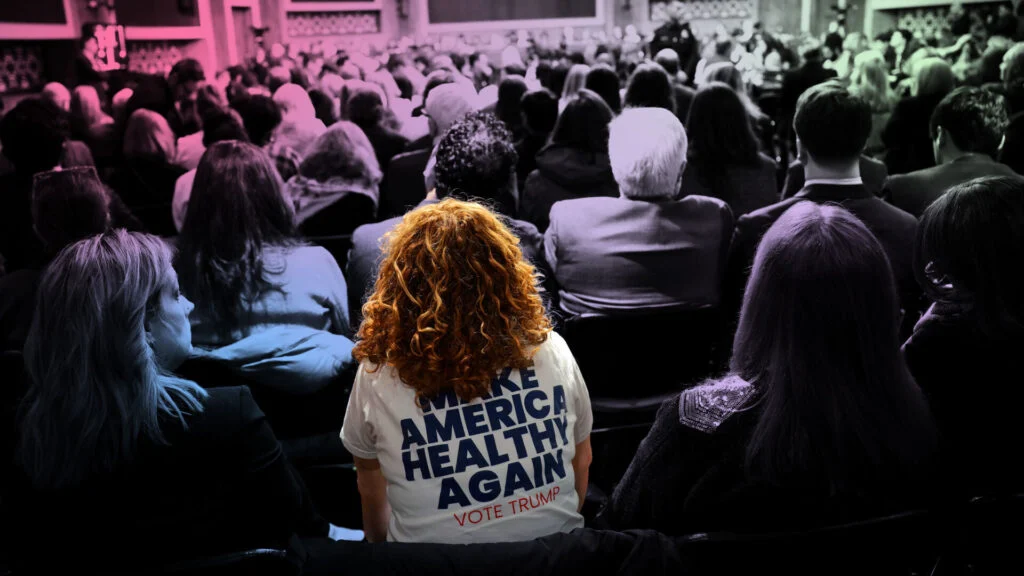
WASHINGTON — When Robert F. Kennedy Jr. ascended to the pinnacle of the U.S. health apparatus, he did so on the back of a singular, galvanizing slogan: "Make America Healthy Again" (MAHA). More than a year into his tenure as the nation’s top health official, the architect of this movement has moved from the fringes of the medical conversation to the center of federal execution.
As of mid-2026, the administration’s health agenda stands at a critical juncture. For supporters, Kennedy represents a long-overdue housecleaning of bureaucratic inertia and corporate capture. For detractors, his policies represent a dangerous departure from evidence-based medicine. Regardless of the ideological lens, the reality on the ground is a complex tapestry of aggressive policy shifts, stalled legislative goals, and profound, lingering questions about the future of American public health.
The MAHA Mandate: A Chronology of Change
The trajectory of Kennedy’s tenure can be categorized into three distinct phases: the "Spring of Disruption," the "Summer of Stagnation," and the "Autumn of Implementation."
Phase I: The Disruption (Early 2025)
Upon confirmation, Kennedy moved with unprecedented speed. His first hundred days were marked by a series of executive directives aimed at purging what he termed the "entrenched interests" of the Department of Health and Human Services (HHS). He successfully pushed for the immediate reassessment of the FDA’s approval processes, arguing that the revolving door between the agency and the pharmaceutical industry had compromised public safety.
Phase II: The Stagnation (Mid-2025)
By mid-year, the initial momentum hit the reality of Washington’s legislative machinery. Proposals to overhaul the National Institutes of Health (NIH) and reallocate vast swaths of funding toward "preventative and lifestyle-based interventions" met with stiff resistance from both sides of the aisle. The "MAHA" agenda, which relies heavily on shifting the focus from pharmaceutical management of disease to nutritional and environmental reform, struggled to find a foothold in the budget reconciliation process.

Phase III: The Implementation (Late 2025–2026)
Following the midterm political shifts, Kennedy pivoted. Recognizing that sweeping legislative change was unlikely, he began utilizing the agency’s existing regulatory power to its fullest extent. This included aggressive new labeling requirements for food additives, the tightening of standards for environmental toxins, and a controversial restructuring of federal vaccine advisory committees.
Supporting Data: The Metrics of Health Reform
To evaluate the success of the "Make America Healthy Again" initiative, one must look at the data points that Kennedy himself champions.
The Food Additive War
Kennedy’s most tangible legislative "win" has been the implementation of the "Clean Label Initiative." According to internal data from the Department of Agriculture and the FDA, over 400 food additives previously classified as "Generally Recognized as Safe" (GRAS) have been placed under mandatory re-review.
- Impact: Early projections suggest that the removal of synthetic dyes and specific preservatives could impact roughly 18% of the processed food market by 2027.
- The Counter-Data: Industry trade groups have countered with studies suggesting that these sudden regulatory shifts could lead to a 12–15% increase in grocery prices, as companies rush to reformulate products and secure "natural" supply chains.
Vaccine Skepticism and Public Health Outcomes
Perhaps the most polarizing aspect of Kennedy’s tenure is his approach to vaccines. Kennedy has not mandated the cessation of vaccination programs, but he has significantly altered the messaging and the financial incentives for vaccine development.
- The Shift: By stripping certain liability protections for vaccine manufacturers—a move that remains tied up in litigation—Kennedy has forced a market recalibration.
- The Data Gap: While vaccination rates for childhood diseases have remained relatively stable in urban centers, longitudinal data from rural health departments shows a 7% decline in voluntary uptake for non-mandatory vaccines. Public health officials are now closely monitoring whether this trend will correlate with outbreaks of preventable illnesses in the coming flu season.
Official Responses and the "Unprecedented" Defense
In the face of mounting criticism from the medical establishment and academic institutions, Kennedy has remained defiant. Responding to a journalist’s query regarding his progress on X this past Wednesday, Kennedy stated: "All one needs to prove the health secretary’s attentiveness is to review my unprecedented list of accomplishments on a wide range of issues, all of which I drove."
The View from the Hill
Congressional leaders remain divided. Sen. [Name], a staunch supporter, argues that Kennedy has done more in 14 months to highlight the "chronic disease epidemic" than his predecessors did in two decades. "He has shifted the Overton window," the Senator noted in a recent subcommittee hearing.

Conversely, the American Medical Association (AMA) has issued a series of blistering reports questioning the scientific rigor of Kennedy’s initiatives. In a formal statement released last month, the AMA noted, "The current administration’s preference for anecdotal evidence over peer-reviewed, double-blind trials poses an existential risk to the integrity of the American medical system."
Implications: The Long-Term Health of the Nation
The long-term implications of the "Make America Healthy Again" era are profound and will likely be debated for years.
The Institutional Erosion
The most significant impact may be the erosion of trust in federal institutions. By framing agencies like the FDA and the CDC as "captured" entities, Kennedy has successfully mobilized a base of supporters who are inherently suspicious of government-led health initiatives. While this has empowered a grassroots health movement, it has also created a vacuum of authority. When a public health crisis occurs, the ability of federal officials to issue guidance that is universally respected is currently at an all-time low.
The Shift Toward Lifestyle Medicine
One cannot ignore the positive shift in national conversation regarding nutrition and exercise. Regardless of one’s opinion of Kennedy’s methods, his relentless focus on the correlation between diet, environmental toxins, and chronic disease has brought these topics to the forefront of the American dinner table. Whether this leads to actual improvements in national health metrics—such as obesity rates, diabetes prevalence, or heart disease—remains the ultimate, yet unproven, metric of his success.
Economic Consequences
The economic transformation of the healthcare industry is underway. The pharmaceutical sector is currently engaged in a massive lobbying effort to blunt the impact of Kennedy’s regulatory shifts. Meanwhile, the emerging "holistic health" sector is seeing record-breaking venture capital investment. This represents a significant realignment of capital, suggesting that Wall Street is betting on a future where preventative and alternative health products take a larger share of the consumer dollar.
Conclusion: A Work in Progress
As the administration looks toward the final stretch of its term, Robert F. Kennedy Jr.’s record remains, as he suggests, "unprecedented," but it is also undeniably unfinished.

He has succeeded in making "MAHA" a household name and a central pillar of the national political discourse. He has forced the hand of a stagnant regulatory system and initiated a conversation about the American diet that is long overdue. However, he has also left the nation’s scientific infrastructure fractured and its public health guidance in a state of flux.
The true legacy of this period will not be found in the speeches or the social media posts. It will be found in the health outcomes of the next generation. As the data continues to roll in, the nation waits to see whether this "Make America Healthy Again" experiment will be remembered as the beginning of a preventative health revolution or a cautionary tale of institutional dismantling.
For now, the policy directives remain in motion, the lawsuits continue to pile up in federal courts, and the American public remains a captive audience to the most radical experiment in public health policy in the modern era. Whether this leads to a healthier populace or a more divided one is the question that will define the next chapter of American medicine.