











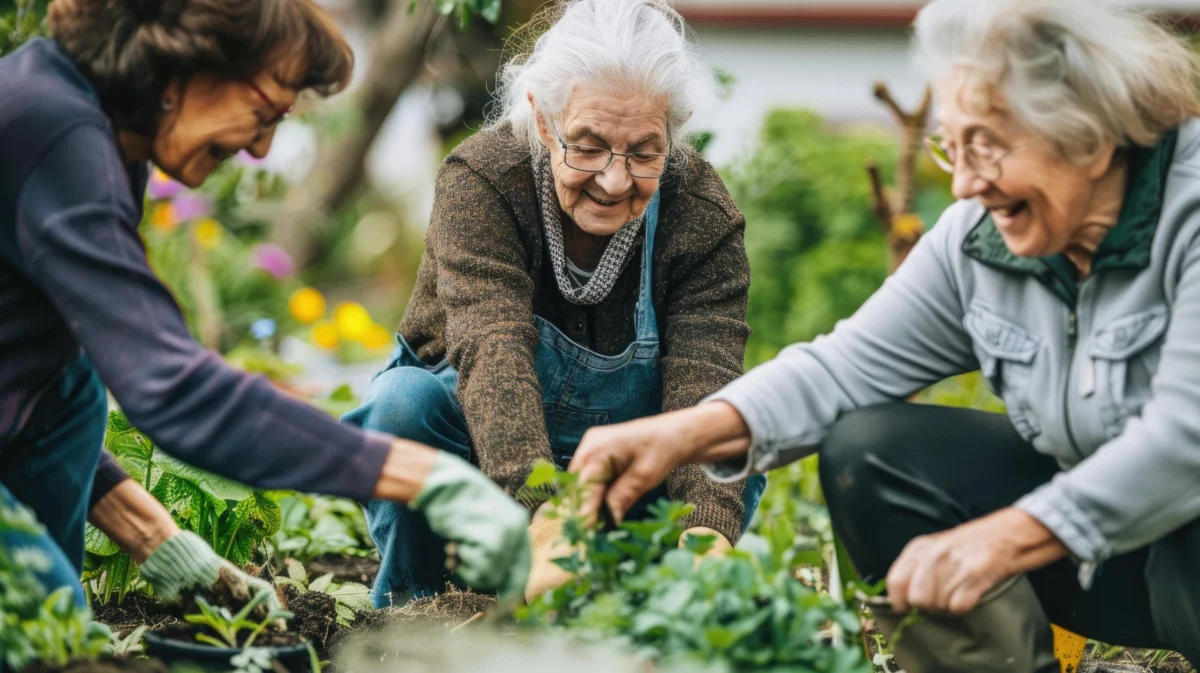
The nostalgia of Earth Day often transports us back to elementary school classrooms, where we learned the basics of photosynthesis, participated in tree-planting ceremonies, or walked along neighborhood streets with trash bags in hand. In those formative years, these activities instilled a sense of agency—a belief that we were small heroes capable of making a tangible impact on our planet.
As we age, however, the significance of these rituals does not diminish; rather, it evolves. New research suggests that the simple act of engaging with the natural world—specifically through gardening—offers profound physiological, psychological, and social benefits for older adults. As we celebrate Earth Day this April, it is time to reconsider our relationship with the soil as a cornerstone of healthy, purposeful aging.
The Intersection of Horticulture and Occupational Therapy
In the landscape of modern medicine, Occupational Therapy (OT) focuses on the "occupations"—the meaningful daily activities—that define our lives. April is designated as Occupational Therapy Month, serving as a reminder that health is not merely the absence of disease, but the presence of engagement and purpose.
A landmark study published in the American Journal of Occupational Therapy (AJOT) has provided scientific weight to what many green-thumbed seniors have known intuitively for years: gardening is a potent therapeutic tool. The study, which utilized a case series design to monitor four residents at a transitional housing facility, examined the effects of a structured 5-week gardening group therapy program.
The findings were clear: gardening serves as a vital "avenue for hope and self-fulfillment." By participating in the communal act of nurturing living things, participants reported significant improvements in their mental health, social participation, and overall life satisfaction.
Chronology: From Seedling to Sustained Well-Being
To understand the transformative power of gardening, one must look at the progression of the therapeutic intervention described in the AJOT study. The 5-week trajectory of the participants offers a blueprint for how nature-based interventions can be integrated into residential care.
- Week 1: The Initial Connection. The study began with basic orientation. Participants were introduced to the physical space and the materials. For many, this phase was about overcoming the initial barrier of "starting"—a critical step for those who may have felt detached from their environment.
- Weeks 2-3: The Habit of Nurturing. As the weeks progressed, the routine of watering, pruning, and checking for growth provided a sense of structure. This phase allowed participants to shift their focus from internal struggles to the external needs of their plants.
- Weeks 4-5: Reaping the Rewards. By the final weeks, the tangible results of their labor—blooming flowers or edible produce—began to manifest. This success fostered a sense of accomplishment, reinforcing the participants’ identities as capable, contributing members of a community.
This chronology illustrates that the benefits of gardening are cumulative. It is not just the act of planting that heals; it is the sustained relationship with the garden that builds resilience and hope.
Supporting Data: Why Nature Heals
The evidence supporting nature-based therapy is growing across various disciplines. When we analyze the components of gardening, we see a multi-faceted approach to wellness that addresses the specific needs of the aging population.
Mental Health and Social Connectivity
Loneliness and social isolation are significant predictors of poor health outcomes in older adults. Community gardening acts as a natural "social lubricant." Unlike structured medical interventions that can feel clinical or impersonal, a garden provides a neutral ground for conversation. Intellectual engagement—discussing soil pH, plant varieties, or weather patterns—stimulates cognitive function while simultaneously reducing the symptoms of anxiety and depression.
Physiological Benefits: The "Sneaky" Workout
One of the most effective aspects of gardening is its "sneaky" physical activity. Older adults are often encouraged to exercise, but traditional gym settings can be intimidating or inaccessible. Gardening provides a low-impact alternative:
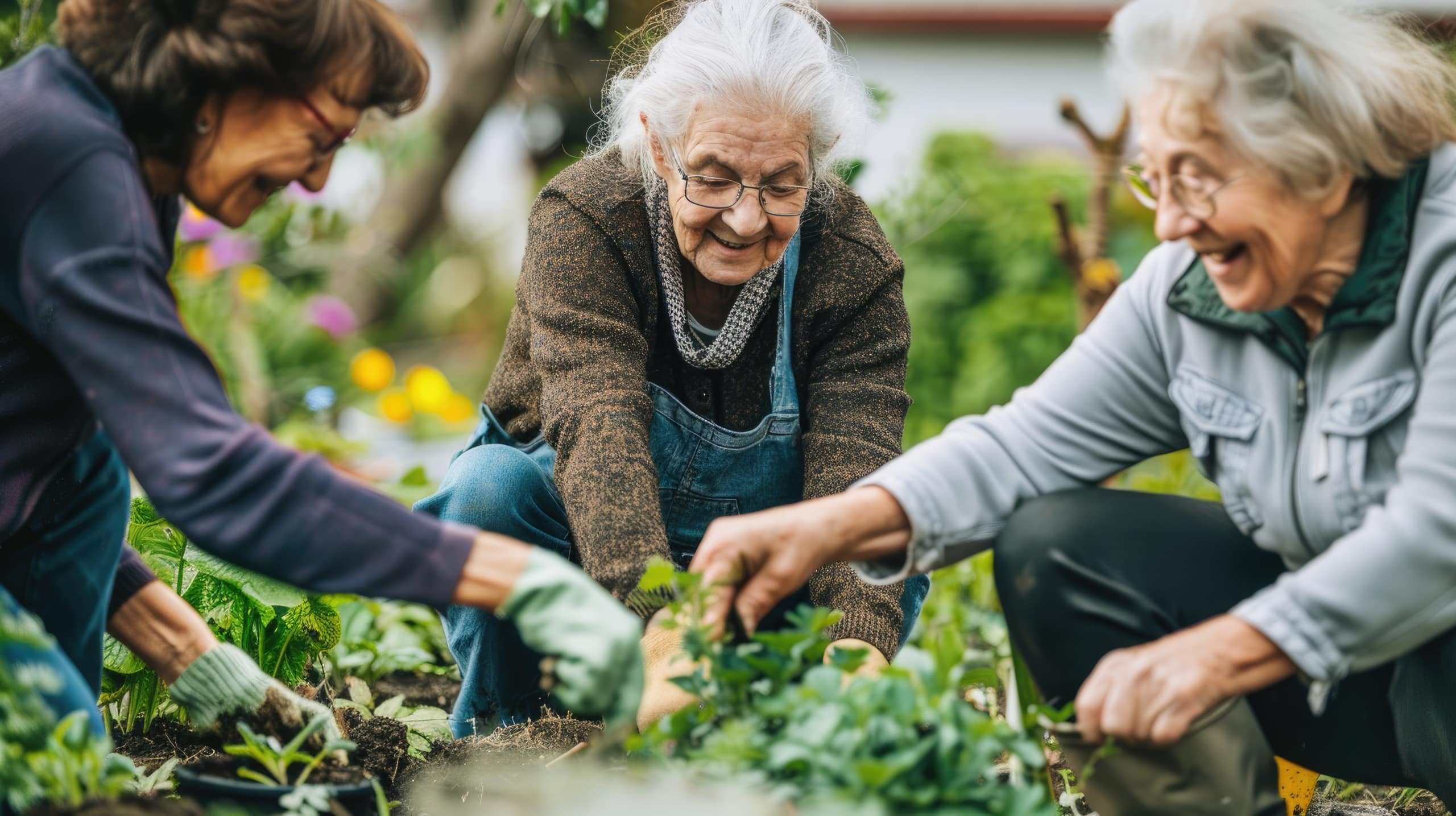
- Fine Motor Skills: The delicate task of handling seeds, using a hand trowel, and deadheading flowers requires dexterity and coordination.
- Resistance Training: Working with potting mix and heavy pots provides gentle resistance training, which is essential for maintaining bone density and muscle strength.
- Vitamin D Absorption: Exposure to natural sunlight is the most effective way for the body to synthesize Vitamin D, which is critical for bone health and immune system regulation.
Nutritional Advantages
When the garden yields vegetables or herbs, the benefits extend to the dinner table. Fresh, preservative-free produce provides nutrient-dense sustenance that is often superior to store-bought alternatives. For many seniors, consuming food they have grown themselves provides a unique sense of pride and a direct boost to their immune health.
Official Perspectives: The Value of Occupational Therapy
The professional community is increasingly recognizing that "meaningful occupation" is a clinical necessity. According to health professionals within the field of Occupational Therapy, the goal is to help individuals regain or maintain the ability to perform activities that define their sense of self.
"When we talk about healthy aging, we are really talking about maintaining the ability to interact with our environment in a way that feels rewarding," says Katie Riley, Vice President of Communications for the Alliance for Aging Research. "Gardening isn’t just a hobby; it is a way to stay connected to the cycles of life. It provides a sense of purpose that is often lost during the transition into assisted living or retirement."
The AJOT study emphasizes that these programs don’t need to be expensive or high-tech. They require space, basic tools, and, most importantly, the professional guidance of an occupational therapist who can adapt the environment to ensure the activity is safe and achievable for participants with varying levels of physical ability.
Implications for Future Care and Policy
The implications of this research for senior living facilities and public policy are significant. If gardening can provide such profound improvements in hope and well-being, it should move from a "peripheral activity" to a "core service" in geriatric care.
Rethinking Residential Design
Architects and facility planners should prioritize the integration of accessible, raised-bed gardens in all transitional and assisted living housing. These spaces must be designed with universal accessibility in mind, ensuring that those with limited mobility can still participate in the joy of cultivation.
Integrating Nature into Medical Prescriptions
There is a growing movement toward "social prescribing," where doctors prescribe non-medical activities to improve health outcomes. Including gardening in this model could reduce the reliance on pharmaceuticals for treating mild depression and social isolation in the elderly.
A Call to Action this Earth Day
As we approach April 22, the message is clear: nature is a resource we cannot afford to neglect. Whether you are in your 70s, 80s, or 90s, the benefits of stepping outside are immediate.
- Start Small: You don’t need a sprawling acre. A single pot of basil on a windowsill or a small planter box on a balcony is enough to begin.
- Prioritize Safety: Always utilize proper tools, ensure your workspace is stable, and stay hydrated. For those concerned about physical limitations, the National Institute on Aging provides excellent resources on safe outdoor recreation.
- Engage the Community: Seek out local gardening clubs or community plots. The social aspect of gardening is just as important as the physical activity.
Conclusion: The Everlasting Bloom
The elementary school lessons of Earth Day—that we are stewards of the Earth—remain relevant throughout our entire lives. However, the perspective shifts as we age. We learn that while we care for the garden, the garden, in return, cares for us. It stabilizes our moods, strengthens our hands, connects us with our neighbors, and reminds us that there is always something new to nurture.
This spring, let us move beyond the symbolic acts of childhood and embrace the deep, therapeutic potential of the soil. Whether you are pulling a stubborn weed, snipping fresh herbs for a meal, or simply sitting in the garden to watch the flowers unfold, you are engaging in an act of profound self-care. As the research confirms, the path to healthy aging may just be found in the garden.