









Main Facts: A Convergence of Youth Advocacy and Policy
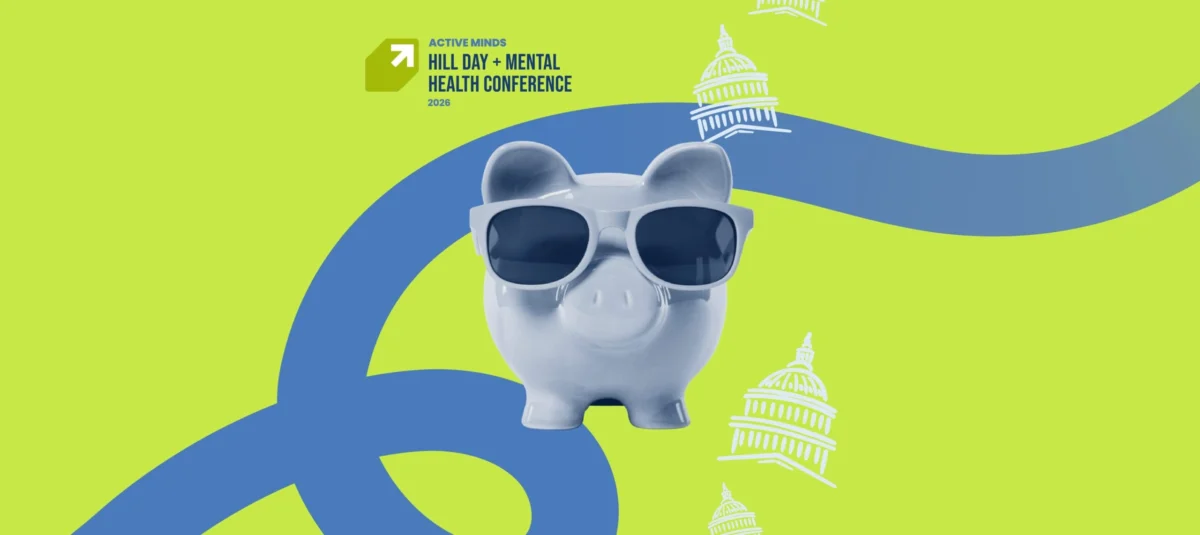
The landscape of collegiate mental health is approaching a pivotal moment as preparations begin for the Active Minds Hill Day + Mental Health Conference 2026. Recognized as one of the premier gatherings for youth mental health advocacy in the United States, the event serves a dual purpose: providing professional development for student leaders and facilitating direct legislative engagement on Capitol Hill.
Active Minds, the nation’s leading nonprofit organization promoting mental health awareness and education for young adults, has designed the 2026 conference to be a "catalyst for systemic change." However, for many students—the very demographic the organization seeks to empower—the primary barrier to entry is not a lack of passion, but a lack of liquid capital. With registration fees, travel expenses, and lodging in high-demand urban centers, the cost of attendance can be a significant hurdle.
To address this, Active Minds and educational consultants have identified several institutional and community-based funding streams. These resources are designed to ensure that financial status does not dictate who gets a seat at the table when mental health policy is being discussed at the federal level.
Chronology: The Evolution of Student-Led Mental Health Advocacy
To understand the significance of the 2026 conference, one must look at the trajectory of the movement. Active Minds was founded in 2003 by Alison Malmon following the tragic loss of her brother, Brian, to suicide. What began as a single chapter at the University of Pennsylvania has grown into a network of over 600 chapters across high schools and college campuses.
- 2003–2010: The Foundation Phase. Active Minds focused on peer-to-peer education and breaking the stigma associated with mental illness on campus.
- 2011–2018: Expansion and Professionalization. The annual conference became a staple for student leaders, evolving from a simple meeting of chapters into a comprehensive professional development event.
- 2019–2024: The Legislative Pivot. Recognizing that cultural change must be met with policy change, the organization integrated "Hill Day" into its programming. This allowed students to move from campus awareness to direct lobbying, advocating for bills such as the Mental Health Services for Students Act.
- 2025–2026: The New Era of Mobilization. The 2026 conference is set to be the largest to date, emphasizing the intersectionality of mental health with racial equity, LGBTQ+ rights, and economic justice.
As the scope of the conference has expanded, so too has the necessity for robust funding strategies to ensure diverse representation from students across all socioeconomic backgrounds.
Supporting Data: The Economic and Academic Case for Attendance
The demand for mental health support on campuses is at an all-time high. According to the 2023-2024 Healthy Minds Study, which surveyed over 100,000 students, roughly 41% of college students reported symptoms of depression, and 36% reported anxiety disorders. Furthermore, 14% of students reported having seriously considered suicide in the past year.
In this context, attending a conference like Active Minds is not merely an extracurricular activity; it is a form of "high-impact educational practice" (HIP). Data from the Association of American Colleges and Universities (AAC&U) suggests that students who participate in leadership conferences and advocacy work show:
- Higher Retention Rates: Students engaged in campus organizations are more likely to persist to graduation.
- Enhanced Career Readiness: Conference attendance develops "soft skills" such as public speaking, networking, and policy analysis.
- Community Impact: For every one student who attends the Active Minds conference, an average of 300 peers on their home campus benefit from the knowledge and programming brought back.
The financial "ask" for students is typically between $800 and $1,500, depending on travel distance. When framed against the $30,000+ average annual cost of tuition, this investment represents a fraction of the total educational spend but offers a disproportionately high return on professional networking.
Official Responses and Strategic Funding Recommendations
Education administrators and Active Minds leadership emphasize that "the money exists, but it requires a roadmap to find it." To assist students in bridging the financial gap, four primary strategies have been vetted by financial aid advisors and student government leaders.
1. Utilizing Mandatory Student Activity Fees
Most institutions of higher education charge a "Student Activity Fee" or "Co-curricular Fee" as part of the standard tuition bill. These funds, often totaling millions of dollars at large state universities, are earmarked specifically for student-led initiatives.
"Students often view their tuition as a monolithic expense, but it is actually a collection of dedicated funds," says a representative from the Dean of Students’ office. "The Student Activity Fund is effectively the students’ own money, managed by their peers in the Student Government Association (SGA). Requests for conference funding are one of the most common and supported uses of these dollars."
To access these funds, students must typically:
- Submit a formal budget proposal.
- Provide a "learning outcomes" document.
- Present their request to a student senate or finance committee.
2. Tapping Academic Departmental Budgets
Academic departments—such as Psychology, Social Work, Public Health, and Sociology—often maintain discretionary budgets for "Professional Development." Because the Active Minds Hill Day intersects with various curricula, it qualifies as an off-campus learning experience.
Faculty advisors suggest that students frame their request around the "vocational relevance" of the conference. For a Public Health major, the Hill Day provides a practical look at legislative health policy. For a Social Work major, it offers insight into community-based intervention strategies. A simple, formal email to a Department Chair can often unlock "mini-grants" ranging from $200 to $500.
3. Leveraging the Power of the Active Minds Chapter Network
The organization offers a 20% registration discount for groups of five or more. This incentivizes students to coordinate their efforts. Established Active Minds chapters often have their own internal budgets granted by the university.
If a campus lacks an official chapter, students are encouraged to approach "Wellbeing Clubs" or "Peer Health Educators." By co-sponsoring a trip, multiple organizations can pool their resources, making the travel costs more manageable for each individual.
4. Community Crowdfunding and Corporate Sponsorship
In the digital age, personal narratives have significant fundraising power. Platforms such as GoFundMe or even LinkedIn can be used to solicit small donations from a wide network.
Furthermore, local businesses—particularly those that prioritize corporate social responsibility (CSR)—are often willing to sponsor a student advocate. A local therapist’s office, a wellness center, or even a community bank may see the value in sponsoring a "future leader" from their own zip code. The key, according to successful fundraisers, is a "heartfelt pitch" that explains the specific impact the student hopes to have on their return.
Implications: The Long-Term Impact of Student Presence in DC
The implications of successfully funding student attendance at the 2026 conference extend far beyond the individual. When hundreds of students descend on Capitol Hill, it changes the political calculus for lawmakers.
Legislative Influence
Policy experts note that "constituent stories" are the most effective tool in a lobbyist’s arsenal. When a student speaks to a Senator about the lack of mental health counselors at their rural community college, it carries more weight than a white paper from a think tank. The 2026 conference aims to push for increased federal funding for the Garrett Lee Smith Memorial Act, the only federal program dedicated to campus suicide prevention.
The "Multiplier Effect" on Campus
The knowledge transfer that occurs after the conference is vital. Students return to their campuses equipped with evidence-based programs, such as "Send Silence Packing" or "V-A-R" (Validate, Appreciate, Refer). This creates a safer, more informed campus culture that can proactively address mental health crises before they escalate.
Professional Pipeline
Finally, the conference acts as a pipeline for the next generation of mental health professionals. By providing students—particularly those from marginalized backgrounds—the means to attend, the field of mental health advocacy becomes more diverse and representative of the general population.
Conclusion: A Call to Action for 2026
The Active Minds Hill Day + Mental Health Conference 2026 represents a unique intersection of education, advocacy, and personal growth. While the financial requirements are real, they are not insurmountable. Through a combination of institutional navigation, departmental support, and community engagement, students can secure the resources necessary to participate in this transformative experience.
As the mental health crisis among young adults continues to evolve, the voices of students are more critical than ever. The resources are available; the roadmap is clear. The only remaining step is for the next generation of advocates to claim their place at the table.
For those seeking to begin their funding journey or to register for the event, detailed information and advocacy toolkits are available at activeminds.org/conference.