







In the ongoing battle against neurodegenerative diseases, medical science is increasingly looking toward unconventional frontiers. While pharmacological interventions remain a cornerstone of treatment, researchers are turning their attention to the potent, often overlooked, power of the human olfactory system. This month, in a landmark episode of the Caregiving Club On Air podcast (Season 6, Episode 66), host Sherri Snelling sits down with renowned neuroscientist Dr. Michael Leon to explore how the simple act of breathing in specific scents could be a game-changer for cognitive longevity and Alzheimer’s prevention.

The Science of Scent: A New Frontier in Neuroscience
For decades, the prevailing view of the human brain focused heavily on visual and auditory processing. However, recent breakthroughs in neurobiology have highlighted the unique, direct connection between the olfactory bulb—the brain’s smell-processing center—and the limbic system, which governs emotion and memory.

Dr. Michael Leon, Professor Emeritus at the University of California at Irvine (UCI) and a leading authority on brain disorders ranging from autism to Alzheimer’s, has spent years investigating this pathway. His research posits that because the sense of smell is the only sense with a direct "highway" to the brain’s memory centers, it serves as a powerful, untapped mechanism for cognitive stimulation.

"When we talk about brain health, we are often talking about neuroplasticity—the brain’s ability to form new connections," Dr. Leon explains. "By strategically stimulating the olfactory system, we can effectively ‘exercise’ the brain, potentially slowing the decline associated with aging and neurodegenerative conditions."

Chronology of Discovery: From Lab Bench to Living Room
The journey toward scent-based cognitive therapy did not happen overnight. The path from fundamental neuroscience research to practical, home-based applications follows a trajectory of rigorous discovery:

- Initial Findings: Researchers observed that the olfactory bulb begins to show signs of atrophy early in the progression of Alzheimer’s disease. This led to the hypothesis that the sense of smell could act as an "early warning system."
- The Scent-Training Breakthrough: Dr. Leon’s team conducted pivotal studies demonstrating that sensory enrichment—specifically through regular, varied exposure to scents—could fundamentally alter the brain’s architecture. In one landmark study, participants who underwent consistent scent-training protocols saw a 226% increase in memory and cognitive performance.
- Translating Research into Reality: Recognizing that complex laboratory protocols were inaccessible to the average caregiver, Dr. Leon collaborated to create Memory Air. This wellness device represents the intersection of "NeuroDesign" and home health, allowing individuals to incorporate therapeutic scent exposure into their daily sleep and rest routines without clinical intervention.
Supporting Data: Why Olfactory Stimulation Matters
The implications of Dr. Leon’s work are supported by a growing body of evidence surrounding brain health and sensory experience. The Caregiving Club has long championed the "5 Senses" approach to wellness, a methodology detailed in Sherri Snelling’s book, ME TIME MONDAY.

The data surrounding brain health is clear: chronic inflammation and oxidative stress are the primary drivers of cognitive aging. By engaging the senses, individuals can foster an environment that mitigates these stressors.

- Neuroplasticity: Engaging the senses creates new neural pathways. Just as physical exercise strengthens muscles, sensory-rich environments strengthen the brain’s resilience against disease.
- The Sleep Connection: Deep, restorative sleep is critical for the brain’s "glymphatic system"—the process by which the brain cleanses itself of metabolic waste, including the proteins associated with Alzheimer’s. Dr. Leon’s work highlights specific scent profiles that promote deep sleep, thereby enhancing the brain’s ability to clear toxins overnight.
Official Perspectives: The Rise of Well Home Design
The intersection of neuroscience and interior design, often termed "NeuroDesign" or "Well Home Design," is gaining traction in both medical and architectural communities. The concept is simple: our environments influence our biological state.

According to Dr. Leon, Memory Air is not merely a fragrance diffuser; it is a therapeutic tool designed to harmonize with the human circadian rhythm. By utilizing specific olfactory triggers during sleep, the device helps regulate the sleep-wake cycle, providing the brain with the optimal conditions for recovery.

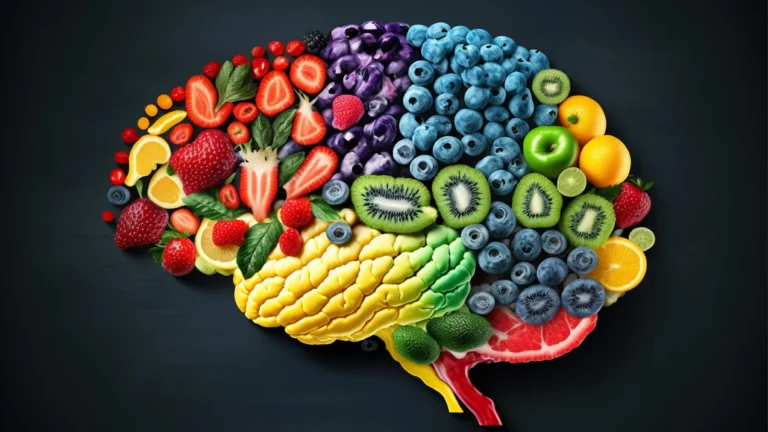
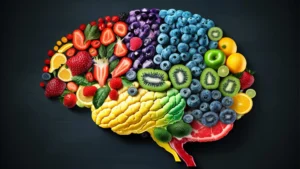
This approach aligns with broader public health efforts, such as the MIND Diet—a nutritional regimen that combines elements of the Mediterranean and DASH diets to reduce the risk of dementia. By pairing dietary changes (like increasing intake of leafy greens and berries) with sensory-based environmental changes, individuals can adopt a holistic strategy for brain longevity.

Implications for Caregivers and the "Sandwich Generation"
For the millions of Americans acting as primary caregivers, the findings presented by Dr. Leon offer a glimmer of hope and a practical toolkit. Often, caregivers for those with dementia or Alzheimer’s feel helpless as they watch their loved ones decline. However, simple, non-invasive interventions like scent-training can provide a sense of agency.

"Caregiving is exhausting, both physically and emotionally," says Sherri Snelling. "Our mission at the Caregiving Club is to provide ‘Self-Care in 7 Minutes’ solutions. Integrating scent into a daily routine is one of the most accessible, low-effort, high-impact strategies we have found to improve not only the life of the person receiving care but also the caregiver themselves."

The shift in how we approach caregiving—moving from a model of reactive treatment to proactive, sensory-based wellness—is essential. As the global population ages, the demand for non-pharmacological, evidence-based tools will continue to rise.

Reaching New Heights: The "Caregiving Club On Air" Success
The relevance of these topics is reflected in the success of the Caregiving Club On Air podcast. Recently, the podcast reached the #3 spot among the top 80 caregiving podcasts, as ranked by Feedspot. This milestone reflects a growing hunger for actionable, expert-led advice on navigating the complexities of eldercare and personal wellness.

The podcast serves as a hub for this information, bridging the gap between high-level clinical research and the daily realities of family caregivers. From deep dives into the MIND Diet to the science of "digital detoxing" and music therapy, the platform continues to provide a comprehensive roadmap for those navigating the "Sandwich Generation" experience—simultaneously caring for aging parents and growing children.

A Call to Action: Enhancing Brain Health Today
As we observe Brain Health Awareness Week and Sleep Awareness Week this March, the message is clear: cognitive health is a lifelong project. Whether through adopting the MIND Diet, practicing sensory enrichment, or simply taking seven minutes a day for intentional self-care, there are actionable steps available to everyone.

For those interested in learning more, the Caregiving Club offers a library of resources, including:

- Infographics on the 5 Senses of Brain Health and Sleep.
- "Self-Care in 7 Minutes" video series, covering everything from digital detoxing to brain-healthy nutrition.
- Educational content on NeuroDesign, helping families create living spaces that actively support cognitive function.
The integration of scent into our wellness routines, as championed by Dr. Michael Leon, is more than just a trend—it is a testament to the fact that we have the power to influence our brain health through the very air we breathe. As we continue to uncover the mysteries of the human mind, the path forward seems to lie in the harmonious connection between our environment, our senses, and our long-term vitality.

For further reading and to stay updated on the latest in caregiver news, subscribers are encouraged to follow the Caregiving Club on their YouTube channel and explore the wealth of information available in Sherri Snelling’s ME TIME MONDAY resources. In a world that is increasingly complex, sometimes the most profound solutions to our health challenges are those that return us to our most basic, fundamental senses.