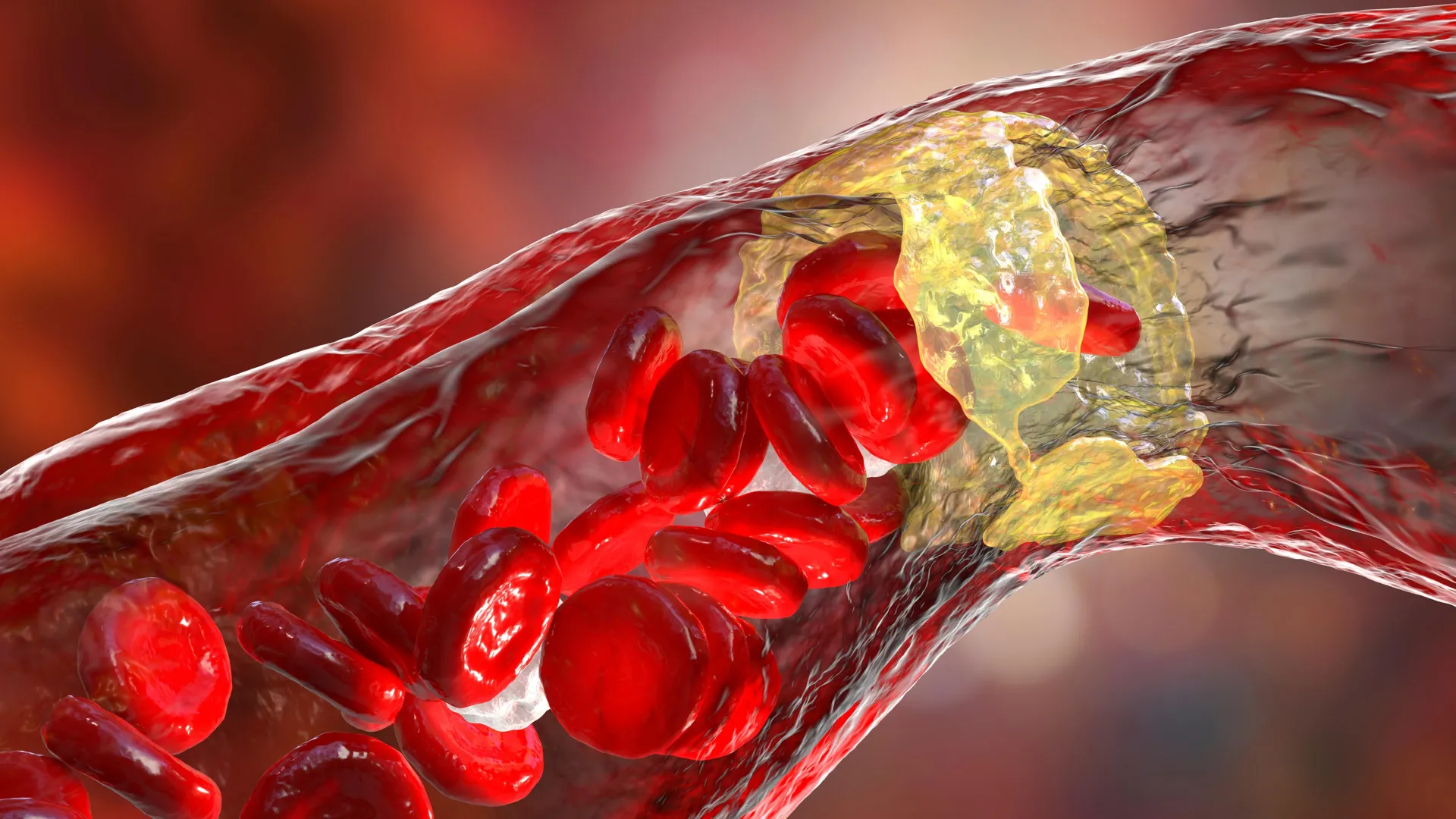
In a major shift for clinical cardiology, new research from Mass General Brigham suggests that the paradigm of treating heart disease only after it has manifested may be outdated. A subgroup analysis of the VESALIUS-CV trial, presented at the American College of Cardiology’s Annual Scientific Session & Expo and simultaneously published in JAMA, indicates that the PCSK9 inhibitor evolocumab can significantly reduce the risk of a first major cardiovascular event in high-risk patients with diabetes who have not yet developed clinical atherosclerosis.
For clinicians and patients alike, these findings represent a potential turning point in preventative medicine, suggesting that aggressive lipid management should begin years before the first plaque rupture or arterial blockage occurs.
The Evolution of Cardiovascular Prevention
For over a decade, medical guidelines have largely reserved intensive cholesterol-lowering therapies—such as PCSK9 inhibitors—for patients with established cardiovascular disease (CVD). Statins have long served as the cornerstone of preventative care, but for many high-risk patients, these standard therapies have not been sufficient to reach optimal "bad cholesterol" targets.
"For over a decade, the intensive cholesterol-lowering has been reserved for patients who already have cardiovascular disease," said Dr. Nicholas A. Marston, corresponding author and a cardiologist with the Mass General Brigham Heart and Vascular Institute. "These results demonstrate the benefit of intensive cholesterol lowering earlier and should change how we think about the prevention of heart attacks, strokes, and heart disease in patients without known significant atherosclerosis."
The Burden of Heart Disease in Diabetes
Heart disease remains the leading cause of death globally, and diabetes mellitus is a primary driver of this epidemic. Patients with diabetes often face a complex metabolic environment that accelerates the development of arterial damage. When these patients are categorized as "high risk"—based on the duration of their diabetes, insulin dependence, or evidence of microvascular damage—their likelihood of suffering a cardiovascular event increases exponentially.
Until now, the clinical focus for these patients has been reactive: monitor, prescribe standard statins, and treat acute events when they occur. The VESALIUS-CV data challenges this "wait and see" approach, providing evidence that proactive, intensive intervention can alter the trajectory of the disease before it becomes irreversible.
Chronology of the VESALIUS-CV Study
The path to these findings was paved by a rigorous, multi-year, international study design. The research was funded by Amgen Inc., the manufacturer of evolocumab, and conducted by an extensive global team of cardiologists and clinical researchers.
Trial Design and Patient Selection
The researchers focused on a specific, high-risk cohort of 3,655 patients. To qualify, participants had to have diabetes characterized as "high risk," defined by:
- A diagnosis of diabetes lasting 10 years or longer.
- A requirement for daily insulin therapy.
- The presence of diabetic microvascular complications (such as retinopathy or nephropathy).
Critically, none of the participants had evidence of significant atherosclerosis, meaning they had not yet suffered the hallmark arterial plaque buildup that leads to clinical heart disease.
The Intervention Protocol
Participants were randomized to receive either subcutaneous injections of evolocumab—administered every two weeks—or a matching placebo. Crucially, this was an "add-on" trial; all participants continued to receive standard-of-care treatments, including statins and, where applicable, ezetimibe, to ensure that the study measured the additional benefit of PCSK9 inhibition over existing therapies.
Monitoring and Follow-Up
The study tracked participants for nearly five years. During this period, investigators monitored for major adverse cardiovascular events (MACE), including coronary heart disease death, non-fatal myocardial infarction (heart attack), and ischemic stroke. The primary outcome was a reduction in the incidence of these events among those receiving evolocumab compared to the placebo group.
Supporting Data: Impact on Lipid Profiles and Risk
The clinical efficacy of evolocumab in this trial was underscored by two primary metrics: the drastic reduction in low-density lipoprotein cholesterol (LDL-C) and the subsequent decrease in cardiovascular event rates.
Dramatic Reductions in "Bad Cholesterol"
PCSK9 inhibitors work by blocking a protein that prevents the liver from clearing LDL-C from the blood. In this study, the impact was profound. After 48 weeks, the median LDL-C levels in the evolocumab group were approximately 51% lower than those in the placebo group. Specifically, the evolocumab group maintained a median LDL-C of 52 mg/dL, while the placebo group averaged 111 mg/dL.
This sustained suppression of LDL-C is critical, as it addresses the underlying metabolic driver of atherosclerotic progression.
Clinical Outcomes: A 31% Risk Reduction
The most significant finding of the study was the clinical benefit observed over the five-year follow-up period. Patients receiving evolocumab experienced a 31% lower risk of their first major cardiovascular event.
When analyzed by raw numbers, the benefits were clear:
- Evolocumab group: 5% of patients experienced a primary cardiovascular event.
- Placebo group: 7.1% of patients experienced a primary cardiovascular event.
While a 2.1% absolute difference may seem modest to the layperson, in the context of large-scale clinical trials and cardiovascular prevention, this represents a statistically significant and clinically meaningful reduction in life-threatening events.
Safety Profile and Tolerability
A frequent concern with introducing potent cholesterol-lowering agents earlier in a patient’s treatment lifecycle is the potential for side effects. However, the data from the VESALIUS-CV subgroup analysis provided reassurance.
Serious adverse events were reported at similar rates in both the evolocumab and placebo groups. The researchers noted that the treatment was generally well-tolerated, suggesting that the long-term use of injectable PCSK9 inhibitors is a viable strategy for high-risk populations who require aggressive lipid management without the burden of severe or unmanageable side effects.
Official Responses and Clinical Implications
The implications of these findings extend far beyond the laboratory. By demonstrating that intensive lipid-lowering therapy can prevent the first cardiovascular event in high-risk patients, the study potentially opens the door to updated clinical guidelines that may advocate for earlier, more aggressive pharmacological intervention.
A Paradigm Shift in Preventive Care
Dr. Marston and his colleagues believe that the medical community must re-evaluate the threshold for when to introduce advanced therapies. If a patient is identified as being at high risk for diabetes-related complications, waiting for their cholesterol to reach a certain level or for atherosclerosis to manifest may be a missed opportunity for prevention.
Future Research Directions
While the results are promising, the research team emphasizes that this is only the beginning. The study’s authors have noted that additional research will be necessary to determine whether these benefits apply to other high-risk demographics who have not yet developed established atherosclerosis. Further studies could potentially identify specific biomarkers or genetic predispositions that would allow clinicians to "prescribe" this aggressive approach with even greater precision.
Authorship, Funding, and Disclosures
The research, which was supported by Amgen Inc., involved a robust international collaboration. The primary study group, including members from the TIMI Study Group at Brigham and Women’s Hospital, provided the clinical oversight necessary to maintain the study’s integrity.
Collaborating Authors:
In addition to Dr. Marston, the study involved an extensive list of researchers including Erin A. Bohula, Jeong-Gun Park, Sabina A. Murphy, Ron Blankstein, Robert P. Giugliano, and Marc S. Sabatine, among many other international experts.
Transparency and Conflict of Interest:
The study authors disclosed extensive ties to the pharmaceutical industry. Many of the researchers, including Dr. Marston, serve as members of the TIMI Study Group, which receives grant support from Amgen and other pharmaceutical companies. Several authors reported personal fees or honoraria from Amgen. Additionally, several listed authors are current employees and stockholders of Amgen, reflecting the heavy investment by the industry in understanding the full scope of PCSK9 inhibition.
Conclusion
The findings from the VESALIUS-CV trial serve as a compelling argument for the "earlier is better" approach to cardiovascular health in patients with high-risk diabetes. By successfully lowering LDL-C and preventing the onset of major cardiovascular events before arterial disease is clinically established, evolocumab has demonstrated that it is more than just a treatment for the sick—it is a powerful tool for the protection of the vulnerable.
As the medical field continues to refine its approach to chronic disease management, the integration of these findings into clinical practice could potentially save thousands of lives, proving that the most effective way to treat heart disease is to prevent it from ever starting.